Wellness Library › Food as Medicine
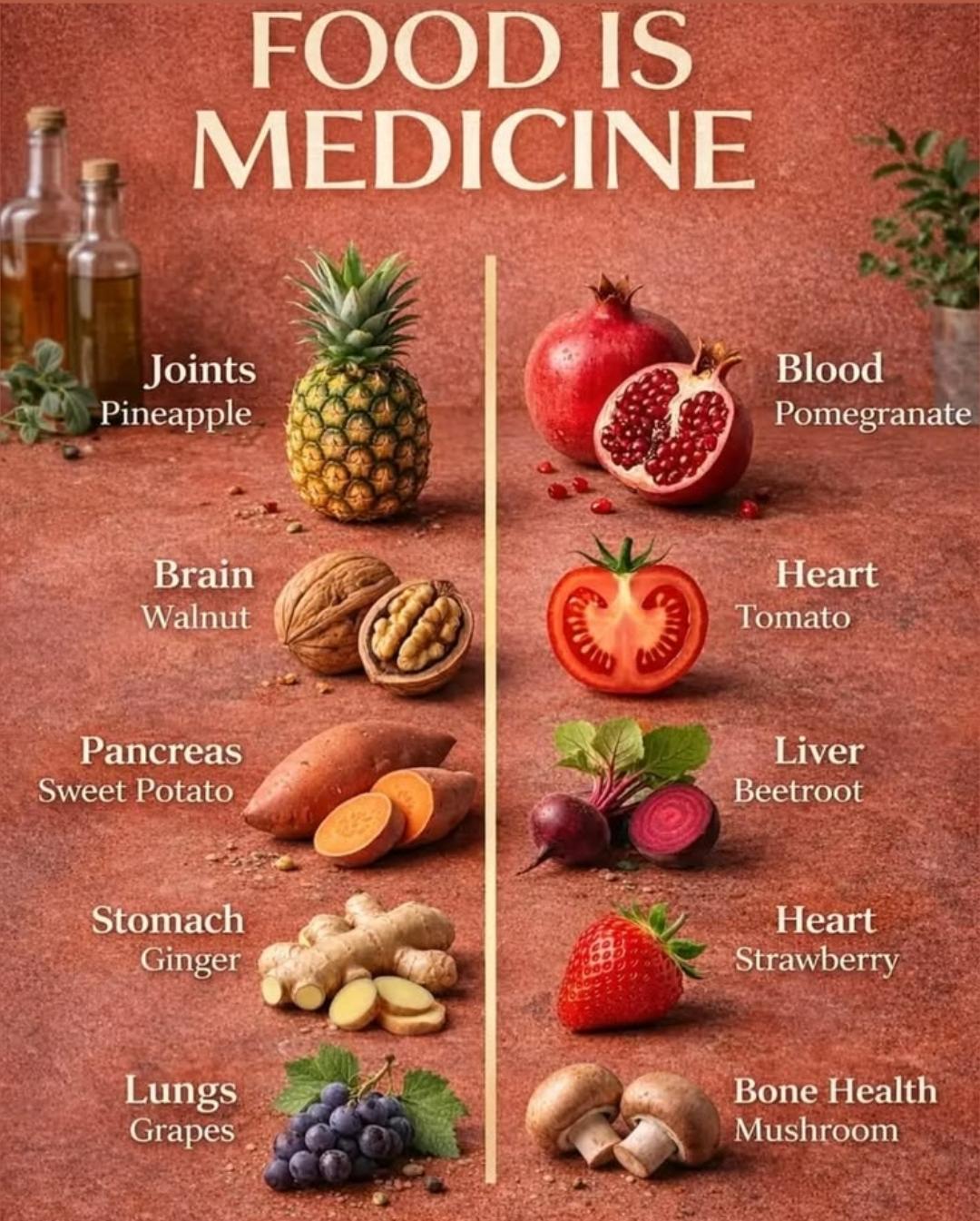
Every organ has foods it responds to. Not as a cure, not as a replacement for medical care — but as a daily, gentle form of support that's been used for thousands of years and is now backed by modern nutritional science.
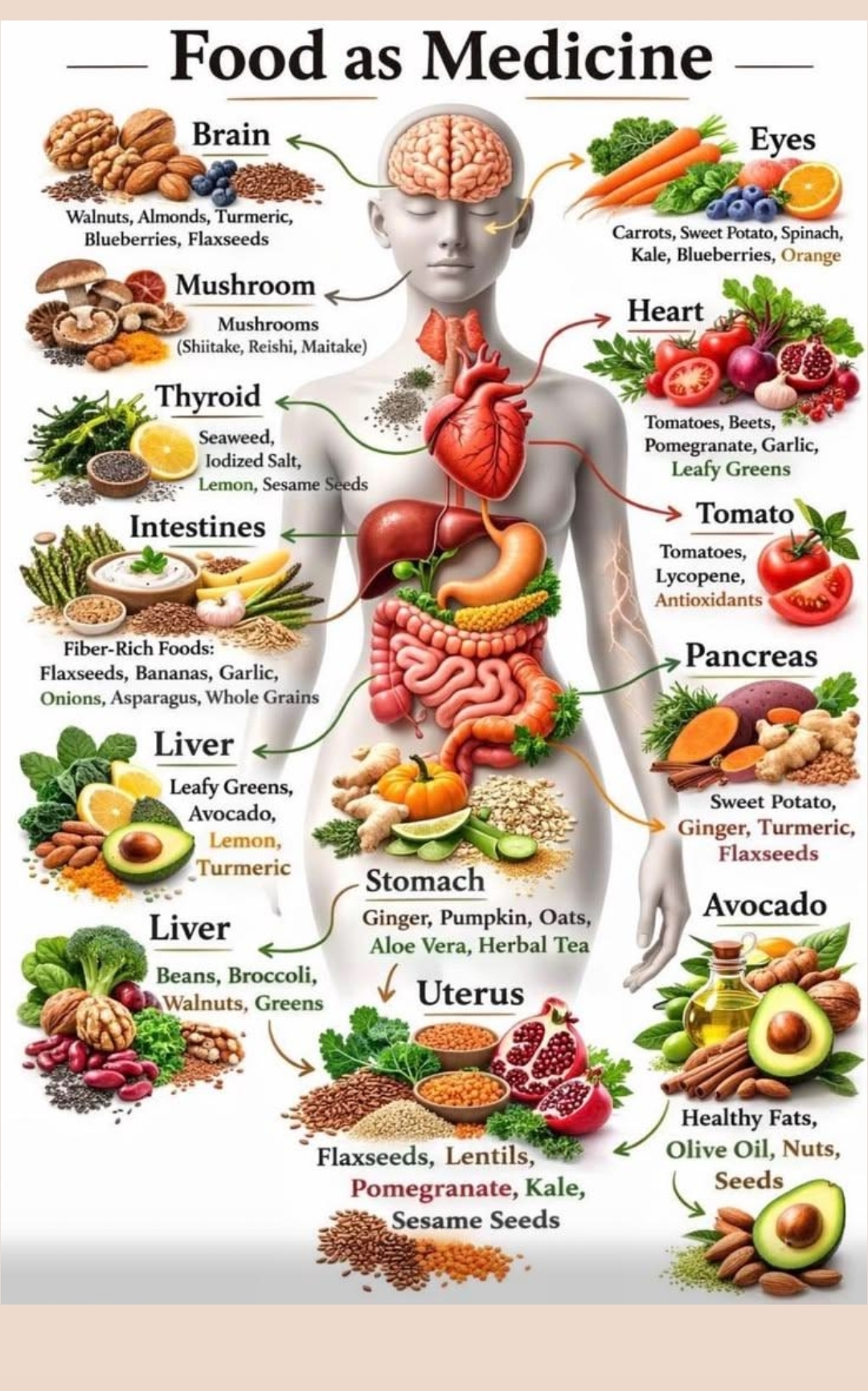
"The food you eat can be either the safest and most powerful form of medicine, or the slowest form of poison." Each organ has its own nutritional allies.

"When diet is wrong, medicine is of no use. When diet is correct, medicine is of no need." — Ayurvedic Proverb

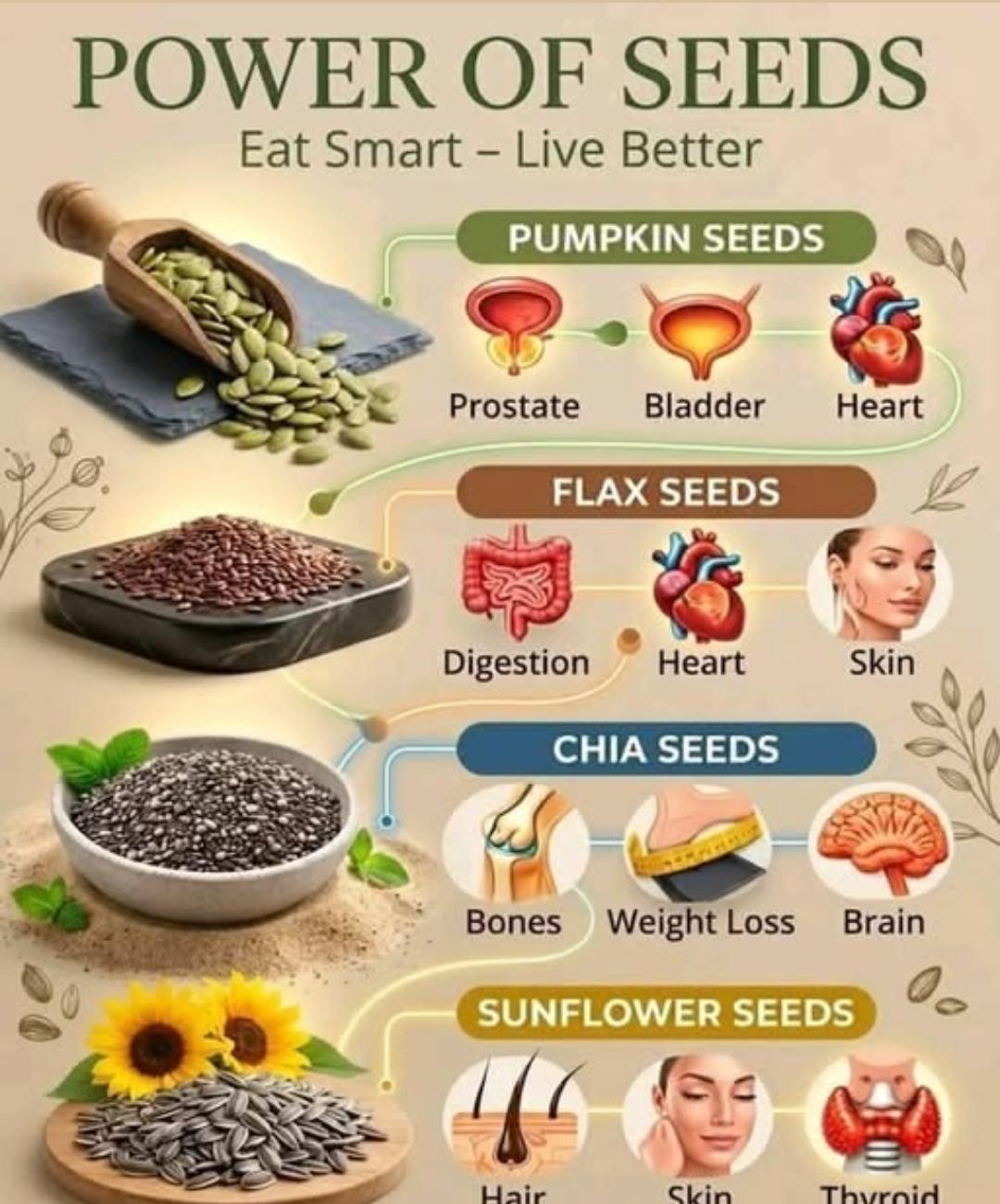
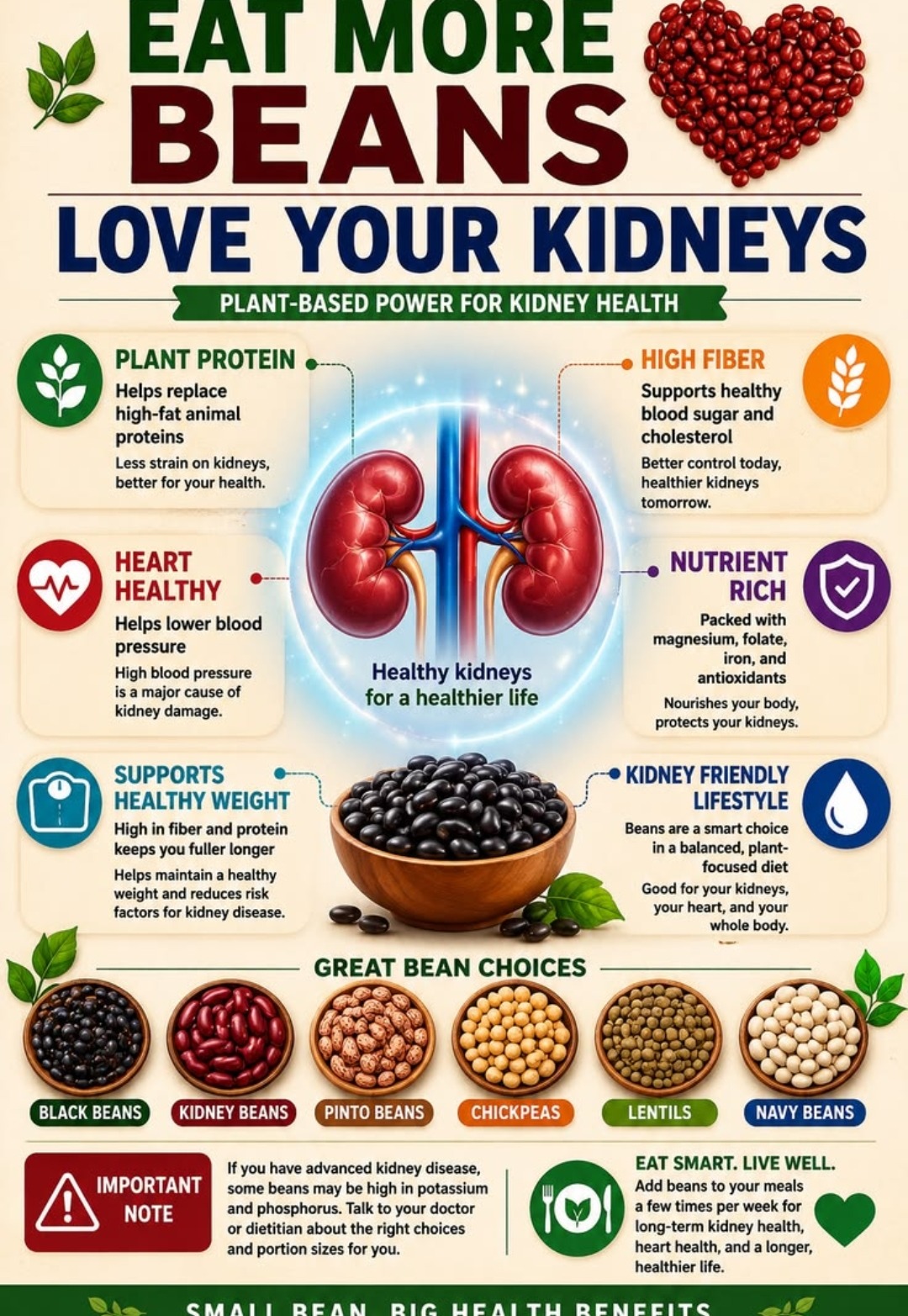
Four small seeds, four very different jobs — eaten consistently rather than occasionally.
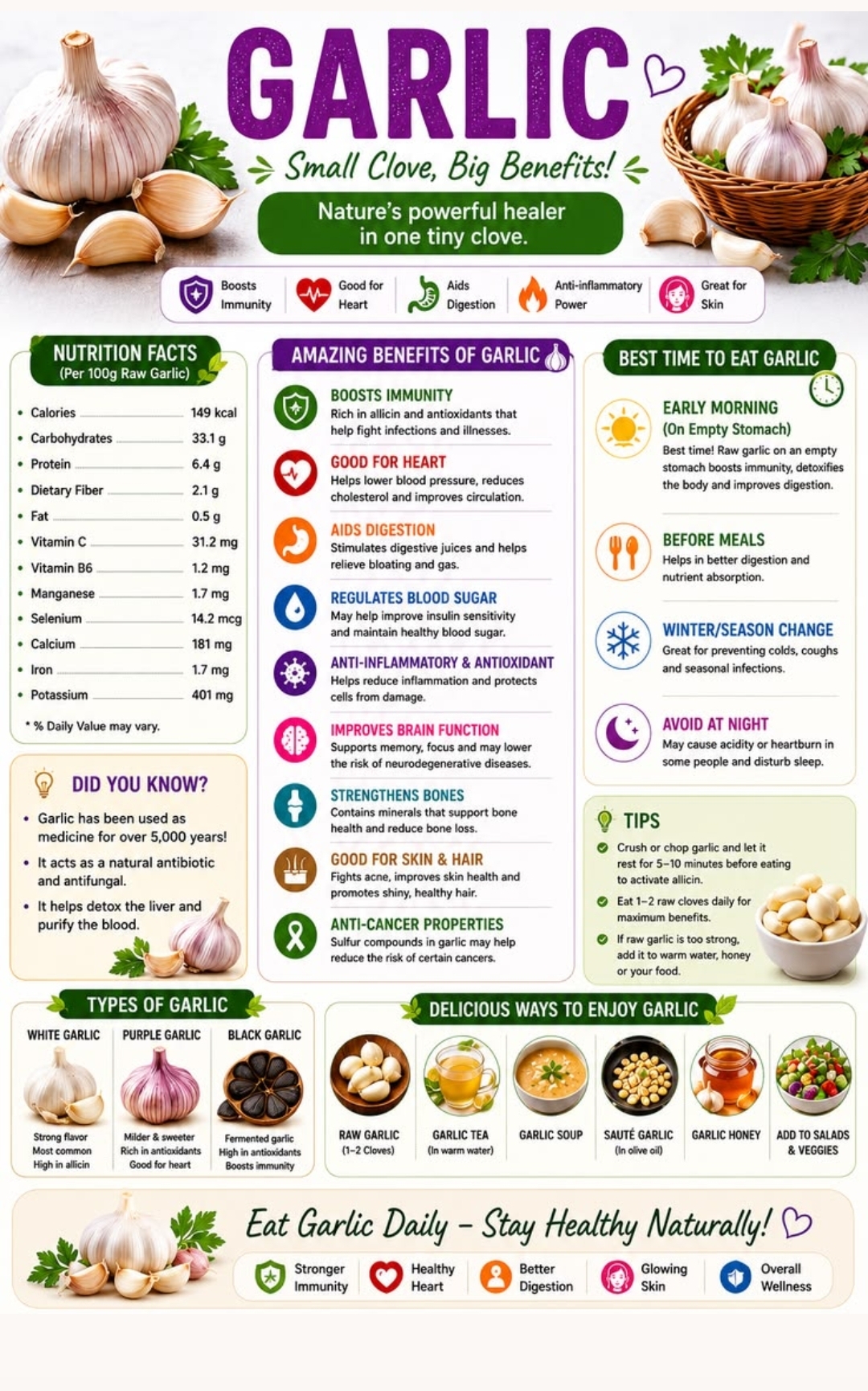
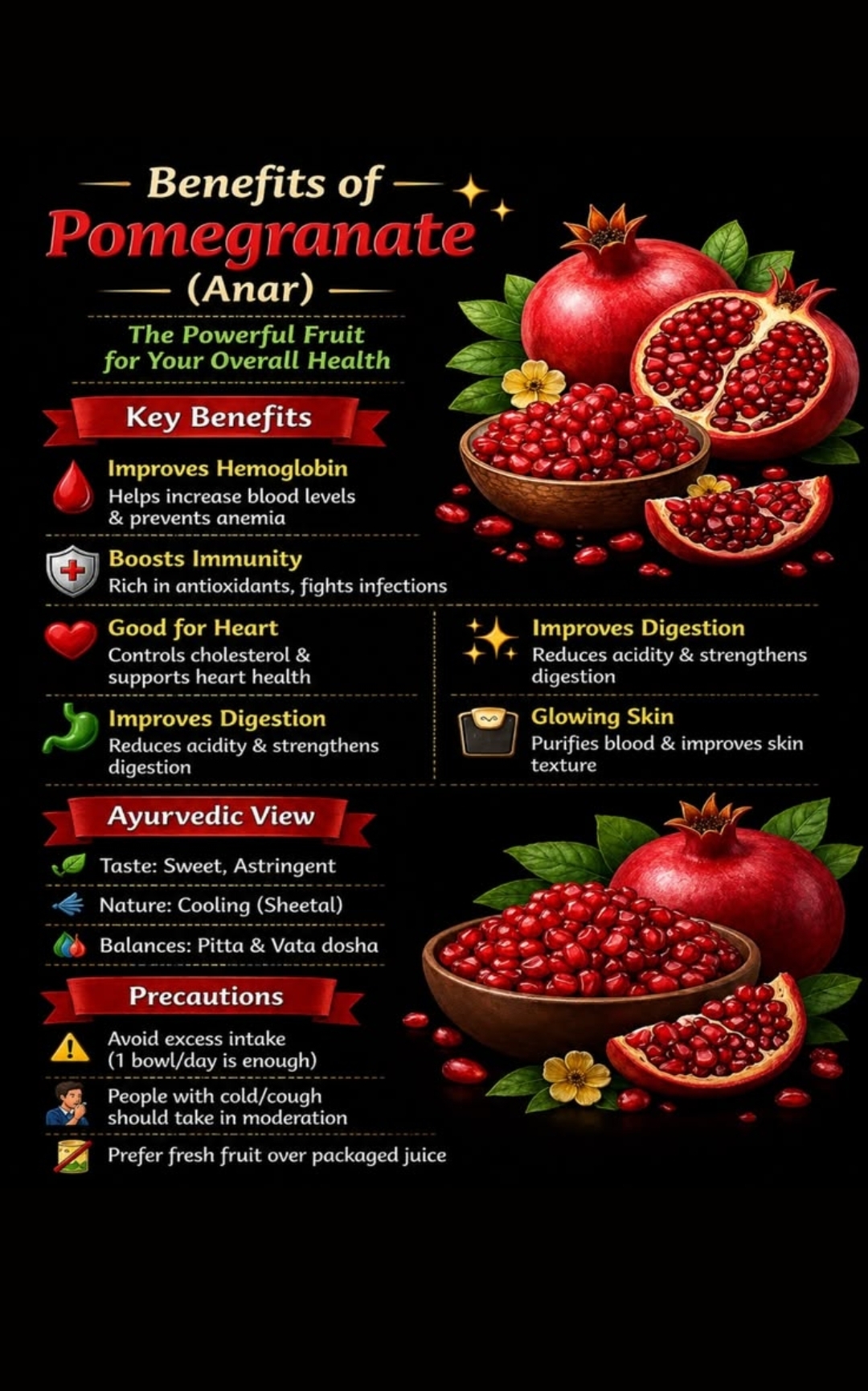
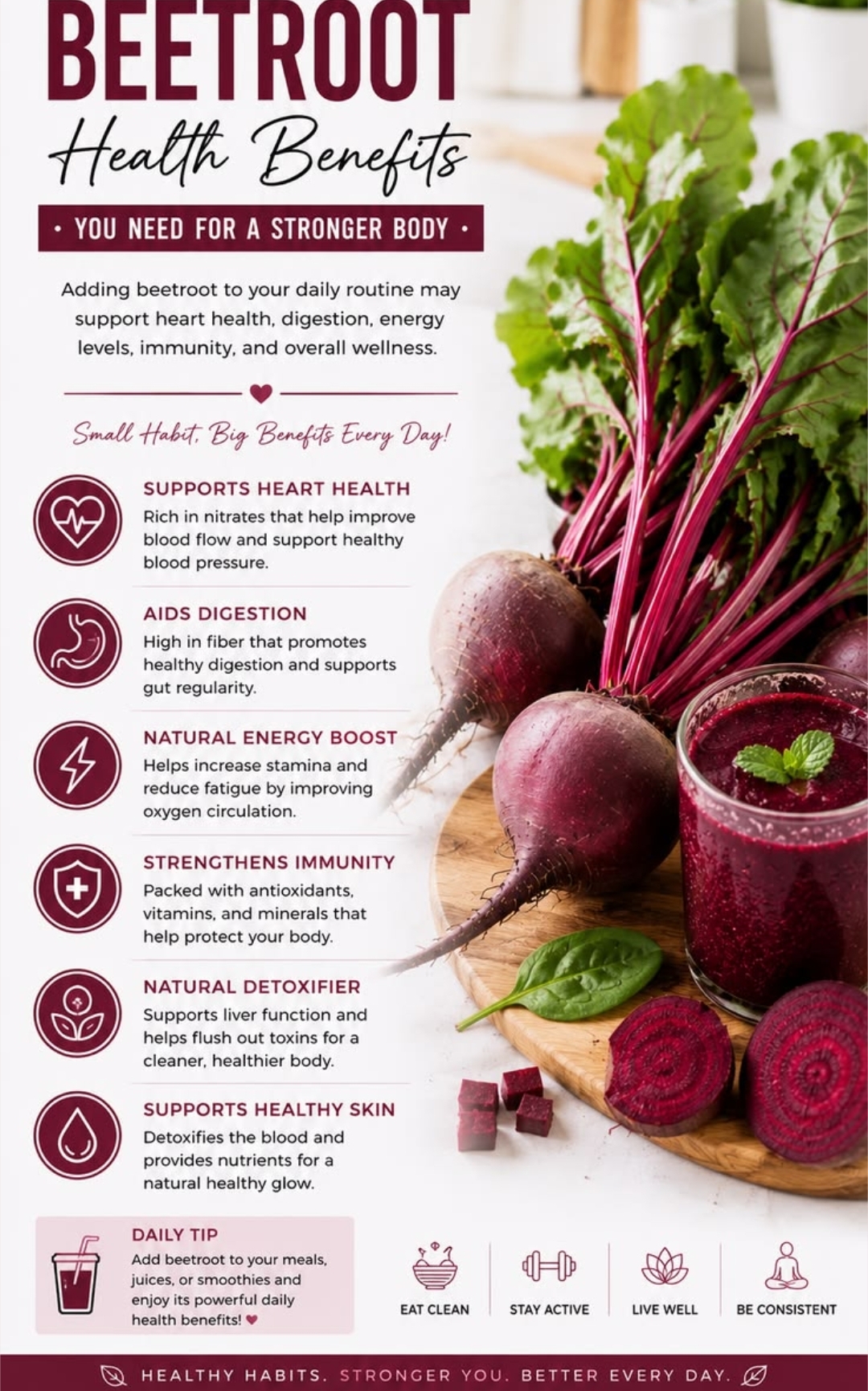
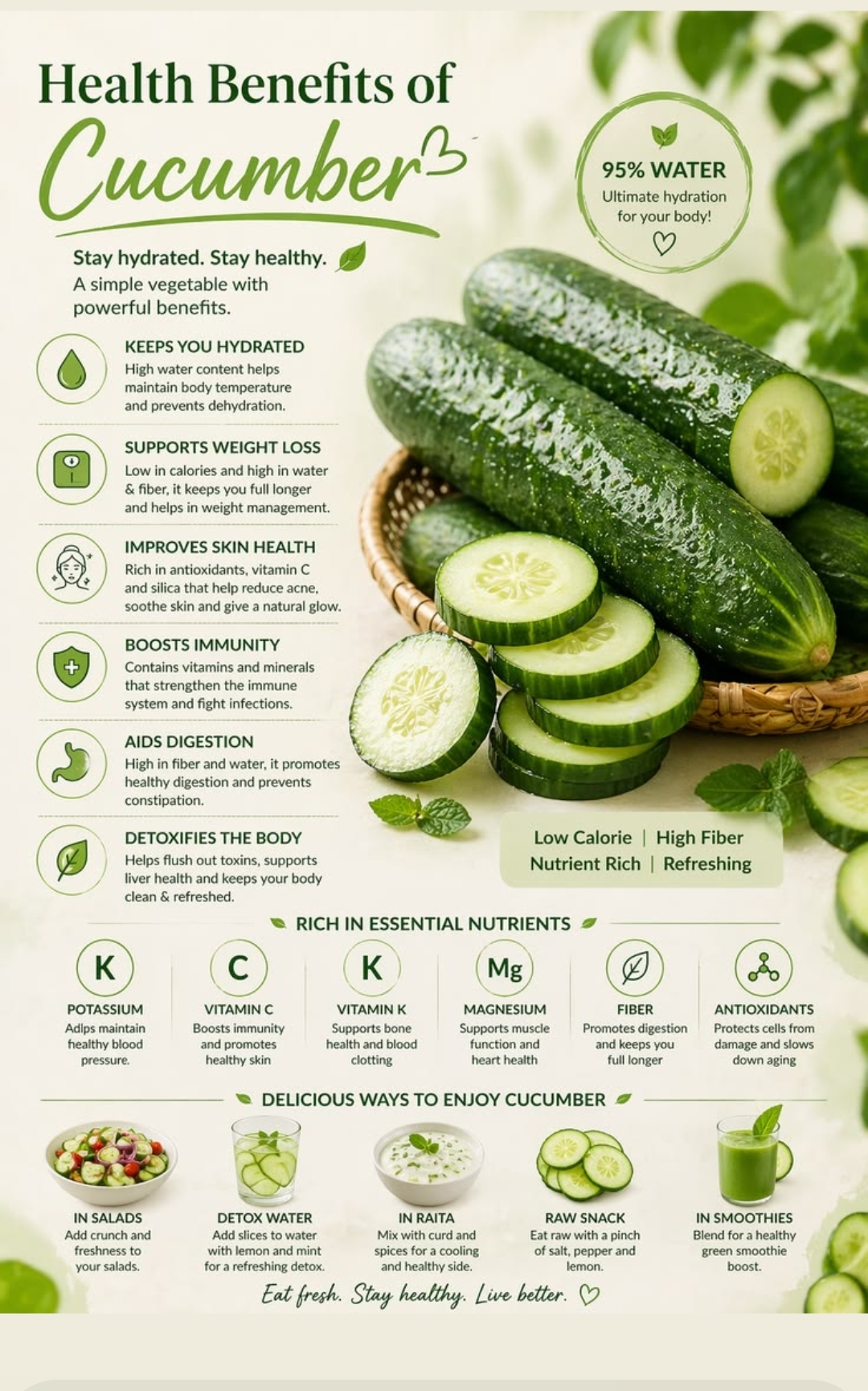
Garlic, ginger, dates, pomegranate, beetroot and cucumber — none of them exotic, none of them expensive. Just consistent, well-documented healing sitting in the average kitchen.

Used as medicine for over 5,000 years — a natural antibiotic and antifungal that helps detox the liver and purify the blood.

Gingerol compounds are the active force behind most of ginger's benefits — antioxidant, anti-inflammatory and traditionally used to soothe nausea and an upset stomach.

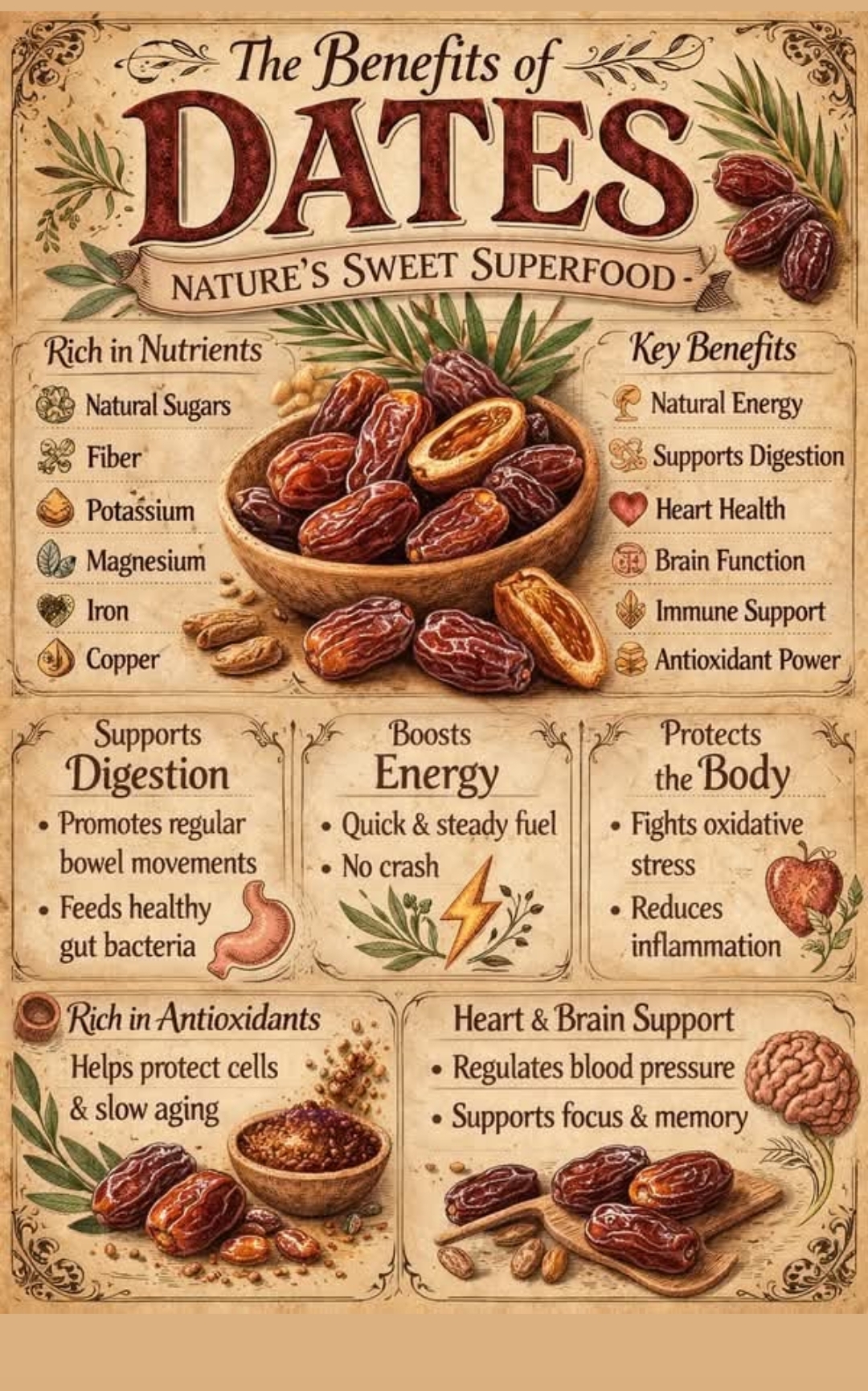
Rich in natural sugars, fibre, potassium, magnesium, iron and copper — quick, steady fuel with no crash afterward.

In Ayurveda: sweet and astringent in taste, cooling in nature, balancing both Pitta and Vata dosha.

Rich in nitrates that help improve blood flow and support healthy blood pressure — one of the simplest daily upgrades available.

A simple vegetable with powerful benefits — low calorie, high fibre, nutrient rich and endlessly refreshing.
No exotic superfoods, no powders, no supplements — just the fruit and dairy already sitting in most kitchens, each one doing real, documented work for your body.

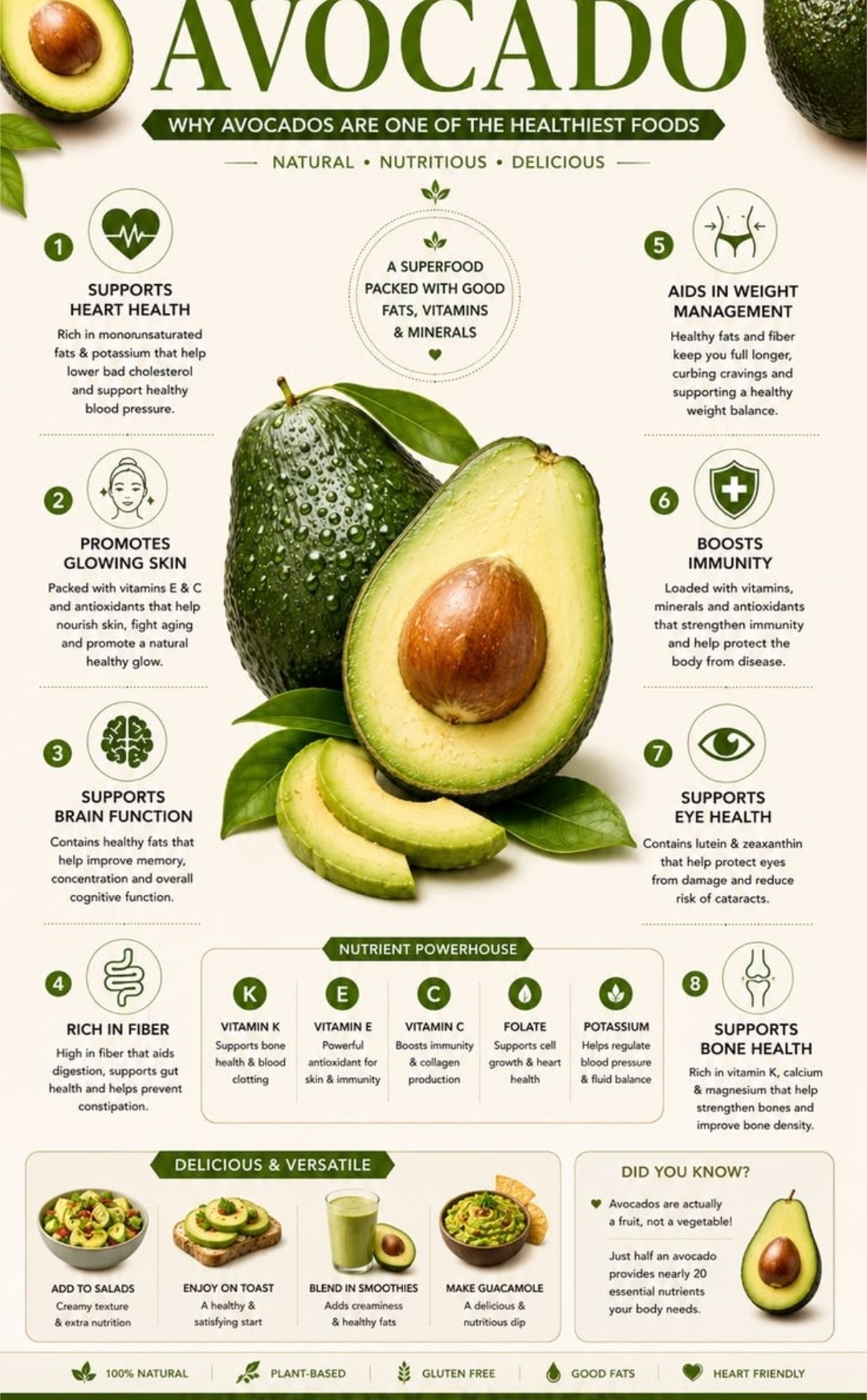
A genuine nutrient powerhouse — monounsaturated fats, vitamins K, E and C, folate and potassium, all in one fruit.

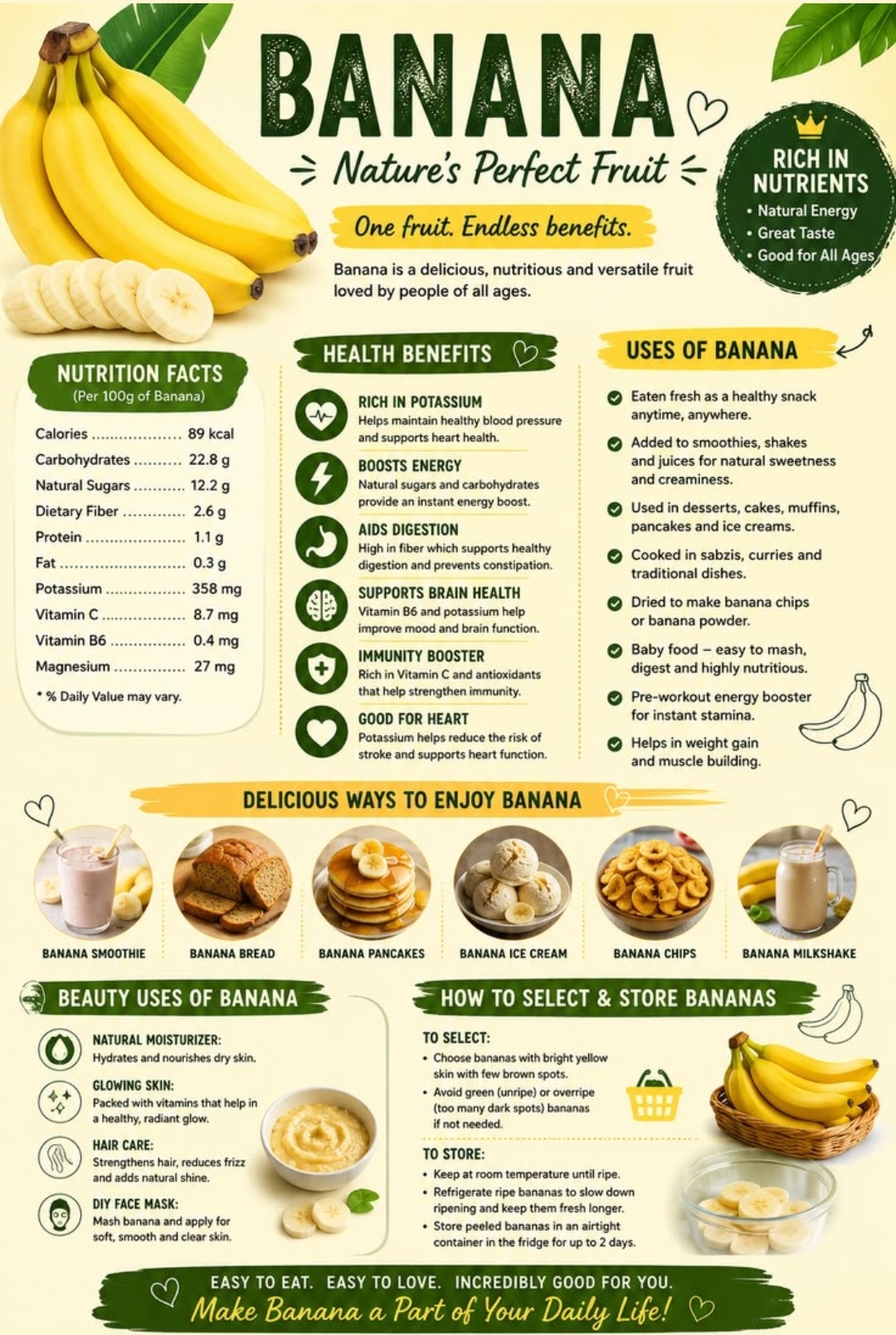
358mg of potassium per 100g — among the most reliable, portable energy sources nature makes.

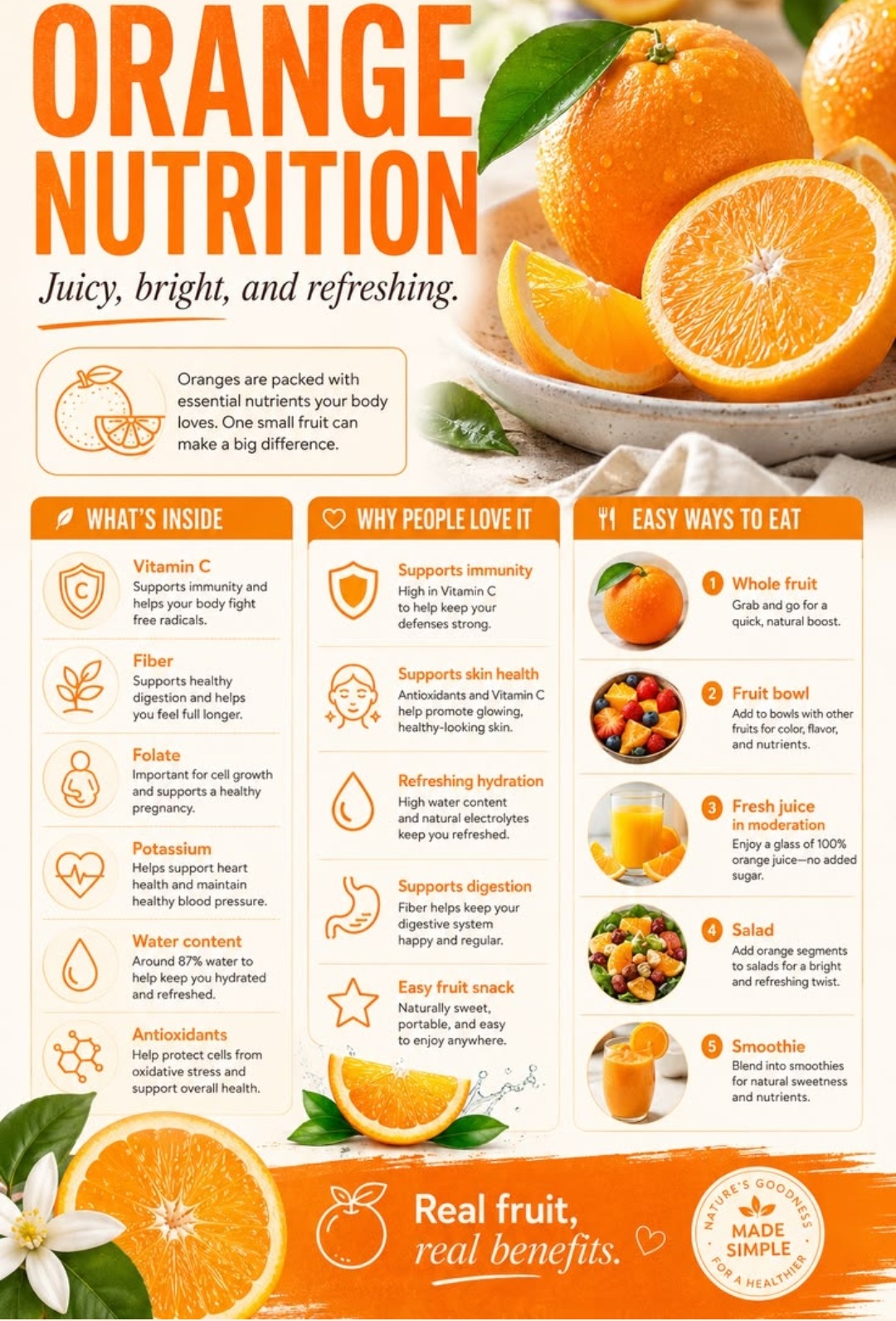
87% water with a genuine immunity boost built in — one of the easiest fruits to make a daily habit.

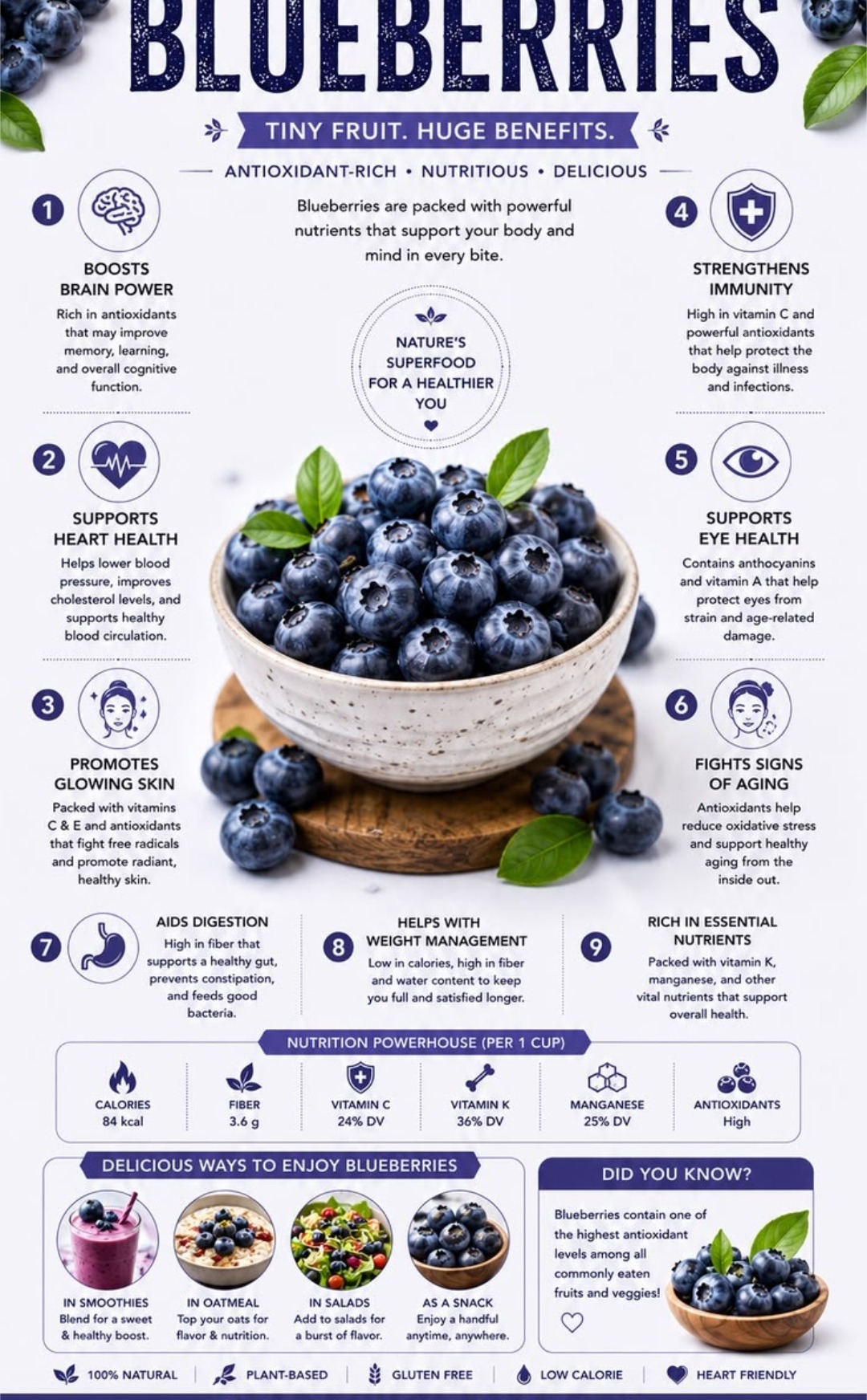
One of the highest antioxidant levels among all commonly eaten fruits — at just 84 kcal per cup.

Low in calories and high in nutrients — built for hydration, energy and overall well-being.

Beta-carotene converted to vitamin A, complex carbs for steady energy, and the comfort of a food that actually works for you.

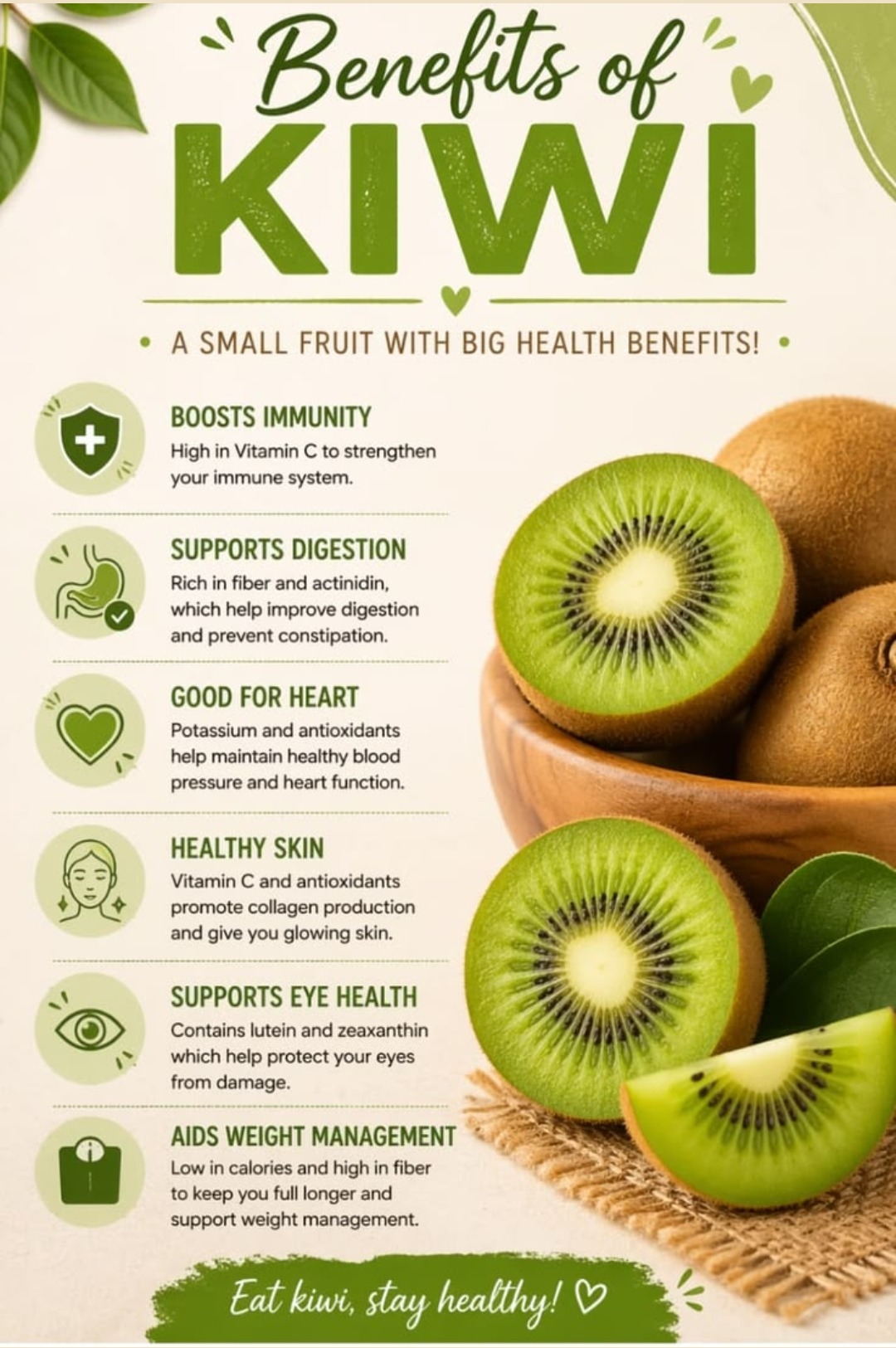
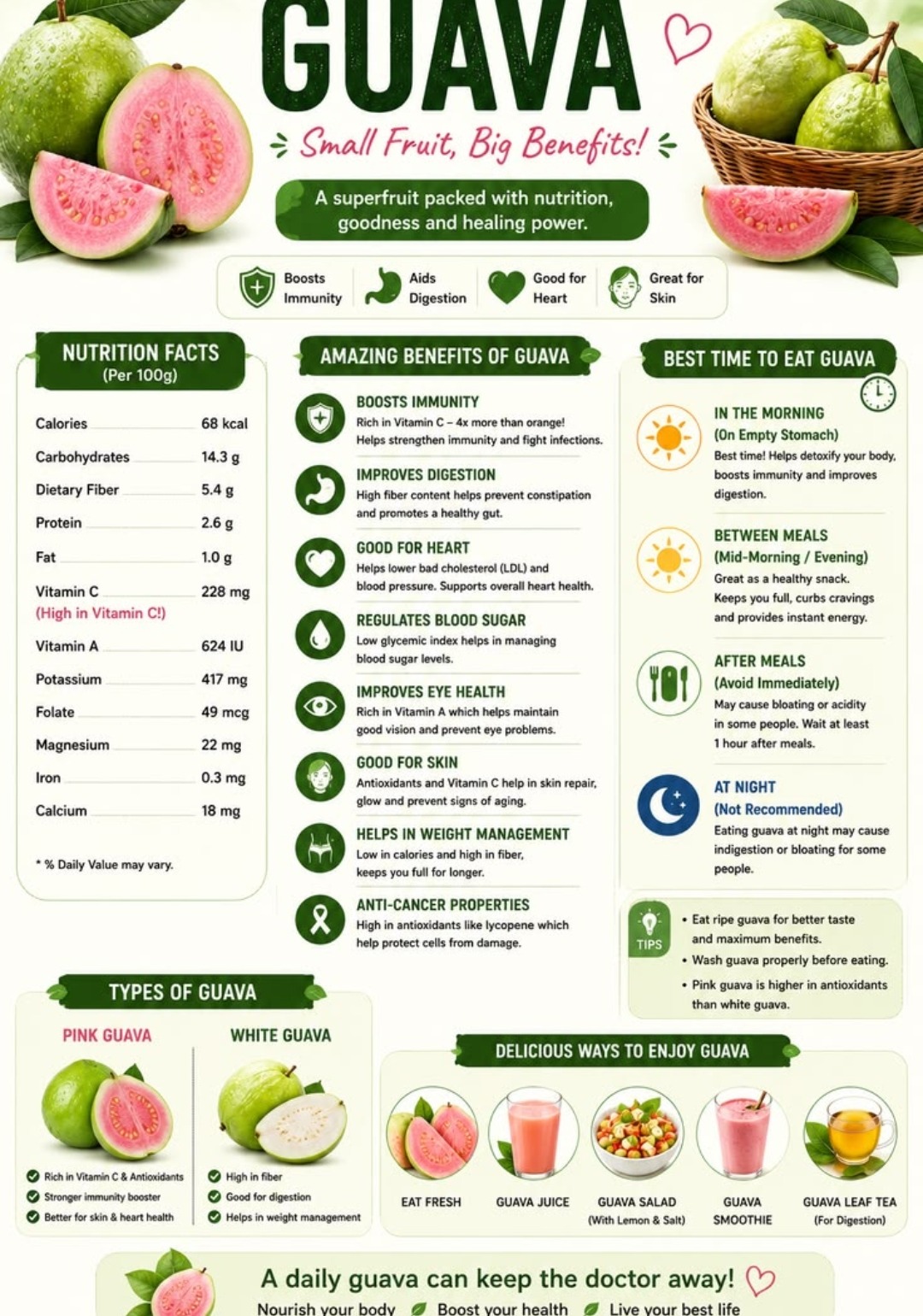
High in vitamin C, fibre and actinidin — a small fruit that punches well above its size.

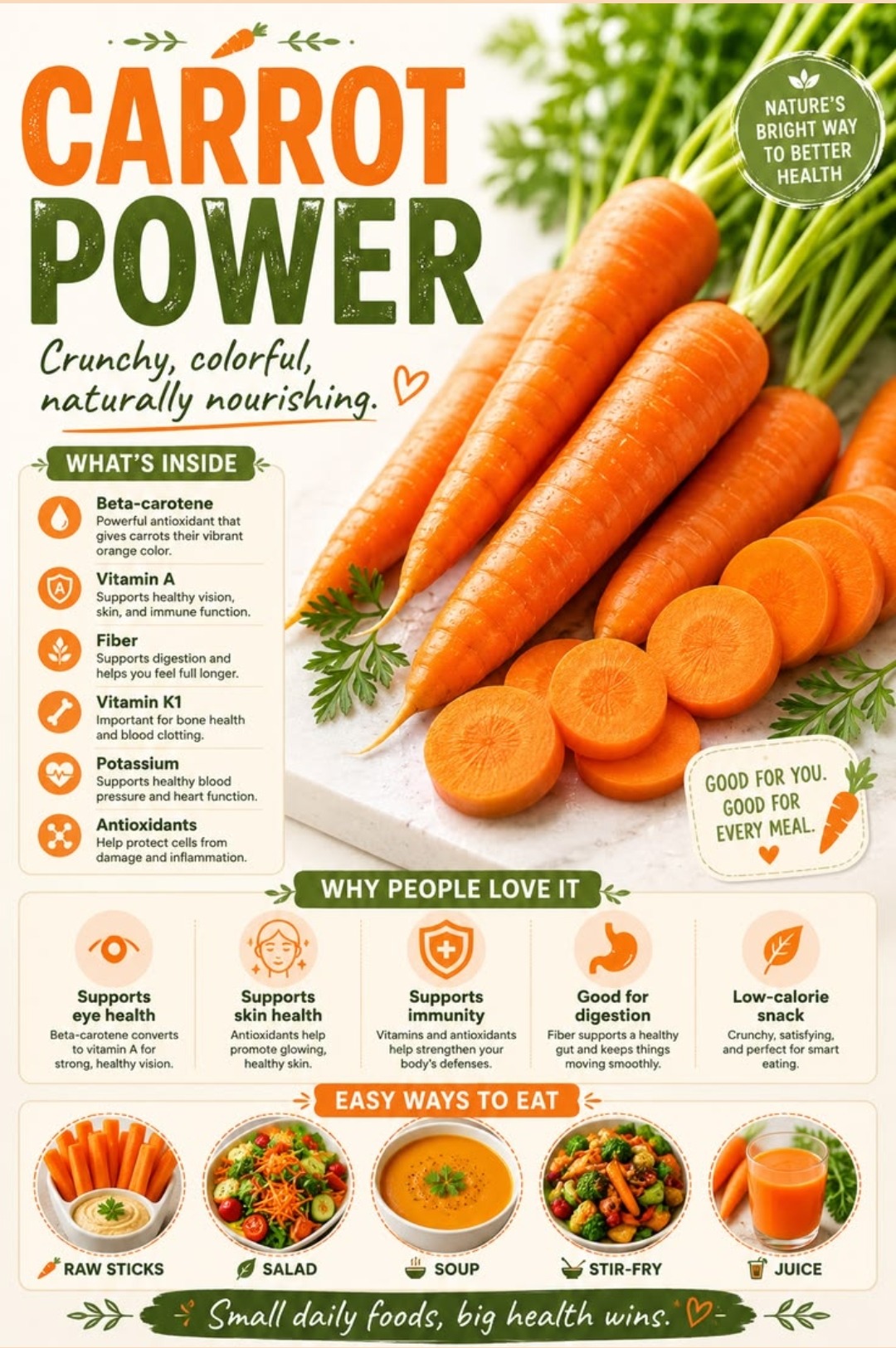
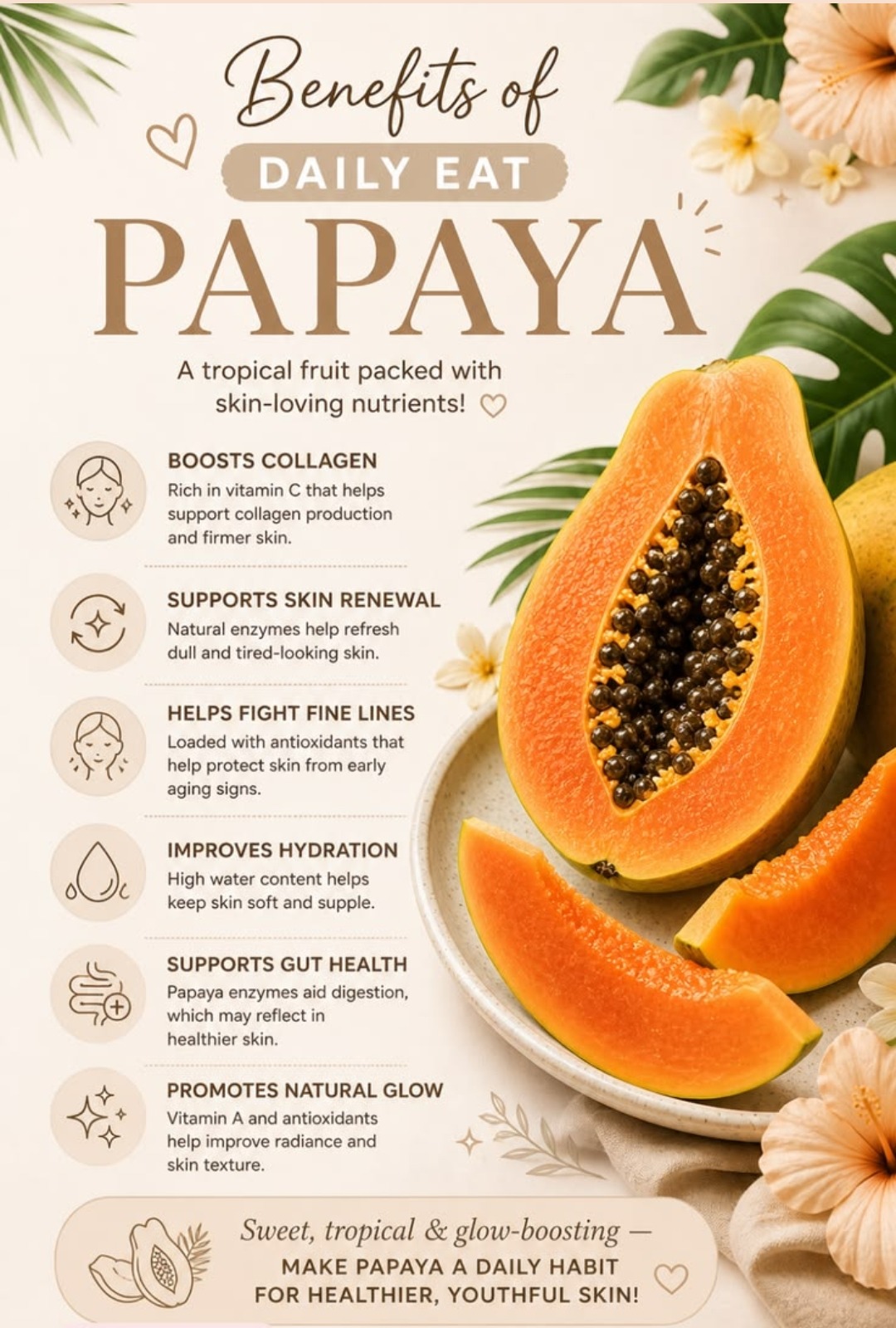
Beta-carotene, vitamin A, vitamin K1 and potassium — the vibrant orange colour is doing real work.

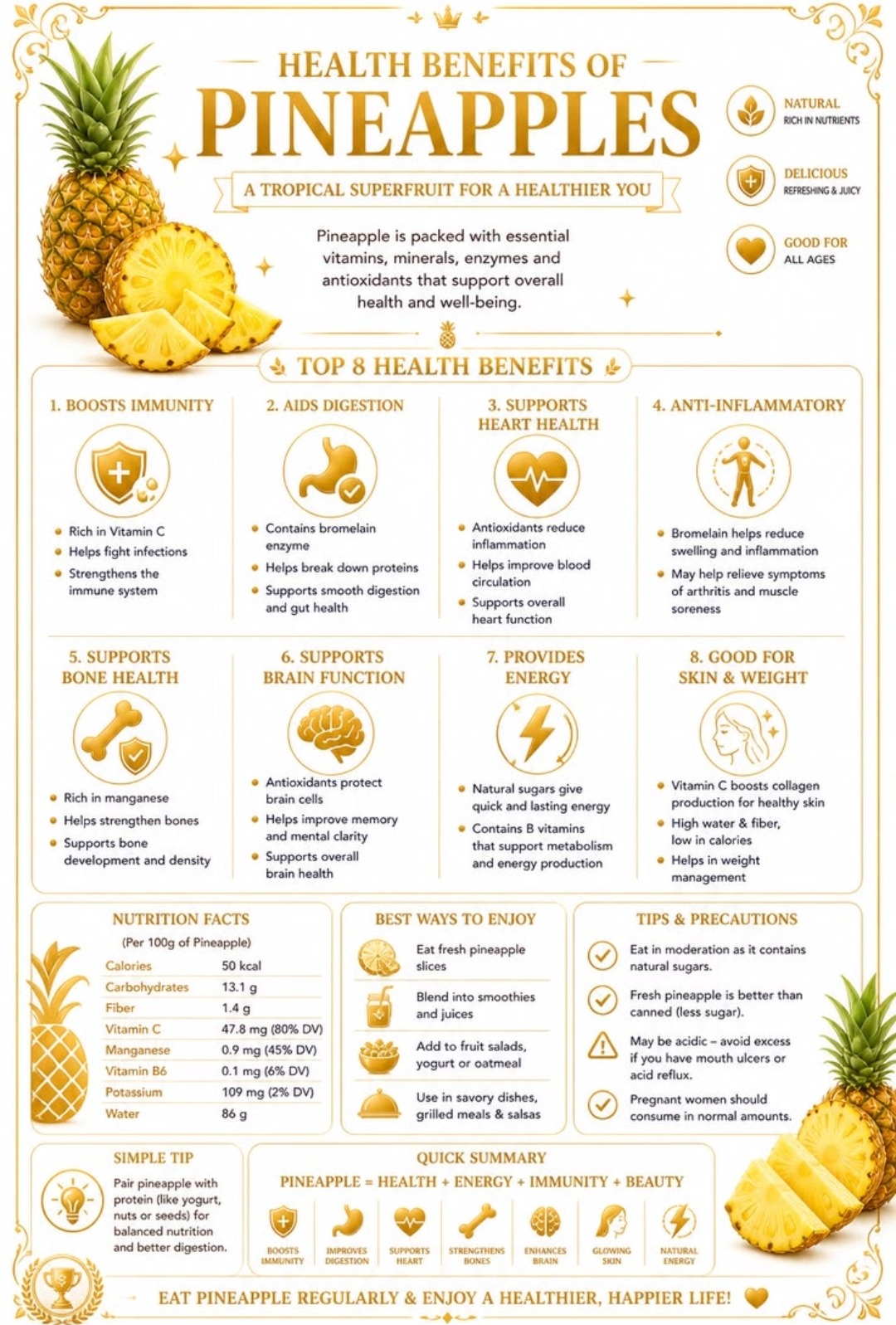
80% of your daily vitamin C in a single 100g serving, plus bromelain — a digestive enzyme found almost nowhere else.

Protein, calcium and live probiotics in one simple, everyday food — good for gut health inside and out.
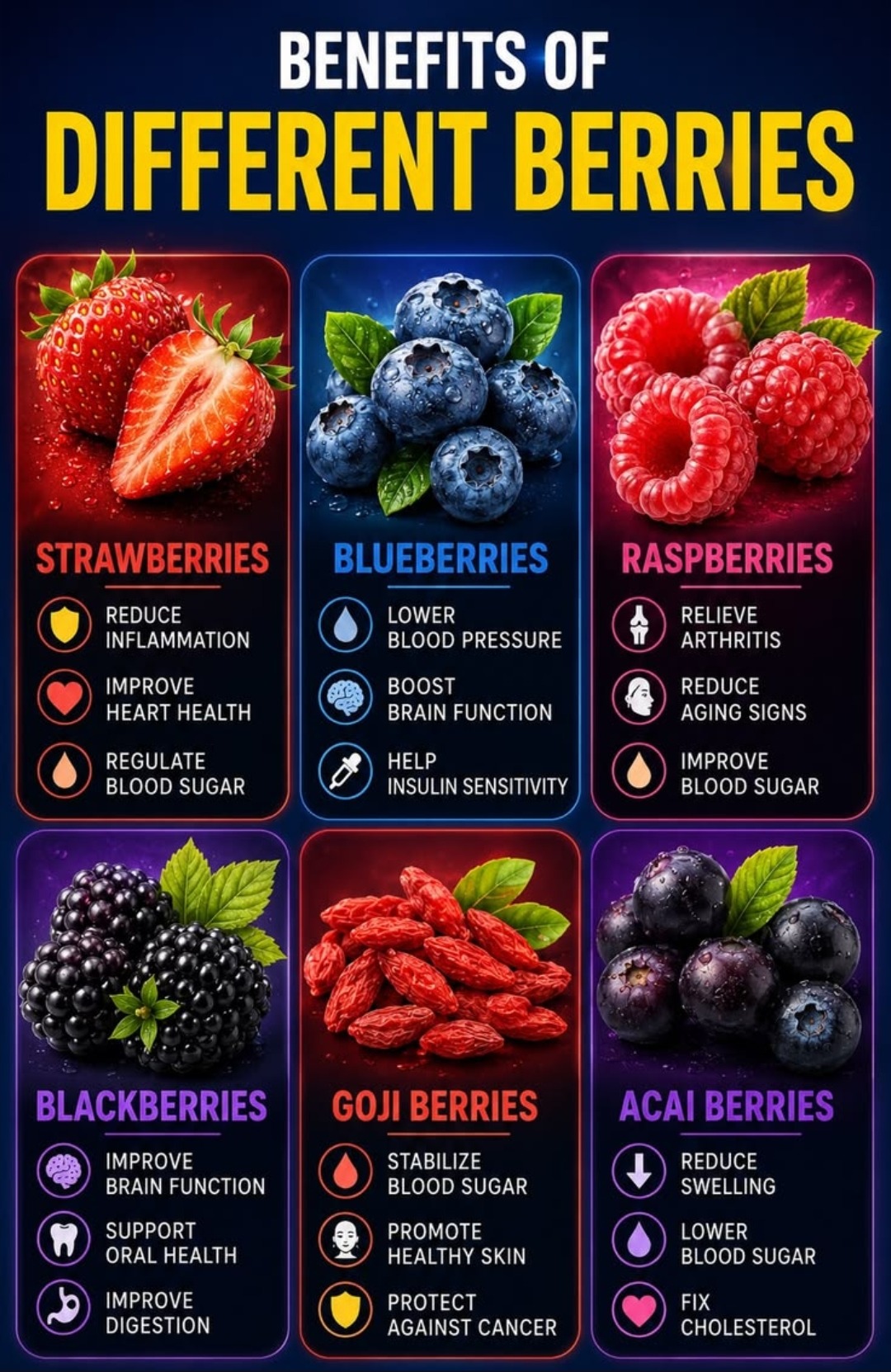
Strawberries, blueberries, raspberries, blackberries, goji and acai — each one specialises in something slightly different.
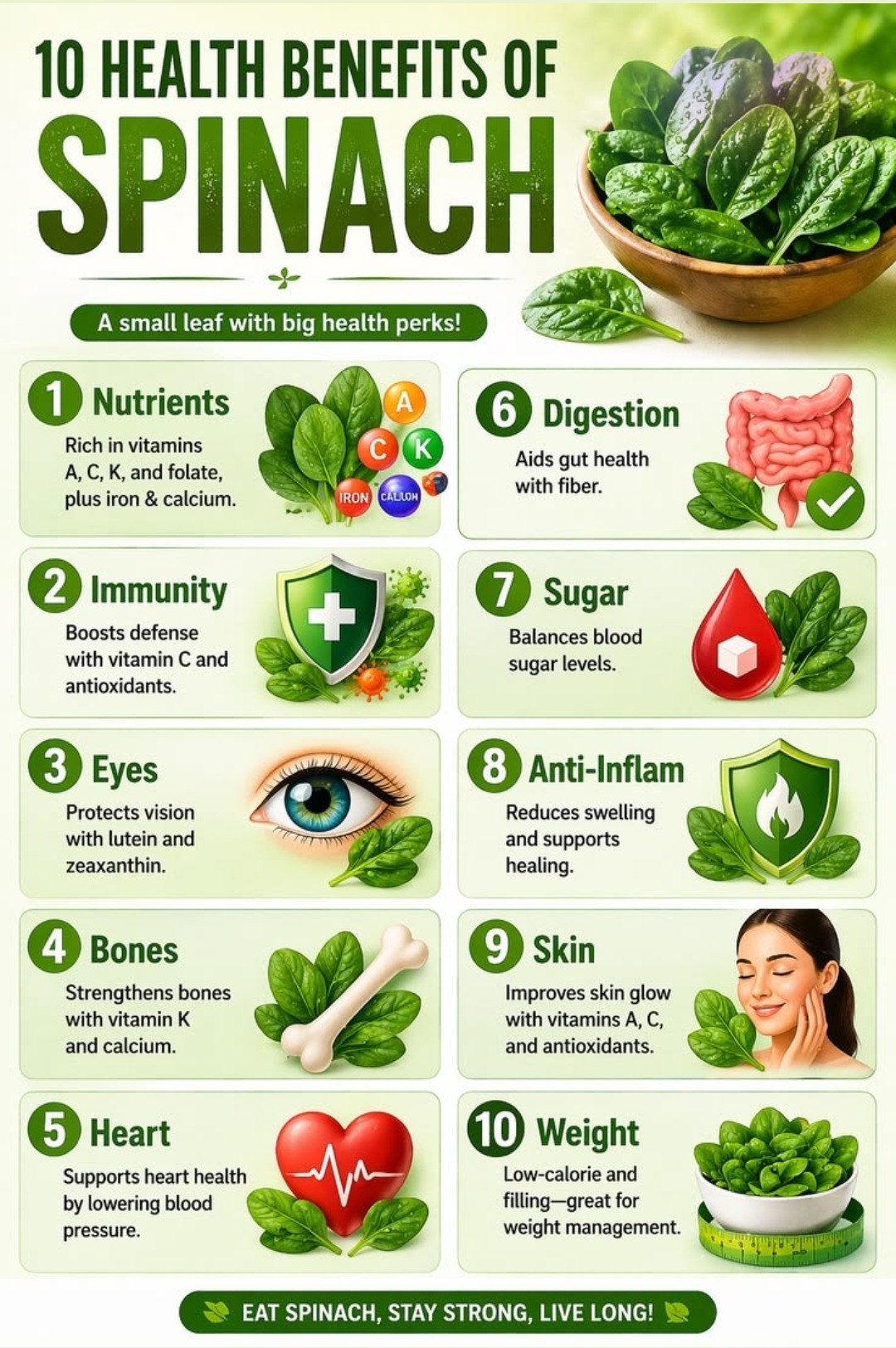
Rich in vitamins A, C, K and folate, plus iron and calcium — a single leafy green doing the work of several supplements.
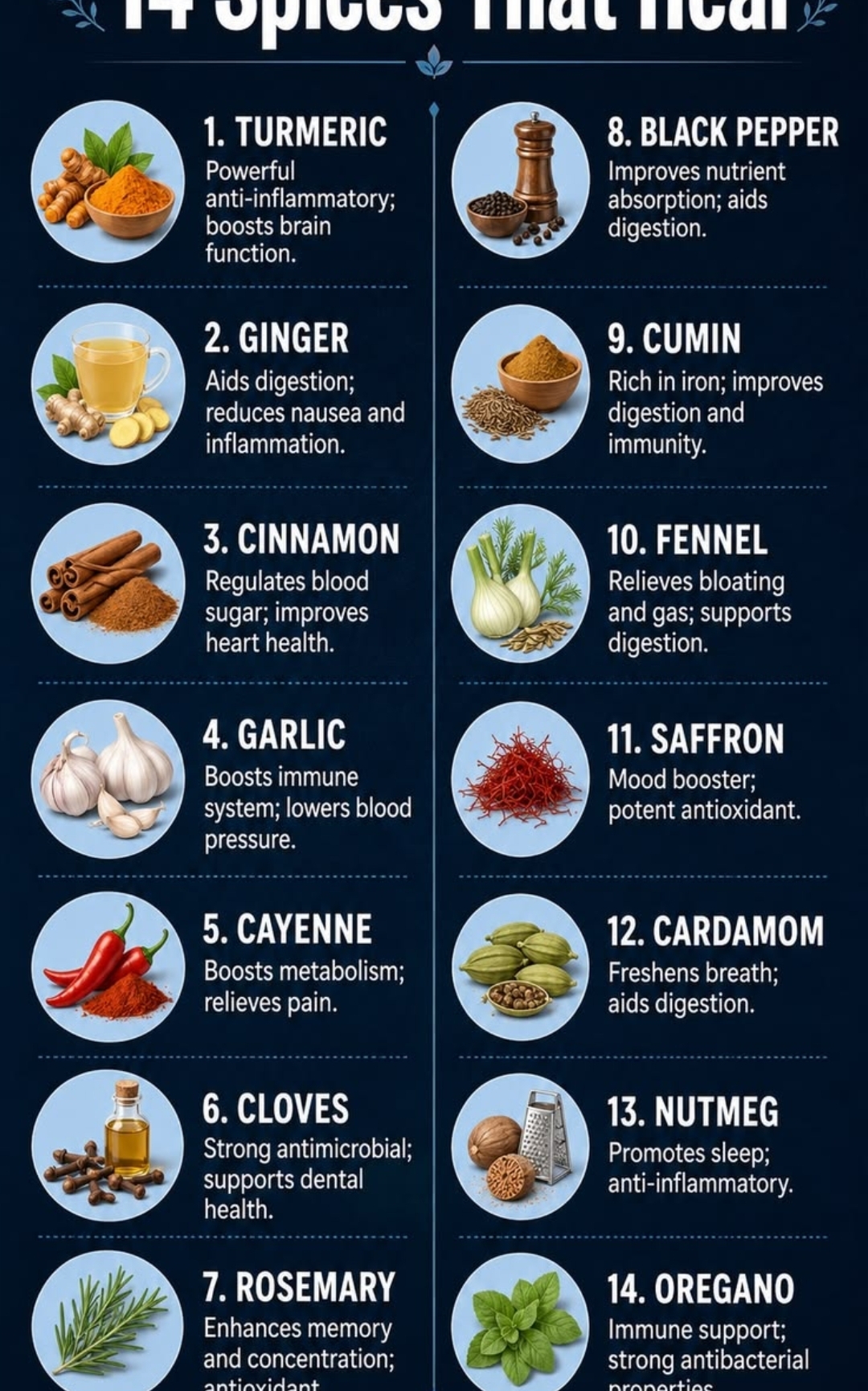
Far beyond flavour — turmeric, cinnamon, black pepper and the spices already sitting in most kitchens, each with a specific, well-documented role to play.

Each spice here is reached for a specific reason, not just flavour — turmeric for inflammation, cinnamon for blood sugar, saffron for mood.

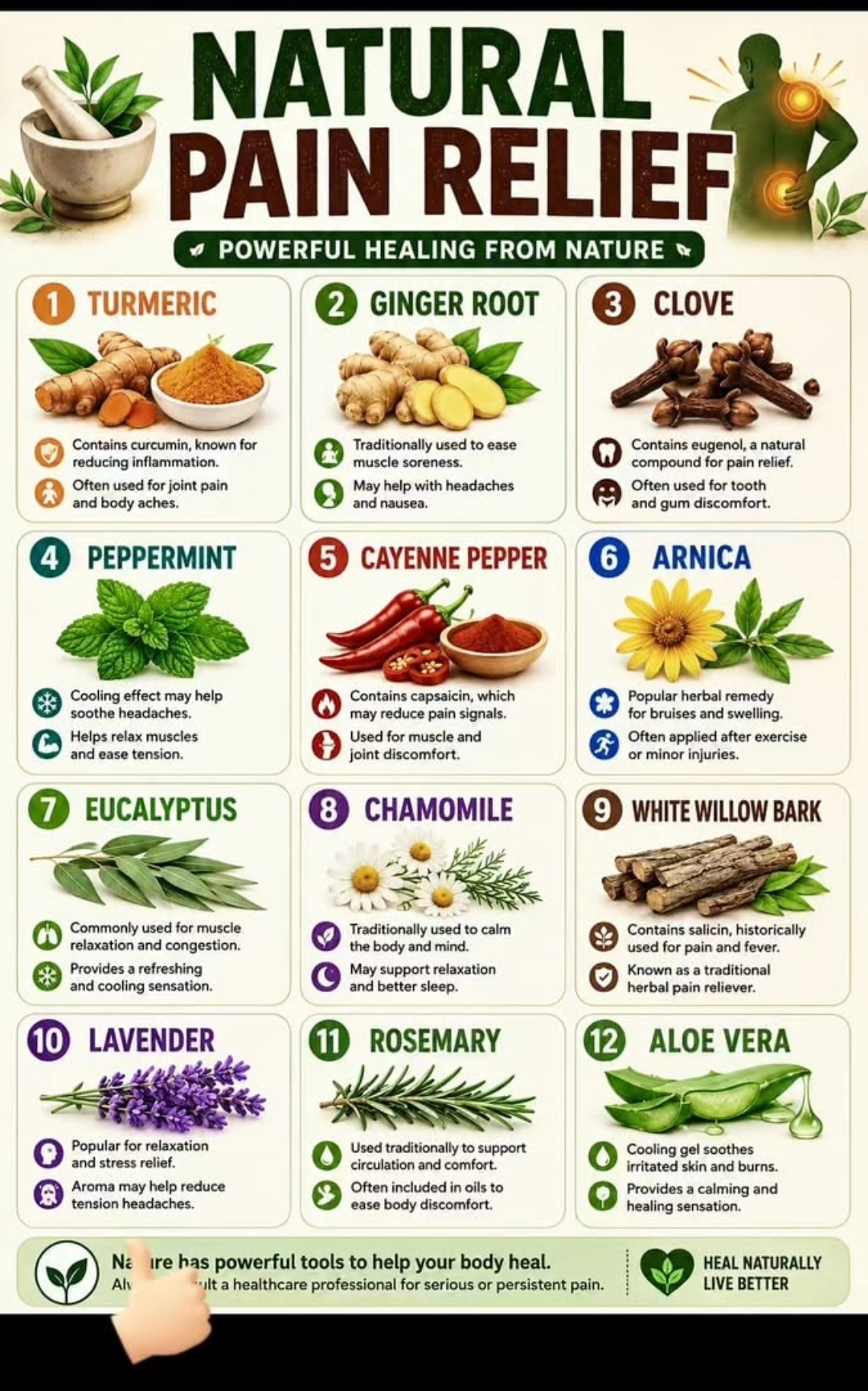
Twelve plants nature has long offered for muscle soreness, headaches, joint discomfort and tension — always alongside, never instead of, professional care.
✦ Always consult a healthcare professional for serious or persistent pain.
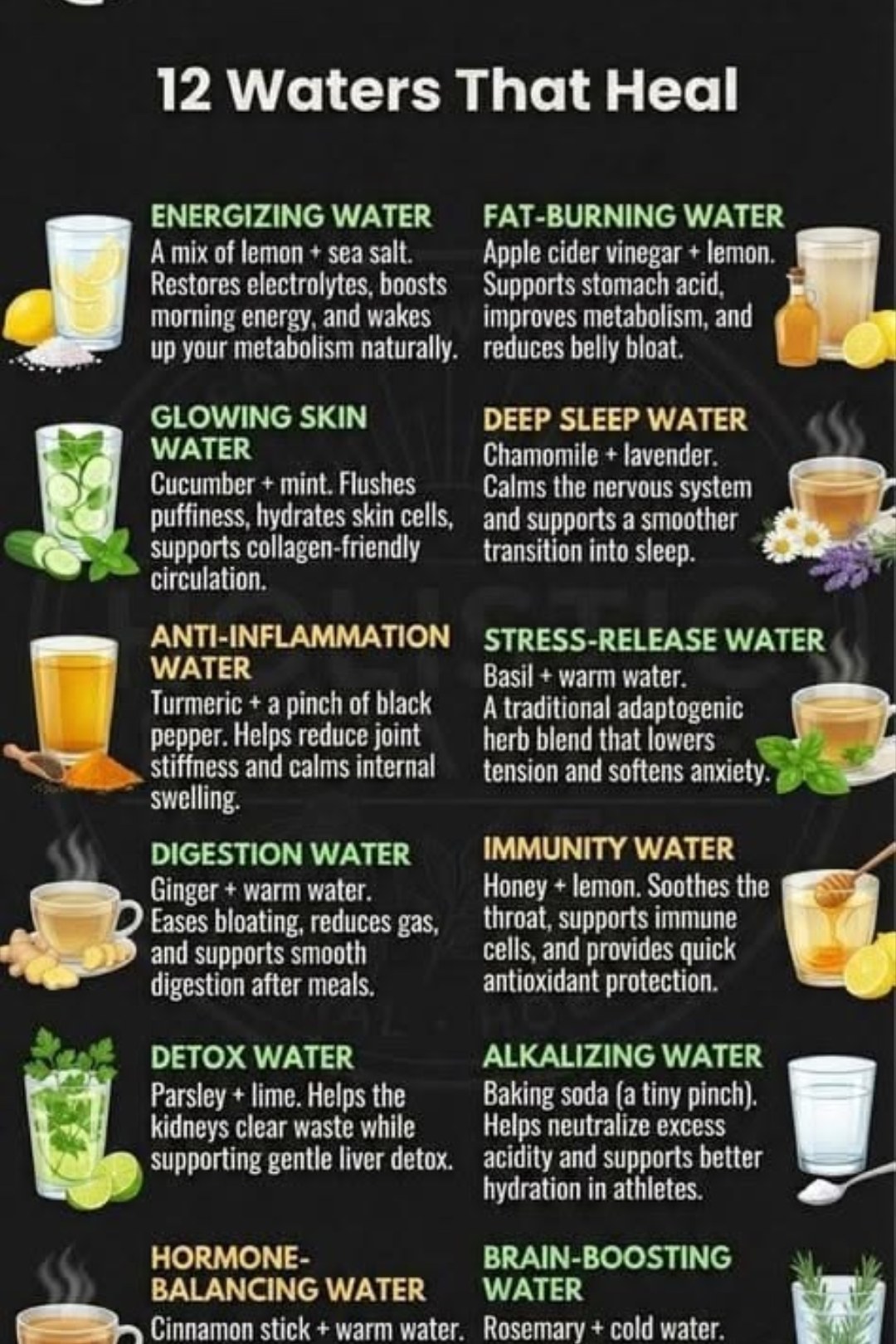
What you drink matters as much as what you eat. A few intentional additions to a glass of water turn ordinary hydration into something that actually does work in the body.

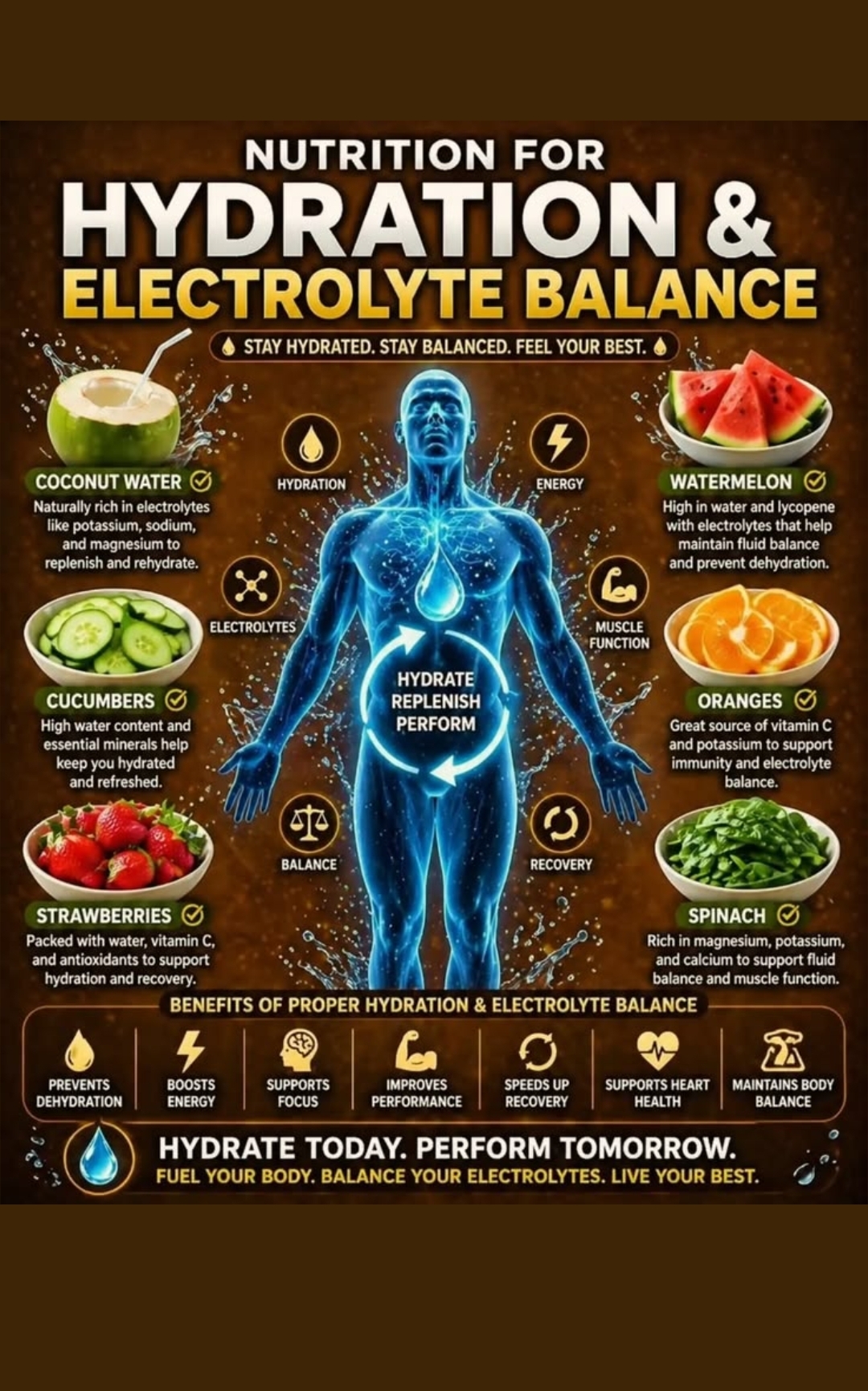
"Hydrate today. Perform tomorrow." Six foods that prevent dehydration, boost energy and support every system that depends on fluid balance.

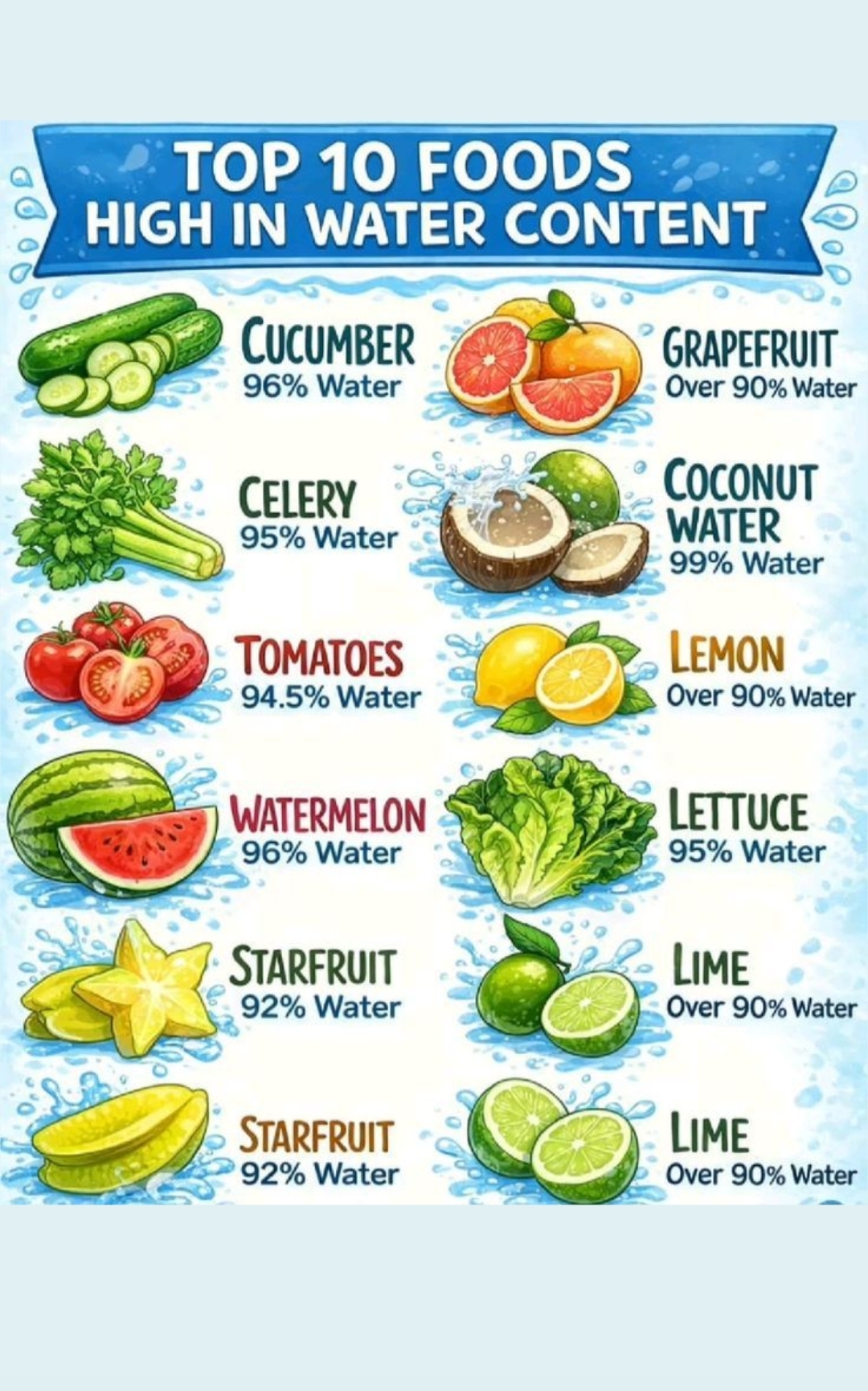
From coconut water at 99% to starfruit at 92% — a ranked list of the most hydrating foods available, most of them already familiar.
"Water is not just hydration — it is delivery. It carries nutrients to every cell, flushes what you no longer need, and creates the internal environment in which healing becomes possible."
Stressed, sleepless, or simply running low on energy — three common states, three sets of foods that have shown up again and again to help.

"Food that calms the mind, balances mood and supports inner peace." Small choices today, peaceful mind tomorrow.

"Good night. Better rest. Stronger you." Nourish your body, calm your mind, restore your energy — one evening choice at a time.

Five key nutrients that support energy, mood and mental clarity — most obtainable through food alone.
Beyond single ingredients, a handful of bigger-picture references — colour, honey, nuts and coconut — each one a small daily decision with an outsized effect.

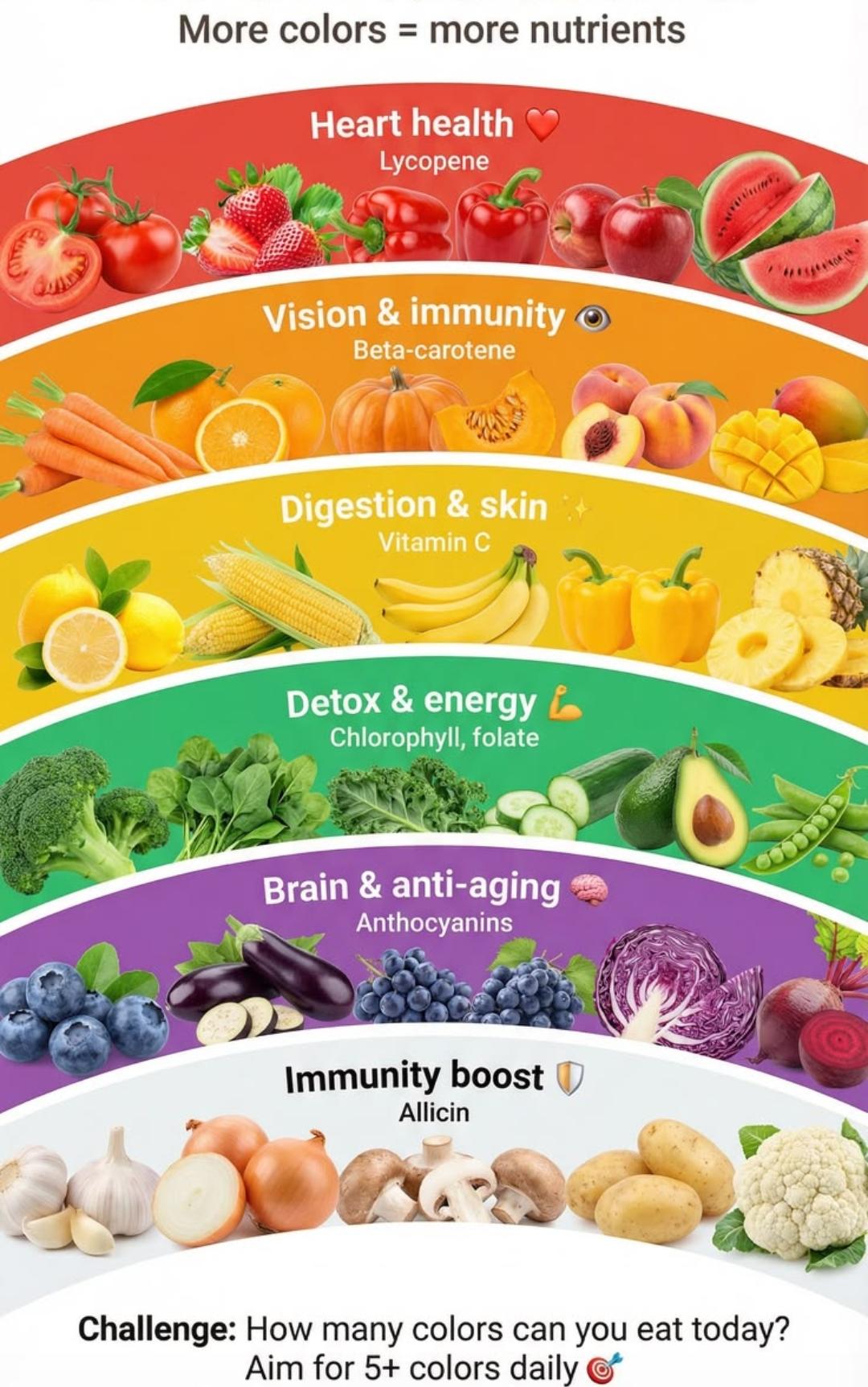
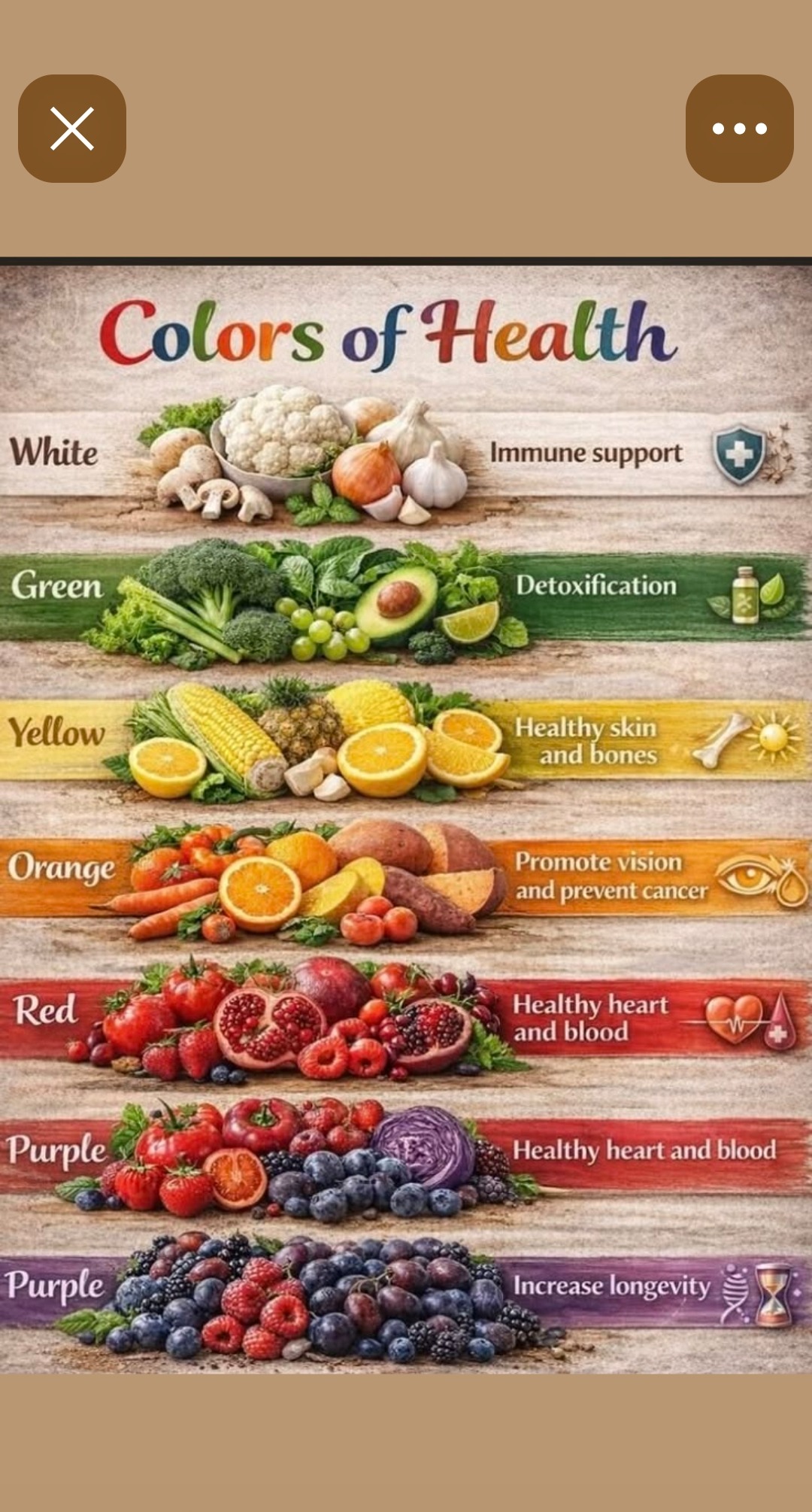
Each colour in a meal carries its own family of plant compounds. The simplest measure of a varied diet may just be how colourful the plate looks.

A quick-reference companion to the rainbow above — what each colour family is most associated with supporting in the body.

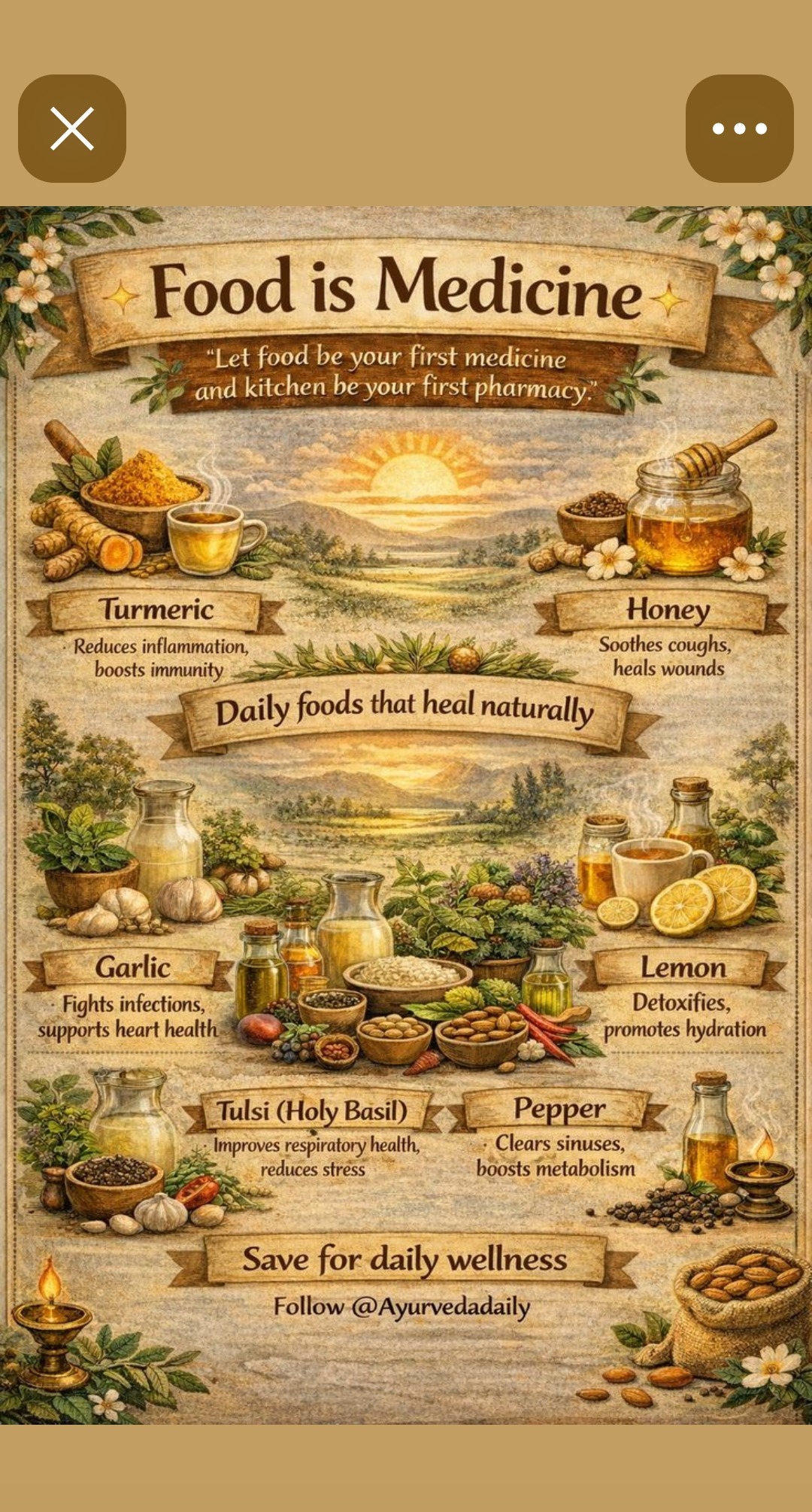
"Let food be your first medicine, and kitchen be your first pharmacy." Six everyday staples, each doing real work in the body.

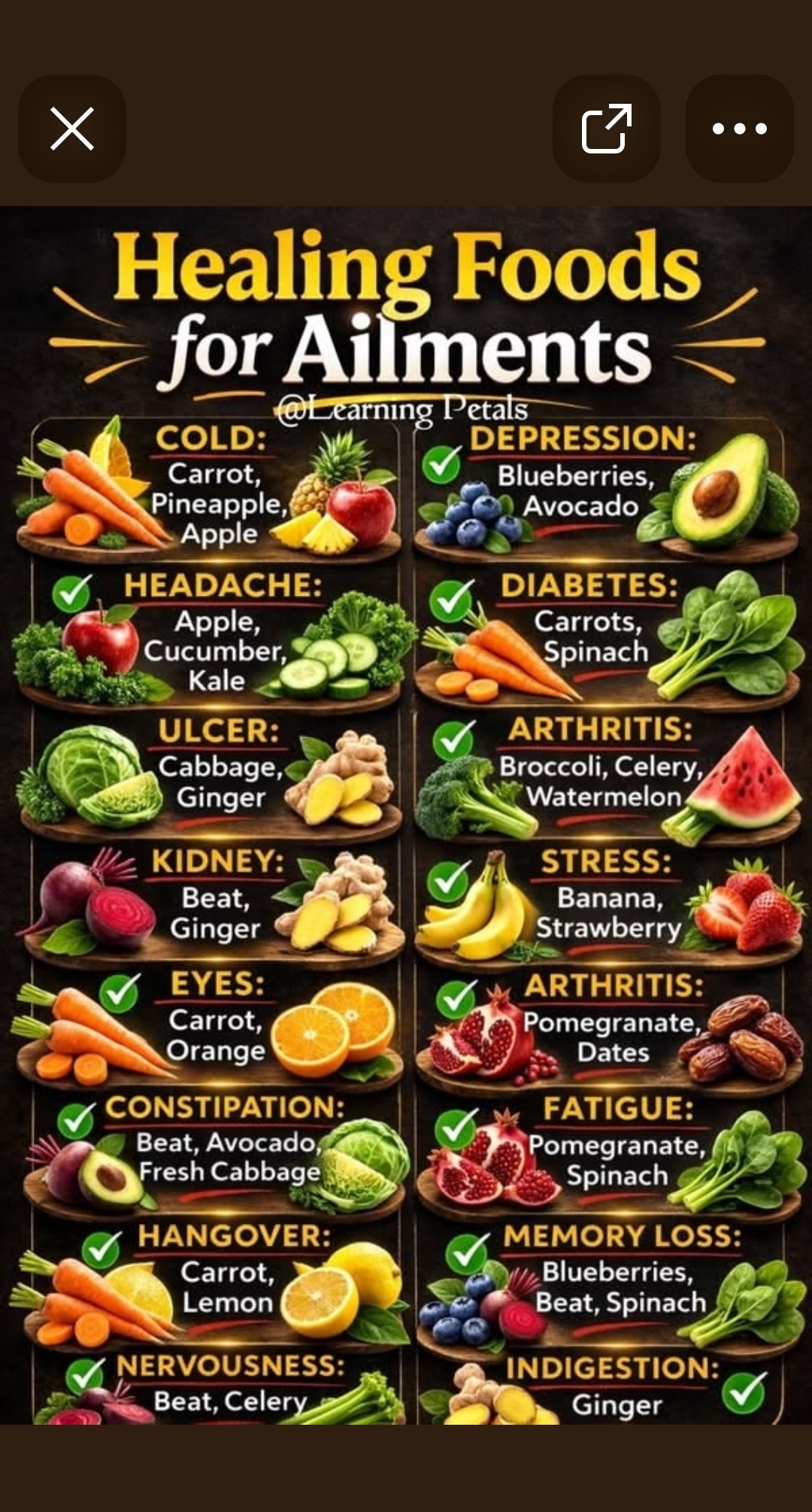
A ready reference for everyday complaints — not a diagnosis, simply the foods most commonly reached for, mapped to the discomfort they're known to ease.

Rich in antioxidants and used across traditions for centuries — from soothing a sore throat to supporting gut health.

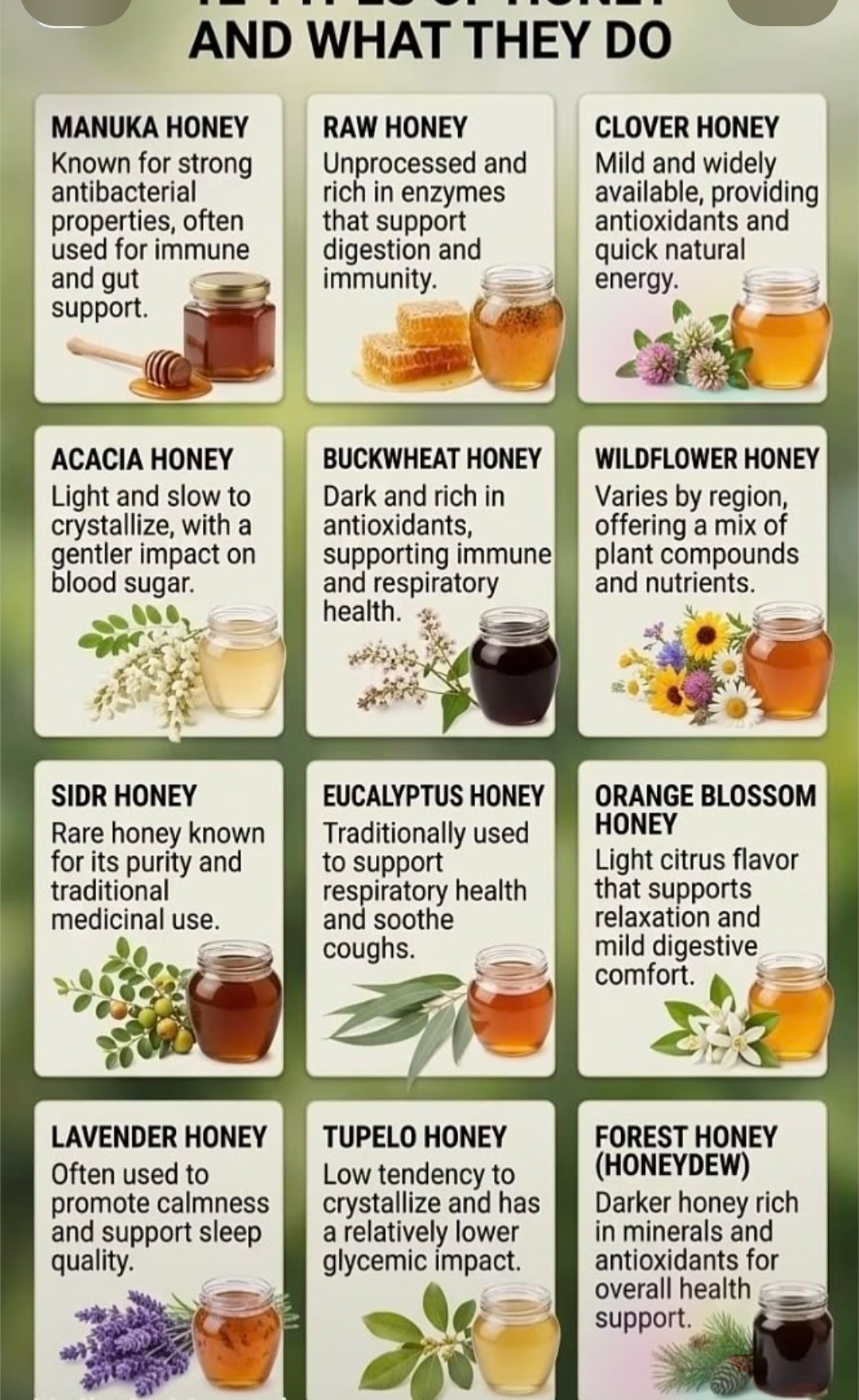
From Manuka's strong antibacterial reputation to Lavender honey's calming association — the source flower changes what a honey is best used for.

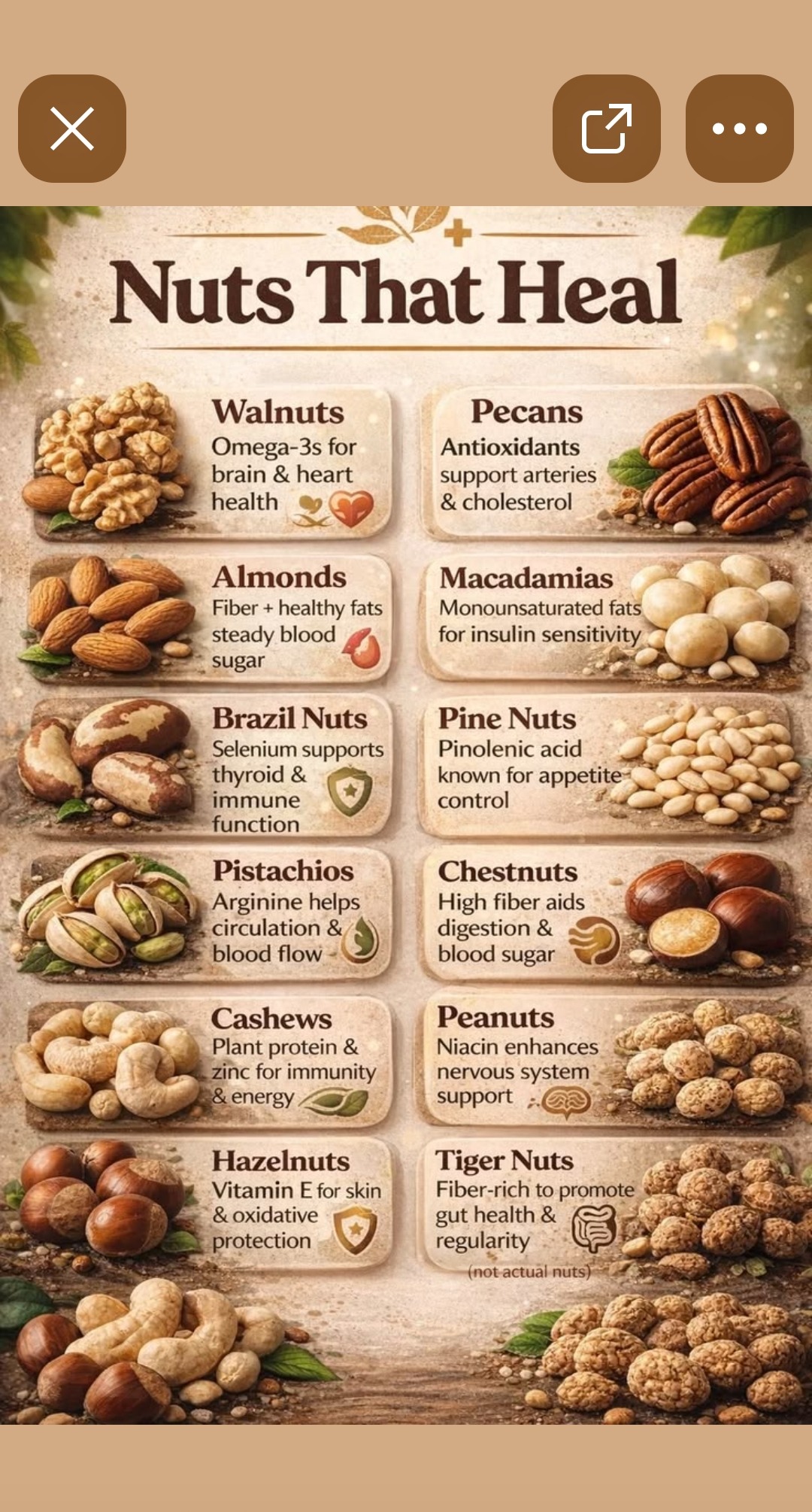
Twelve varieties, twelve different jobs — small enough for a daily handful, dense enough to matter.

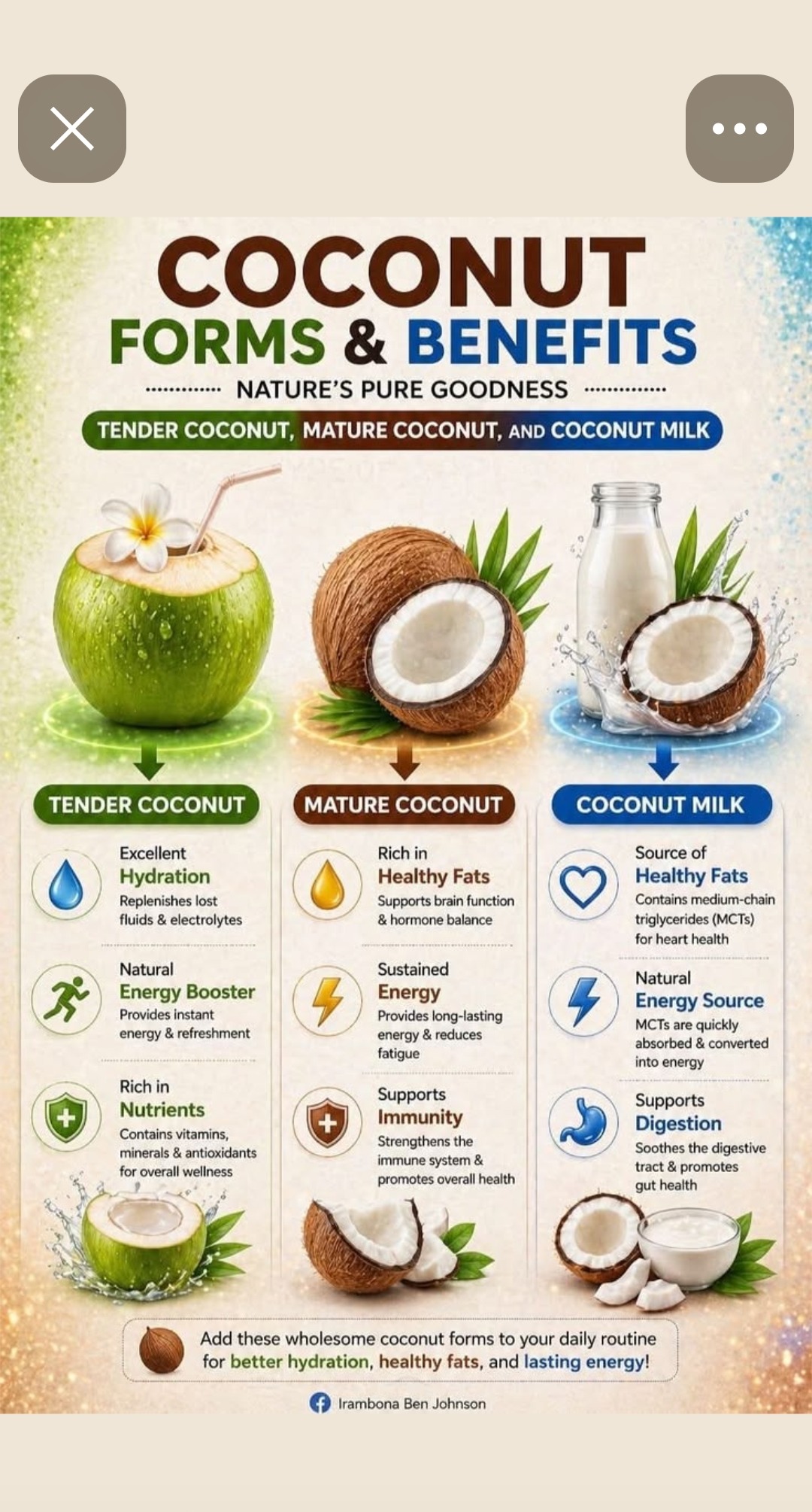
Tender coconut, mature coconut and coconut milk each offer something different — choosing the right form means choosing the right benefit.
Everything on this page connects to three deeper practices. Different doorways into the same idea — that what you eat, drink and prepare is part of how you heal.
The ancient Indian system this whole page draws from — doshas, daily rhythms, and food chosen to match your constitution, not a generic chart.
Explore Ayurveda →Teas, tinctures and the herb cabinet — chamomile, lavender, rose and the rest of the plants that turn a kitchen into a small pharmacy.
Explore Healing Herbs →Infused waters, tonics and rituals built around a single intention — energy, sleep, digestion — one glass at a time.
Explore Wellness Drinks →