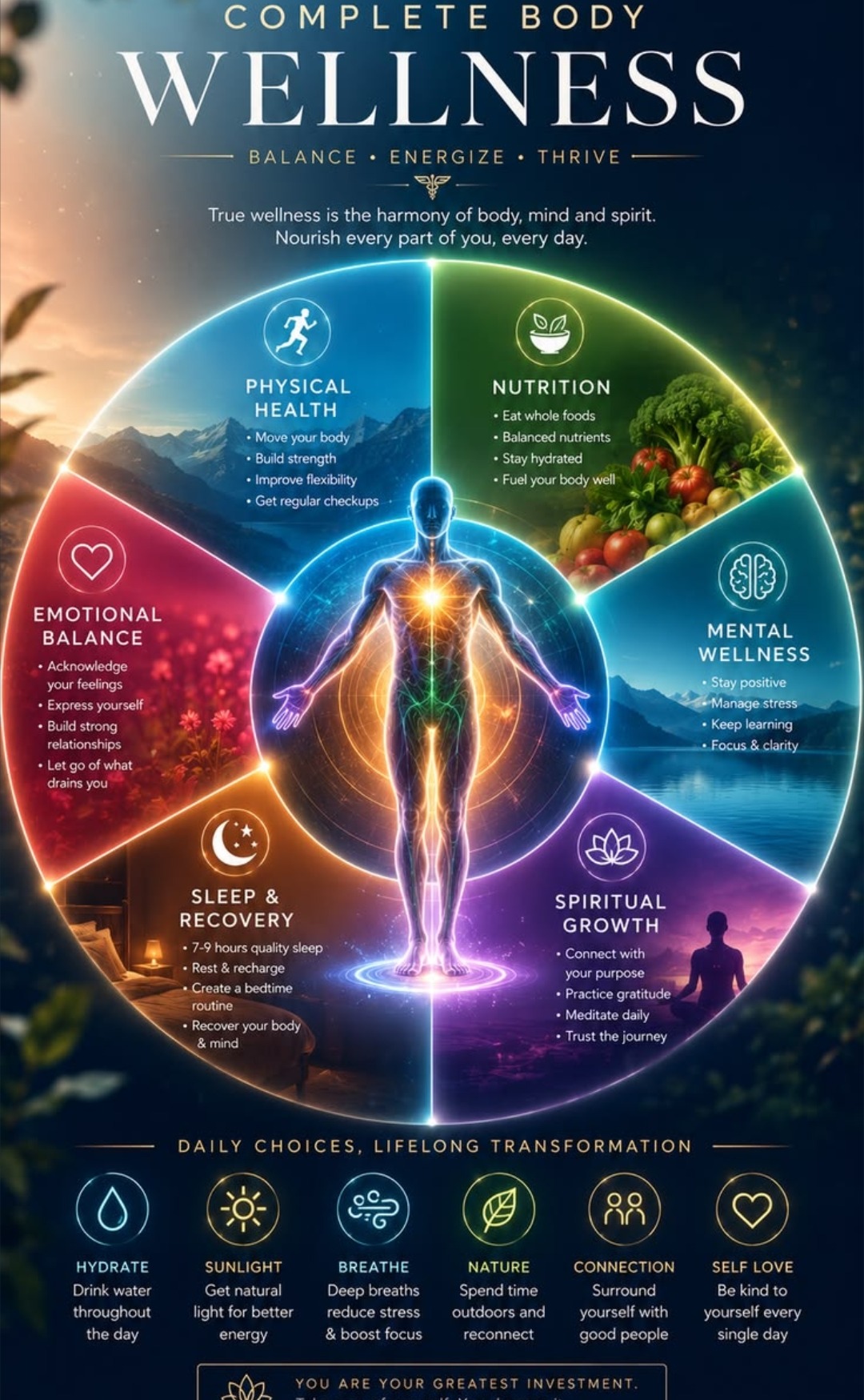
Wellness Library › Holistic Health
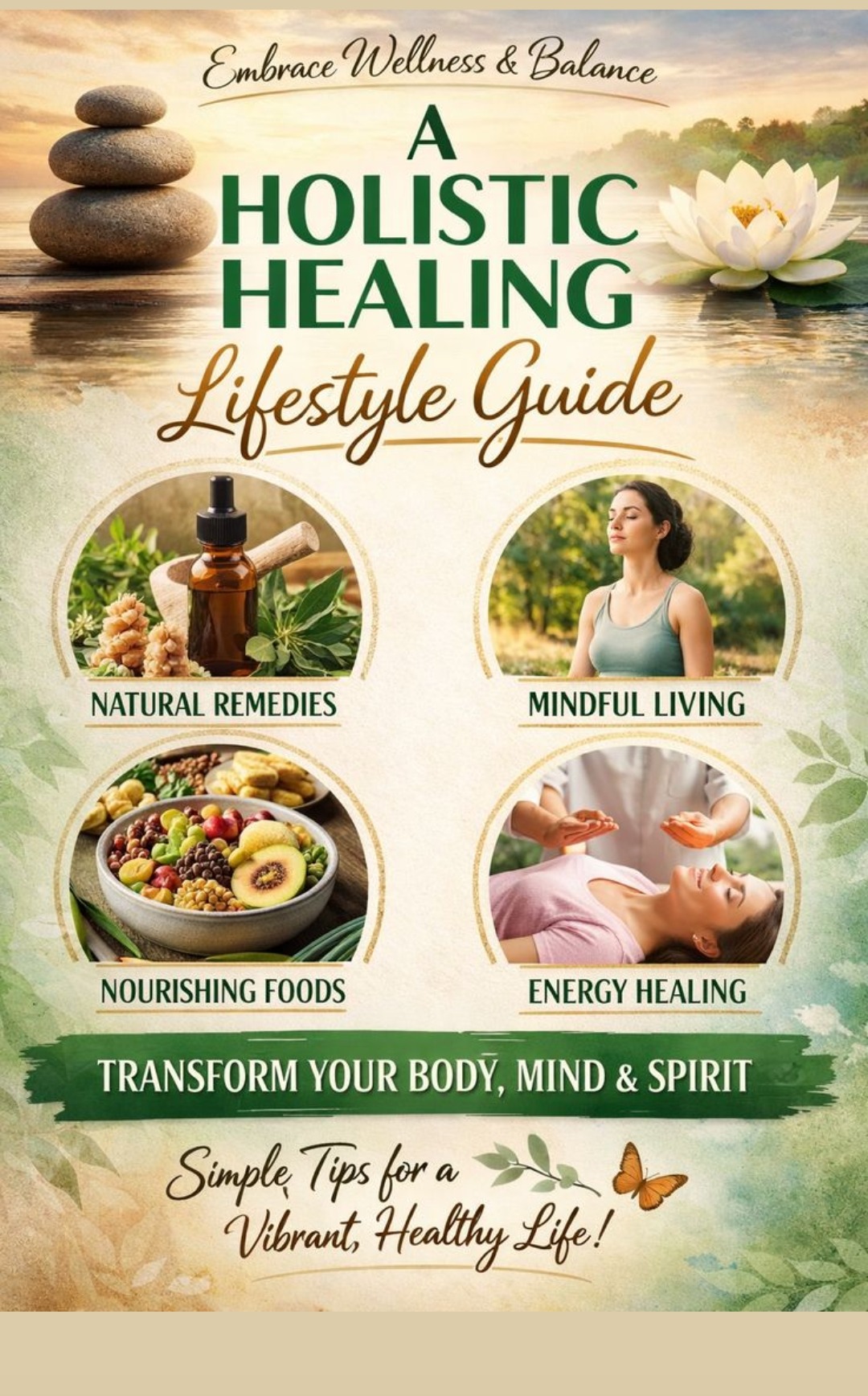

The mind-body-soul connection isn't a wellness trend — it's the understanding that thought, physical health and inner peace function as one cohesive system. Every tradition that's lasted more than a century has said some version of the same thing.
Most healthcare treats the symptom in front of it. Holistic health asks a different question first: what's actually causing this — in the body, the mind, or the life someone is living? It's not an alternative to medicine. It's medicine that refuses to look away from the whole person.
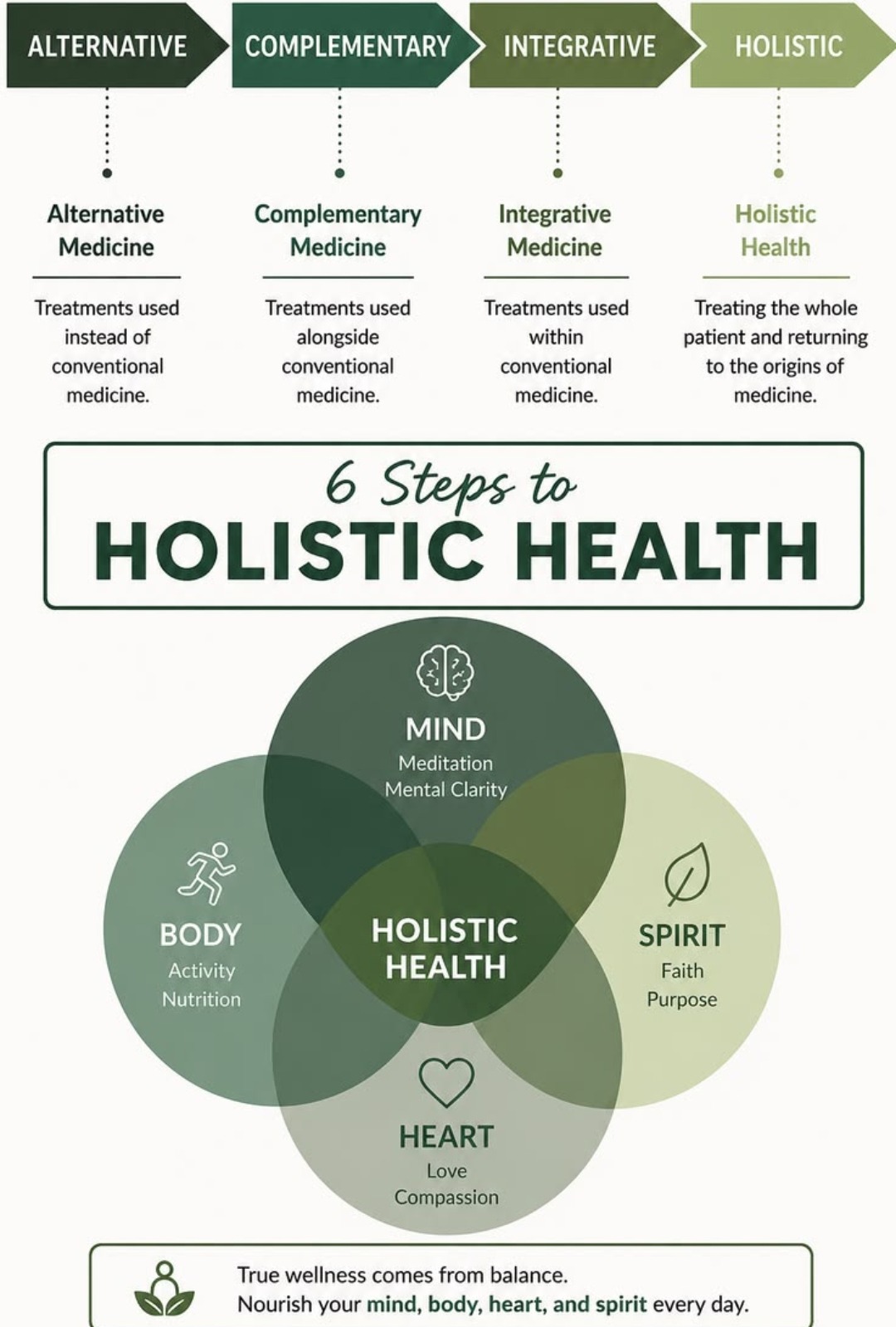
Alternative medicine is used instead of conventional care. Holistic health treats the whole patient — and returns to the original meaning of the word medicine.
Naturopathy — sometimes called natural medicine — is one branch of holistic care, using only herbs, acupuncture and the body's own healing capacity. Many holistic practitioners combine natural remedies with conventional treatment when it serves the whole person best. There's no dogma here — only the question of what actually helps.
Physical. Mental. Emotional. Social. Spiritual. Conventional care usually treats these as separate departments. In your actual life, they're one continuous conversation — stress shows up as a racing heart, gut trouble shows up as bad sleep, loneliness shows up as low mood. Holistic health is simply paying attention to that conversation.
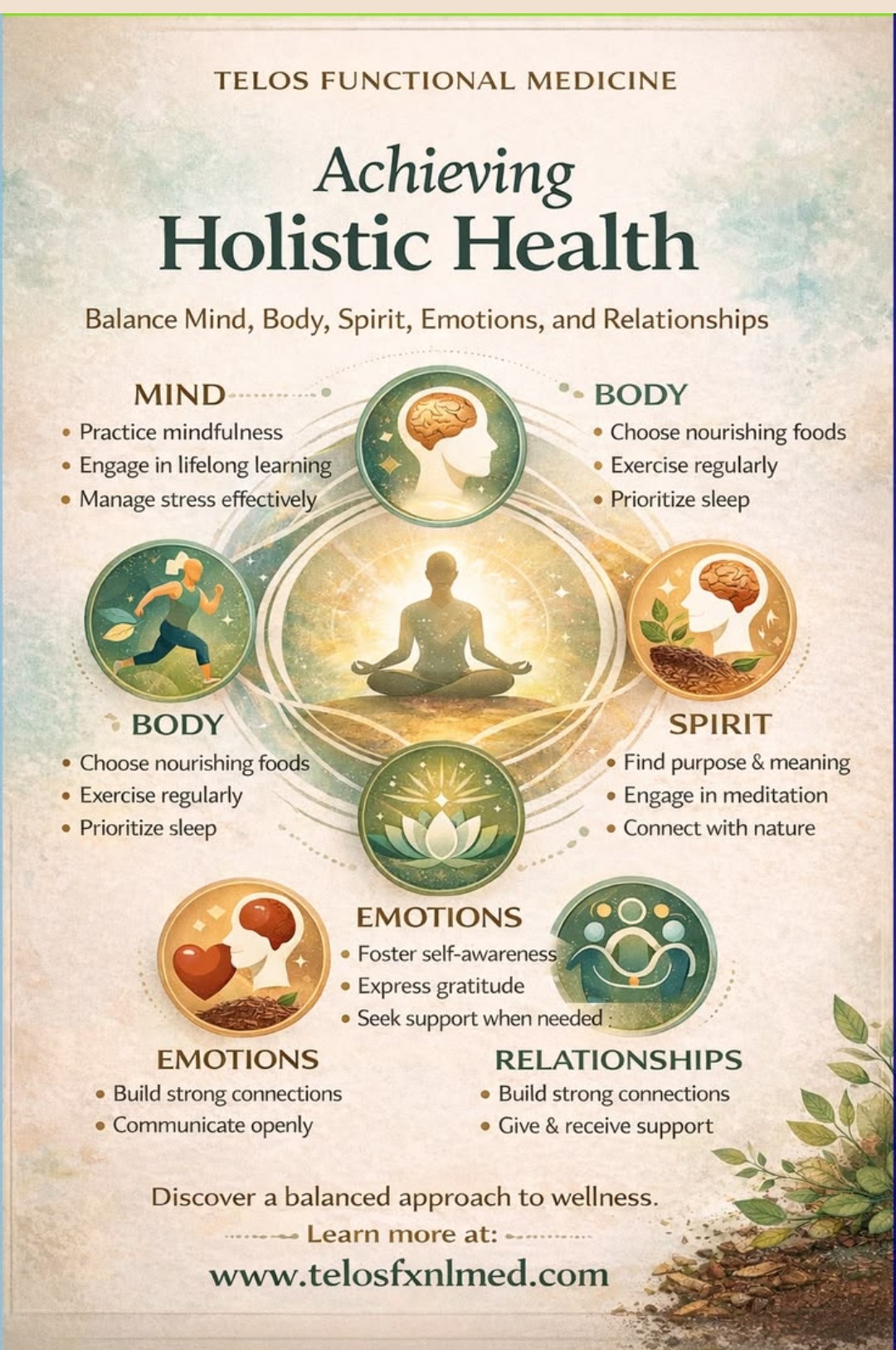
"Healthy mind, healthy body" is more than a saying — chronic stress measurably raises blood pressure, and poor gut health measurably disrupts sleep and mood.
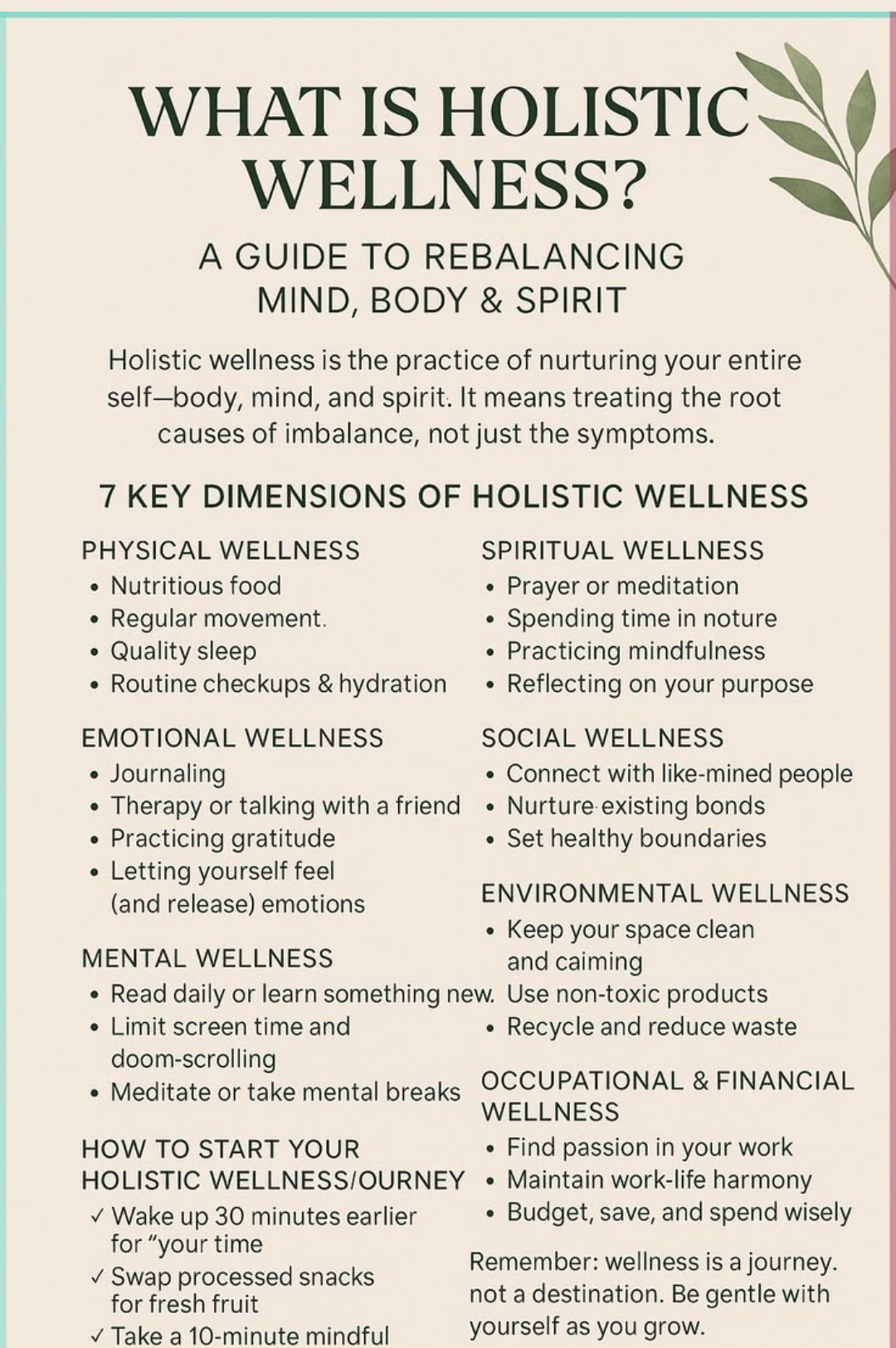
Holistic wellness treats the root cause, not just the symptom — which means looking further than mind and body alone.
Wellness is a journey, not a destination. Be gentle with yourself as you grow.
"Yoga is the art work of awareness on the canvas of body, mind and soul," says an ancient proverb — and it may be the single oldest holistic practice still in daily use. Long before "holistic health" was a phrase, yoga was already treating breath, movement and stillness as one unified act.
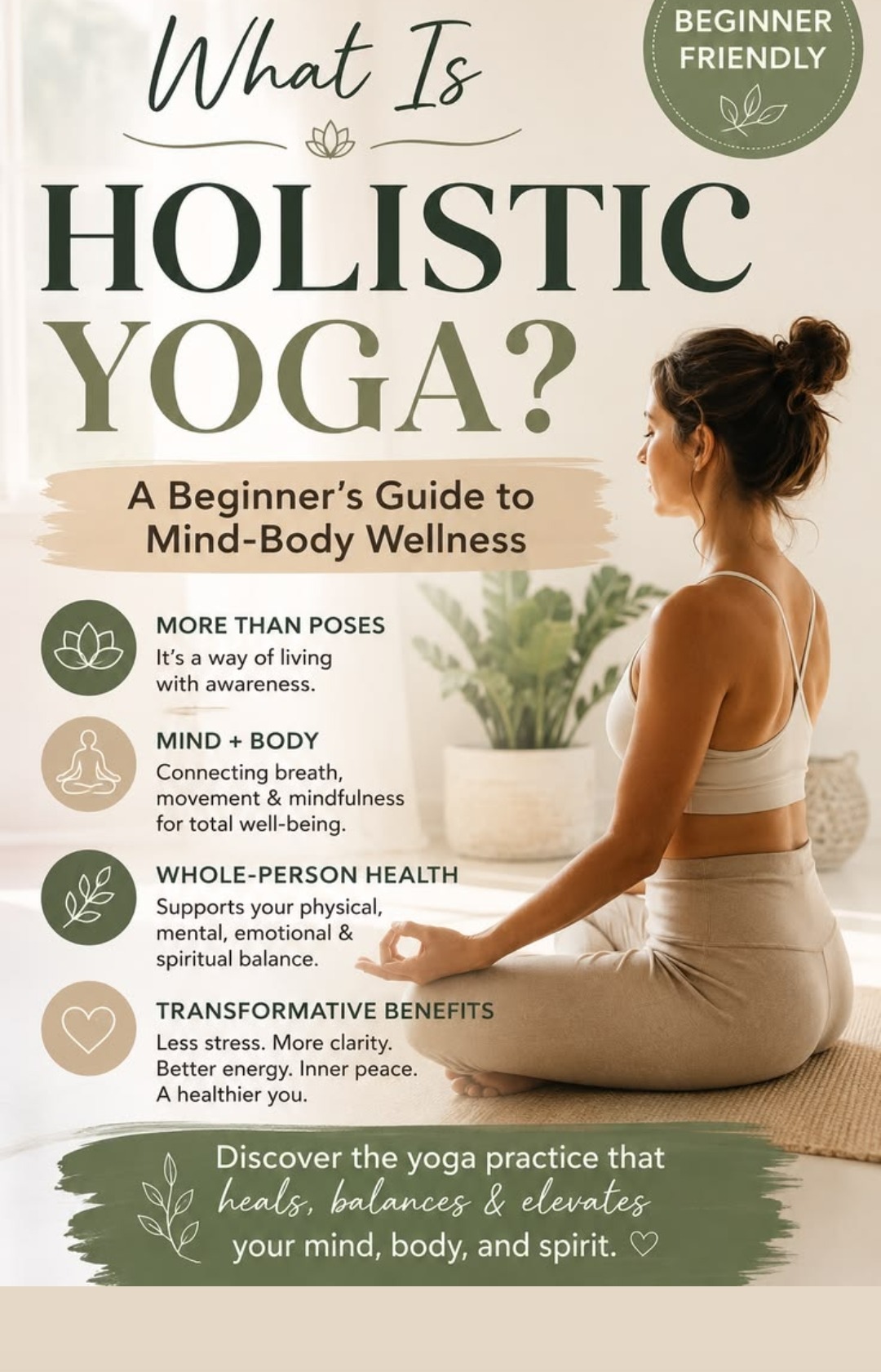
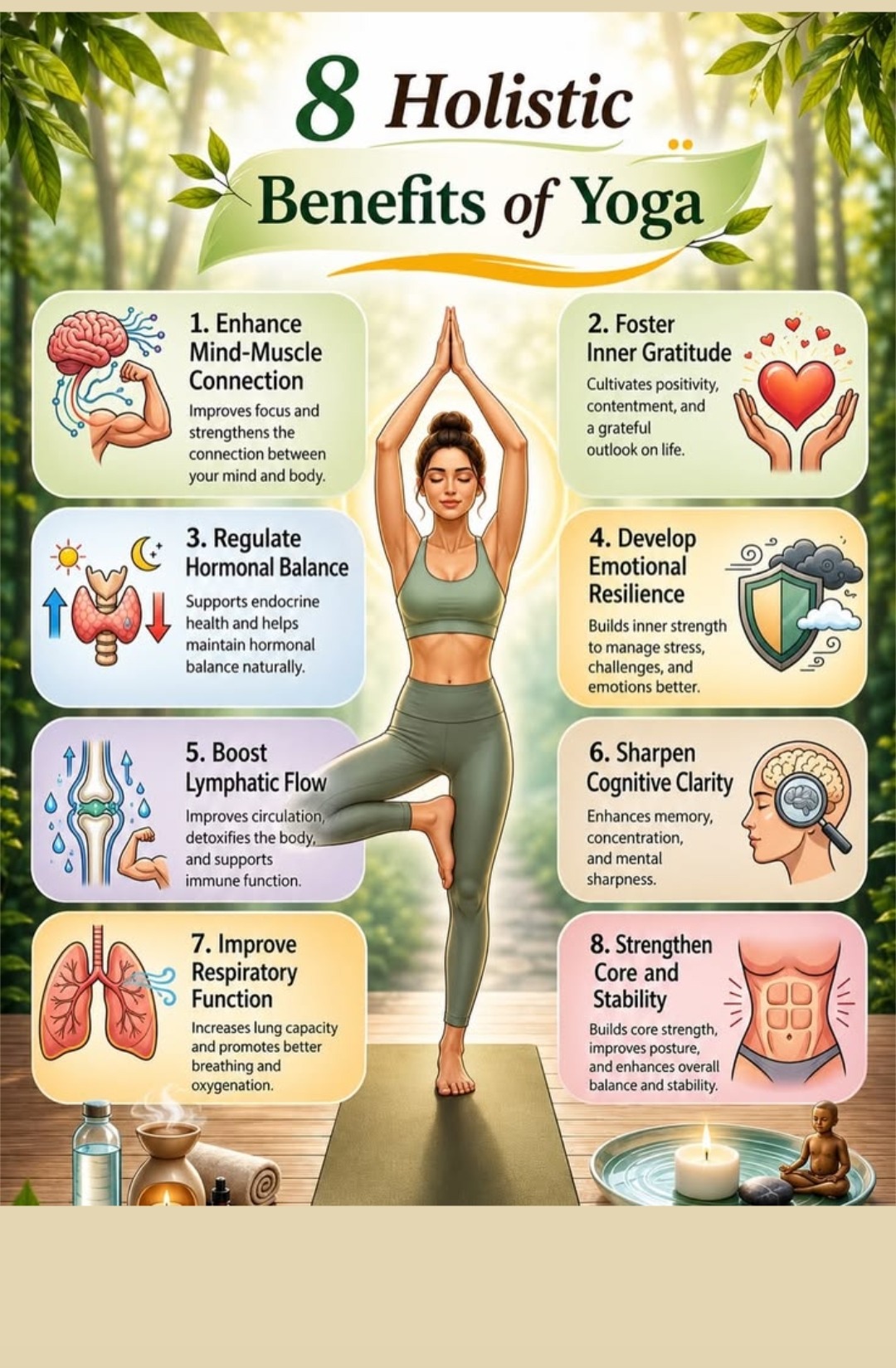
It's a way of living with awareness — connecting breath, movement and mindfulness for whole-person health, not just flexibility.
Five ordinary-sounding habits, doing extraordinary work underneath the surface — nutrition, movement, sleep, mental health and the small consistent habits that turn intention into an actual life.
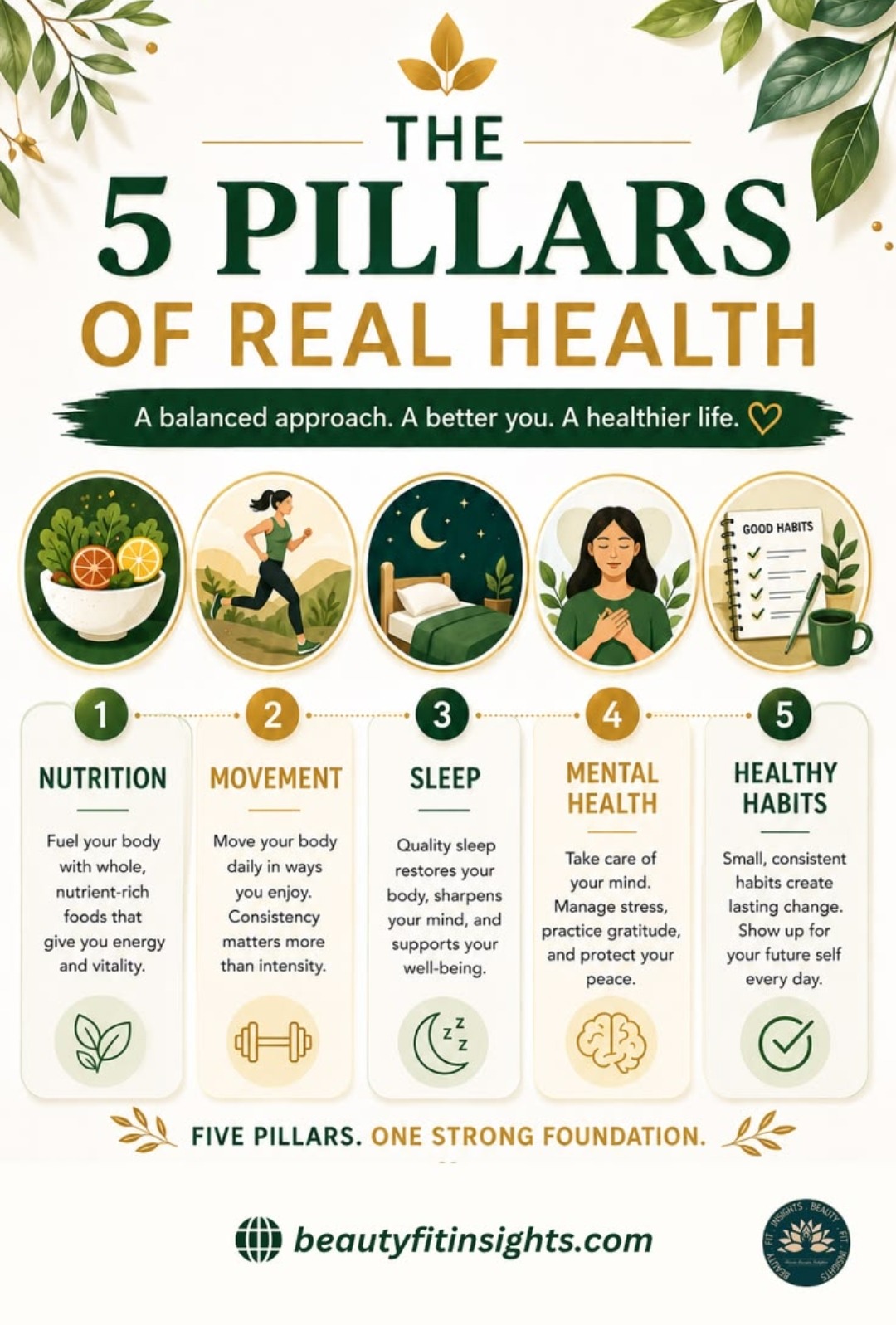
A balanced approach. A better you. A healthier life — built from consistency, not intensity.
"Holistic health isn't the absence of illness — it's a way of living that catches what's off-balance before it becomes a crisis, and puts you back in the driver's seat of your own wellbeing."
Understanding holistic health is the easy part. The six pillars below are what actually move the needle — nourish, hydrate, move, manage stress, sleep and nurture connection. None of them are dramatic. All of them compound.
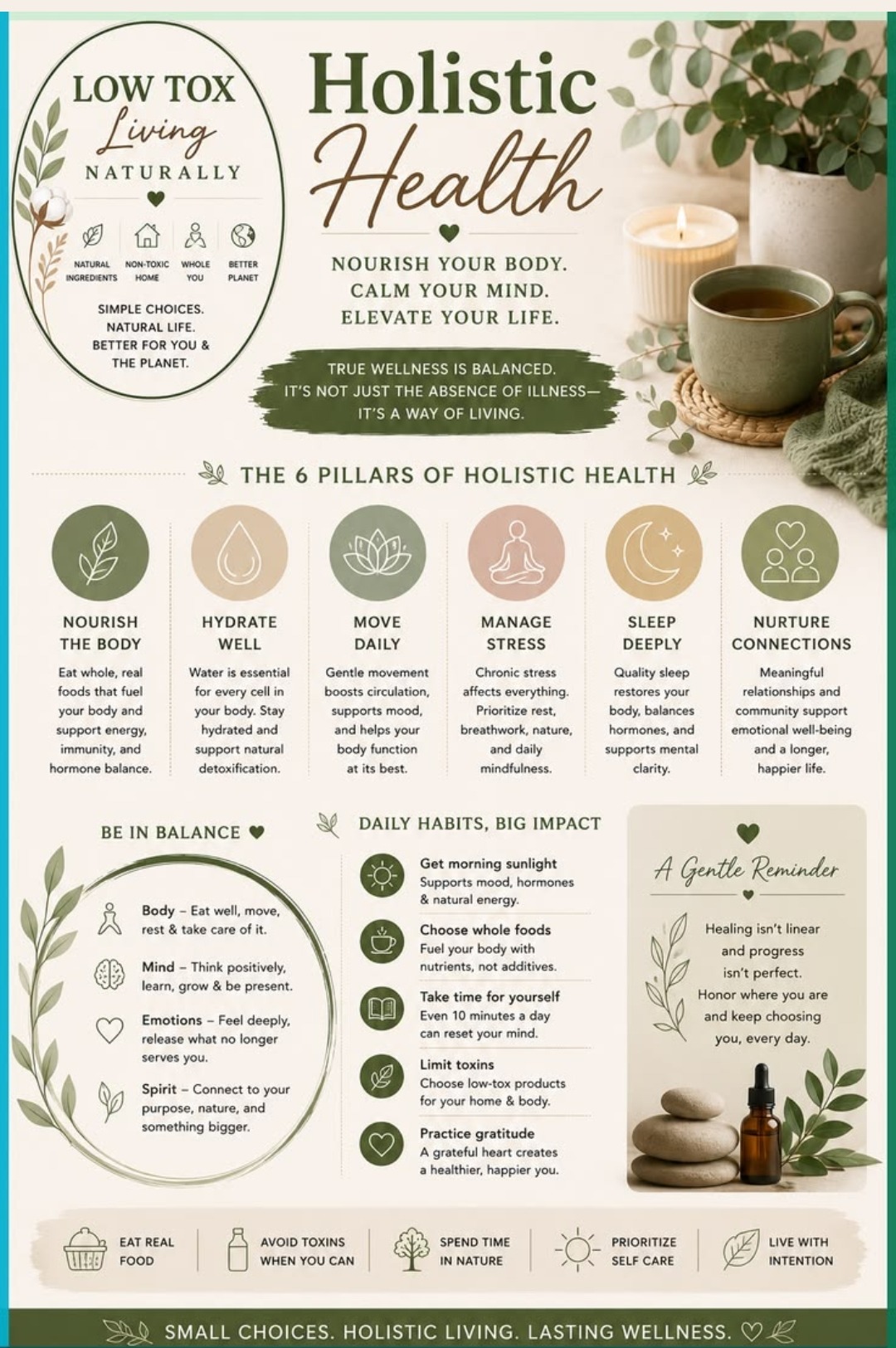
True wellness isn't just the absence of illness — it's a way of living. Small choices, repeated daily, become holistic living, become lasting wellness.
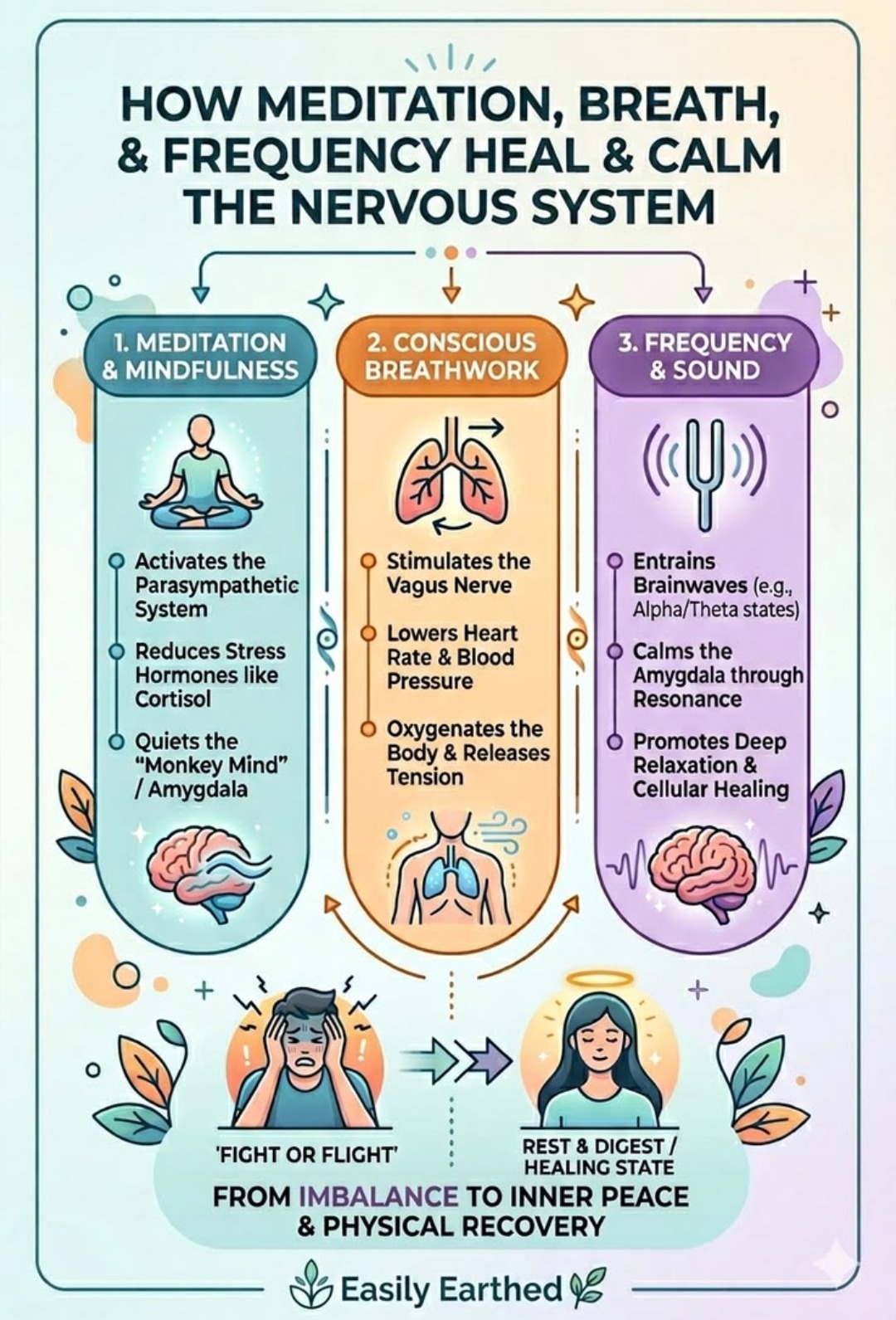
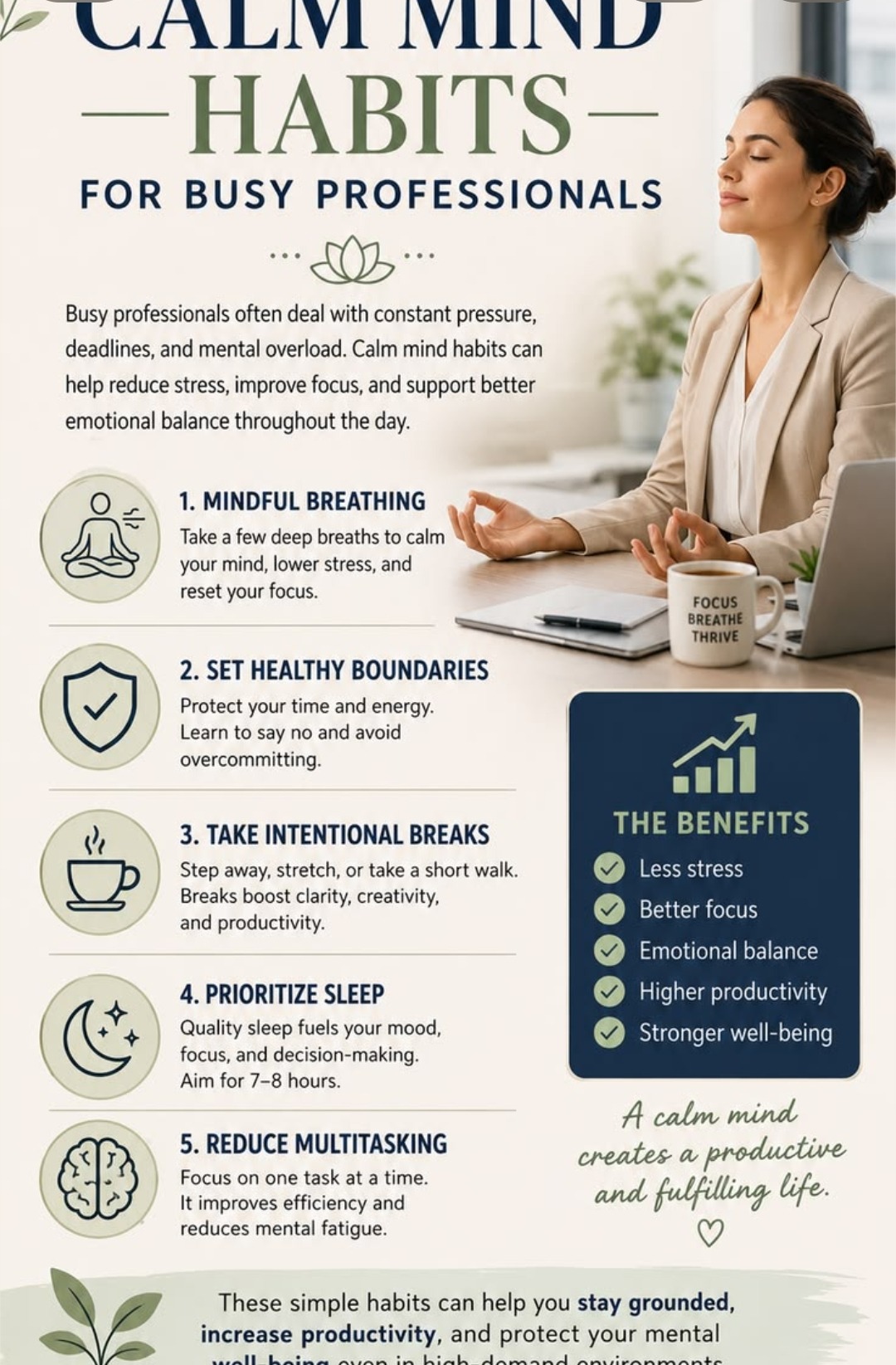
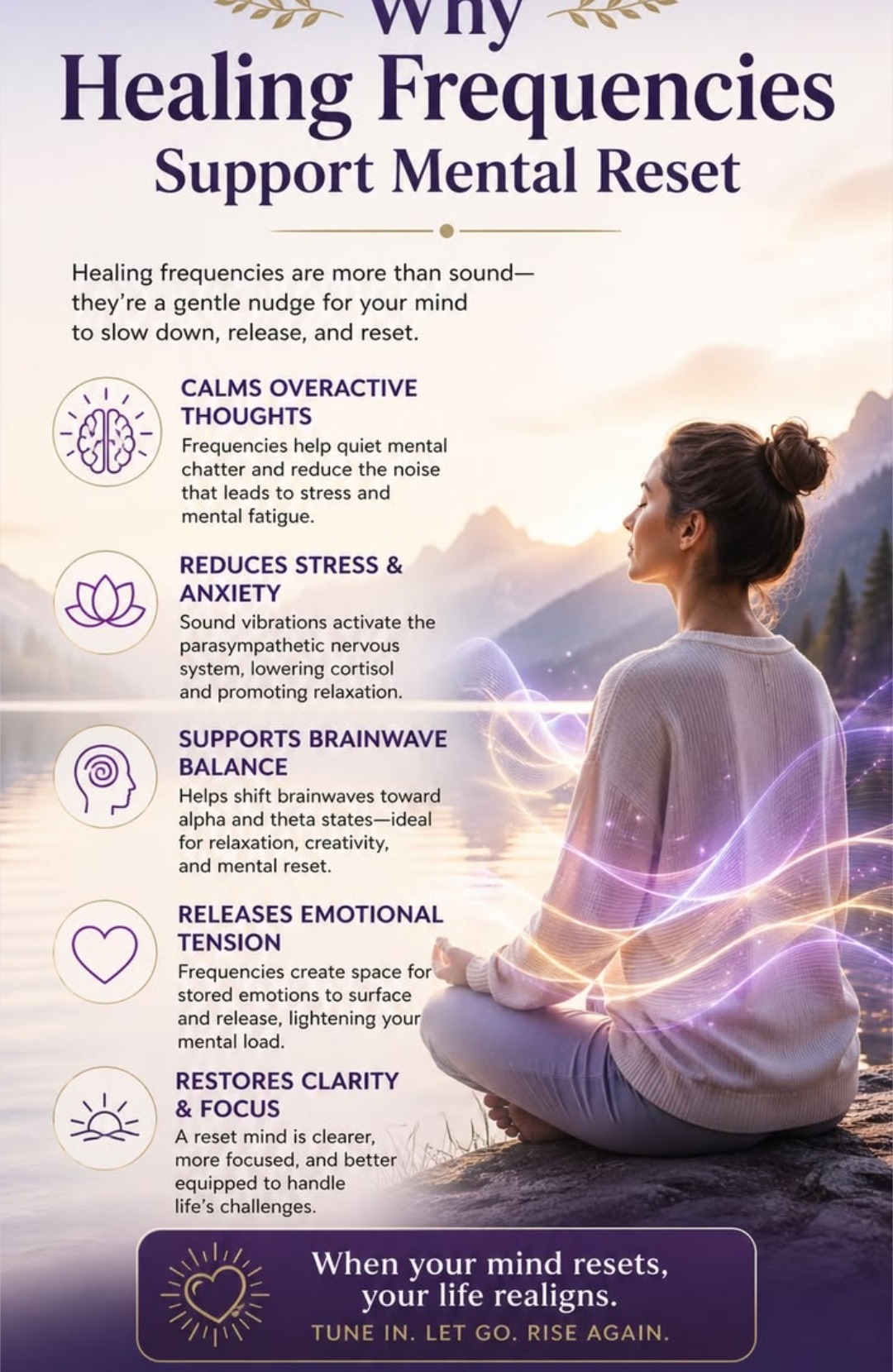
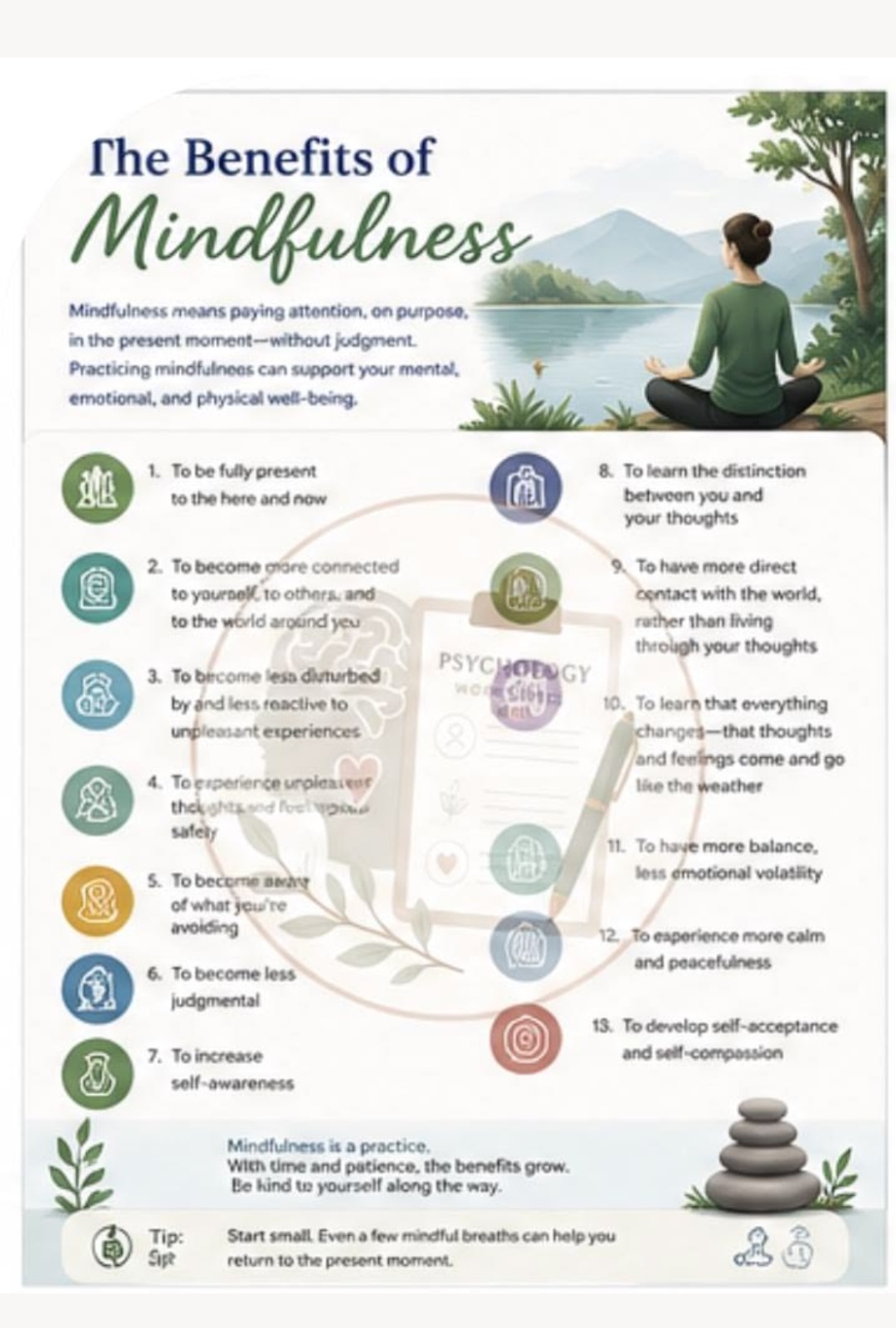
Managing stress doesn't require an hour a day — it requires a few honest habits, repeated without heroics. Meditation, conscious breathwork and sound frequency all reach the nervous system through different doors, but they arrive at the same room: out of fight-or-flight, into rest and repair.
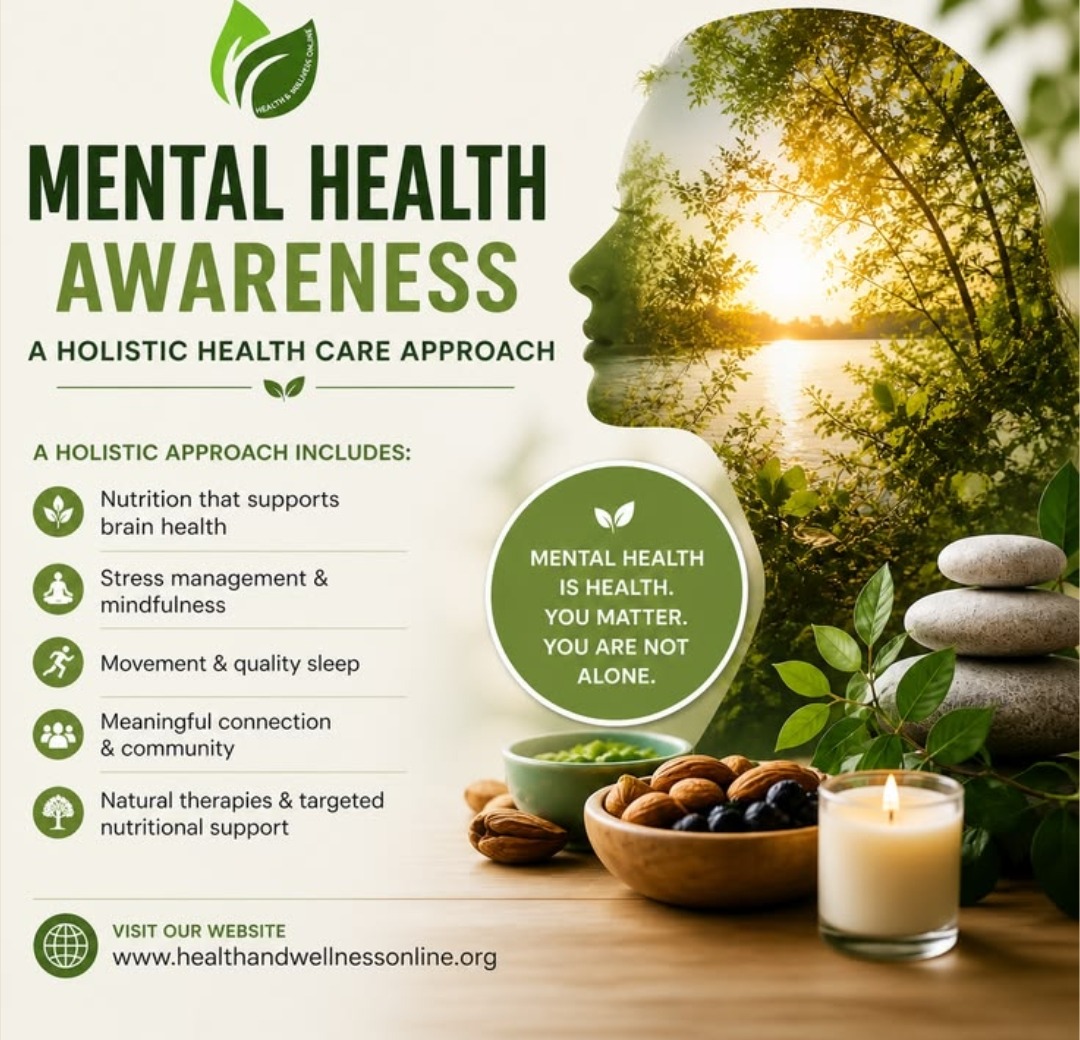
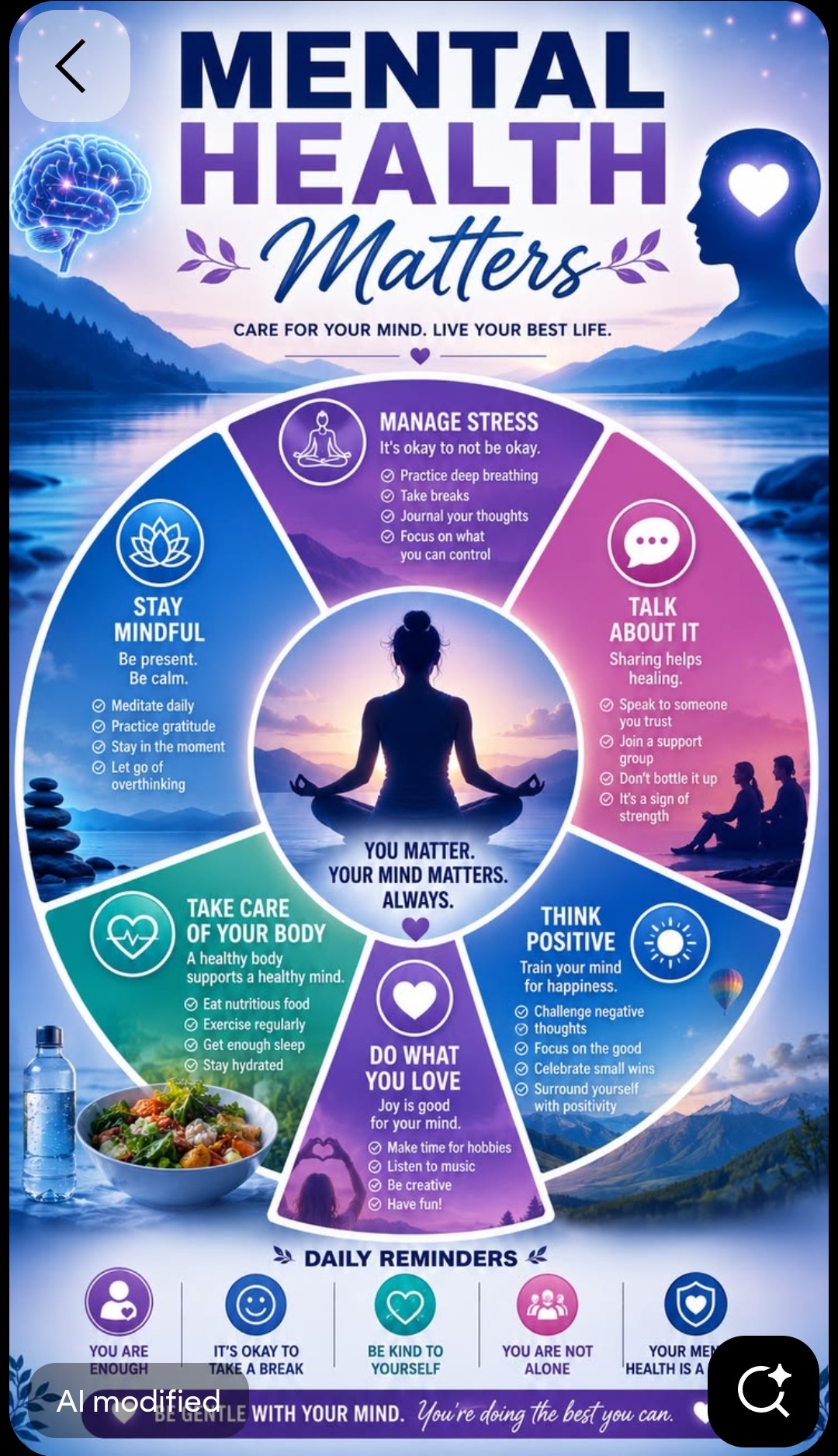
Mental health is health. You matter. You are not alone.
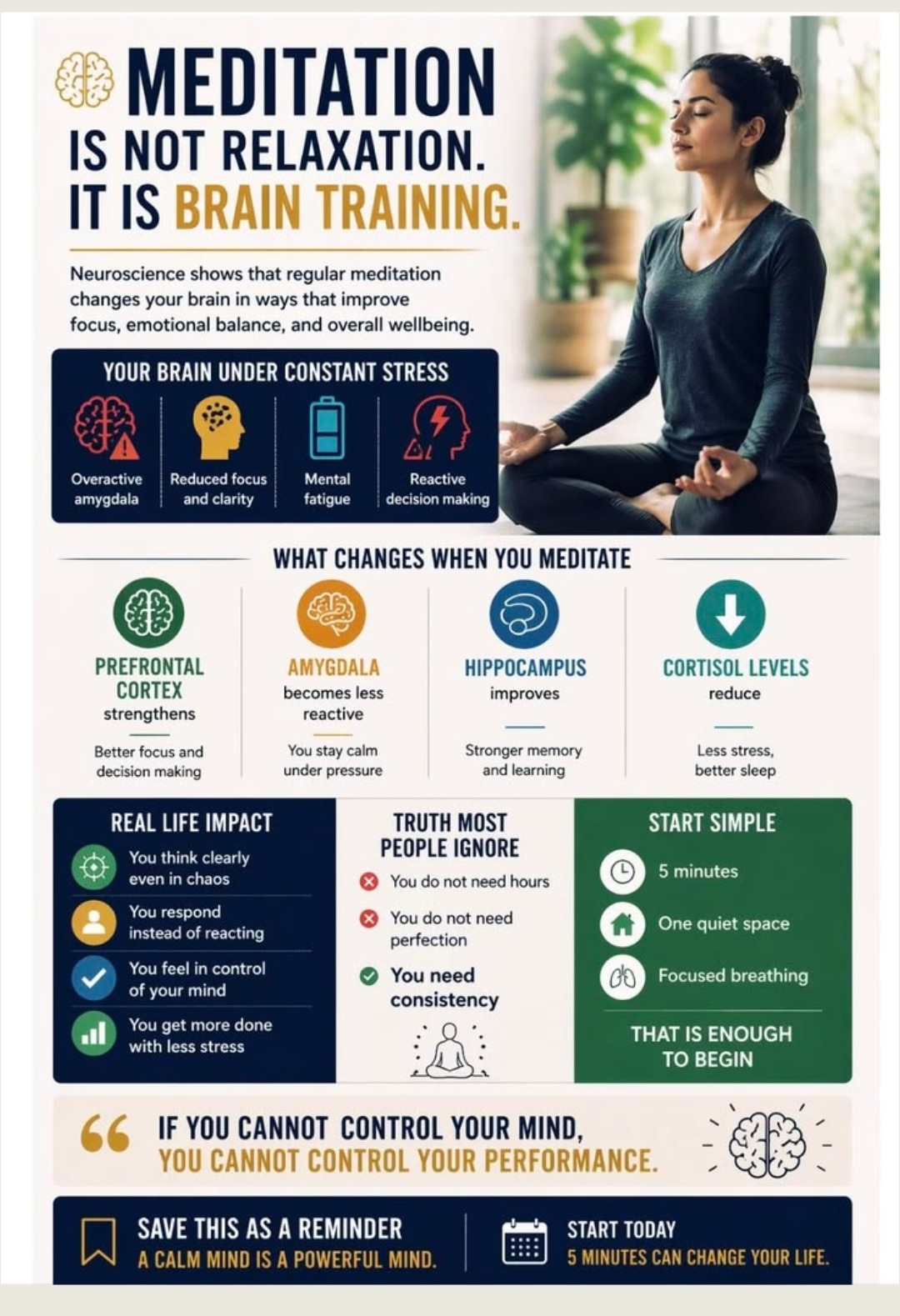
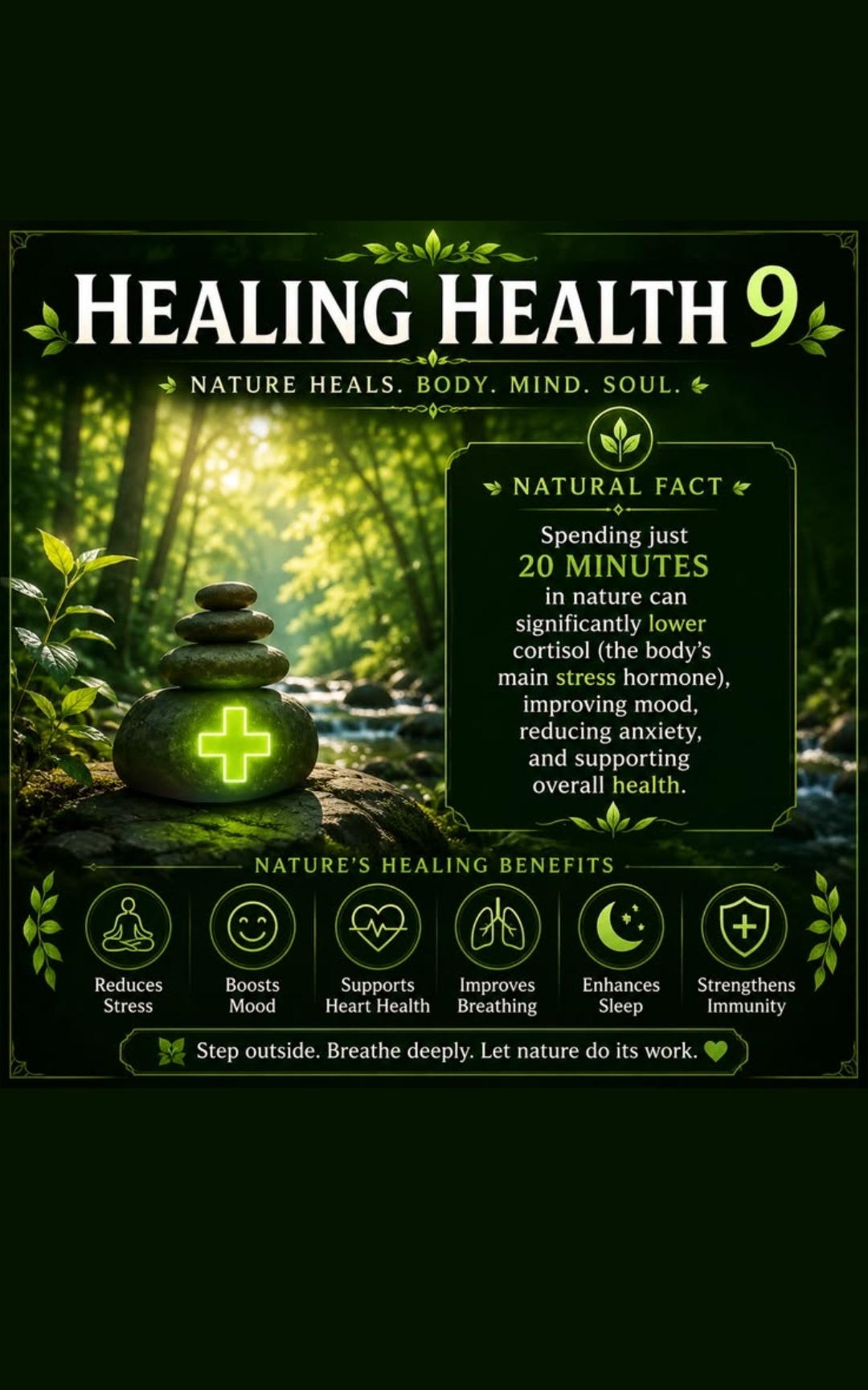
Step outside. Twenty minutes is all it takes to measurably lower cortisol.

A simple daily practice — finish your morning shower with 3-5 minutes of cold water while breathing deeply.

Nourish your body. Calm your mind. Restore your spirit. Be gentle with yourself.
Holistic health isn't a separate destination — it's the thread already running through everything on this site. Here's where to go deeper on each dimension.
Hands-on energy work for calming an anxious mind and releasing what the body is holding — the spiritual and emotional dimensions, practised directly.
Explore Reiki →Mindfulness and stillness for the mental and emotional dimensions — proven to lower blood pressure, ease anxiety and improve how you handle stress.
Explore Meditation →The body's seven energy centres, mapped — a framework for noticing where physical, emotional and spiritual imbalance tends to collect.
Explore Chakras →The ancient Indian system built entirely around whole-person balance — doshas, daily rhythm and food chosen to match your constitution.
Explore Ayurveda →The physical dimension, plate by plate — brain foods, bone health, anti-inflammatory choices and the everyday ingredients that quietly heal.
Explore Food as Medicine →The evidence behind it all — sound healing, water science and the measurable reasons these practices work on a stressed nervous system.
Explore the Science →