Wellness Library › Healing Herbs & Plant Medicine
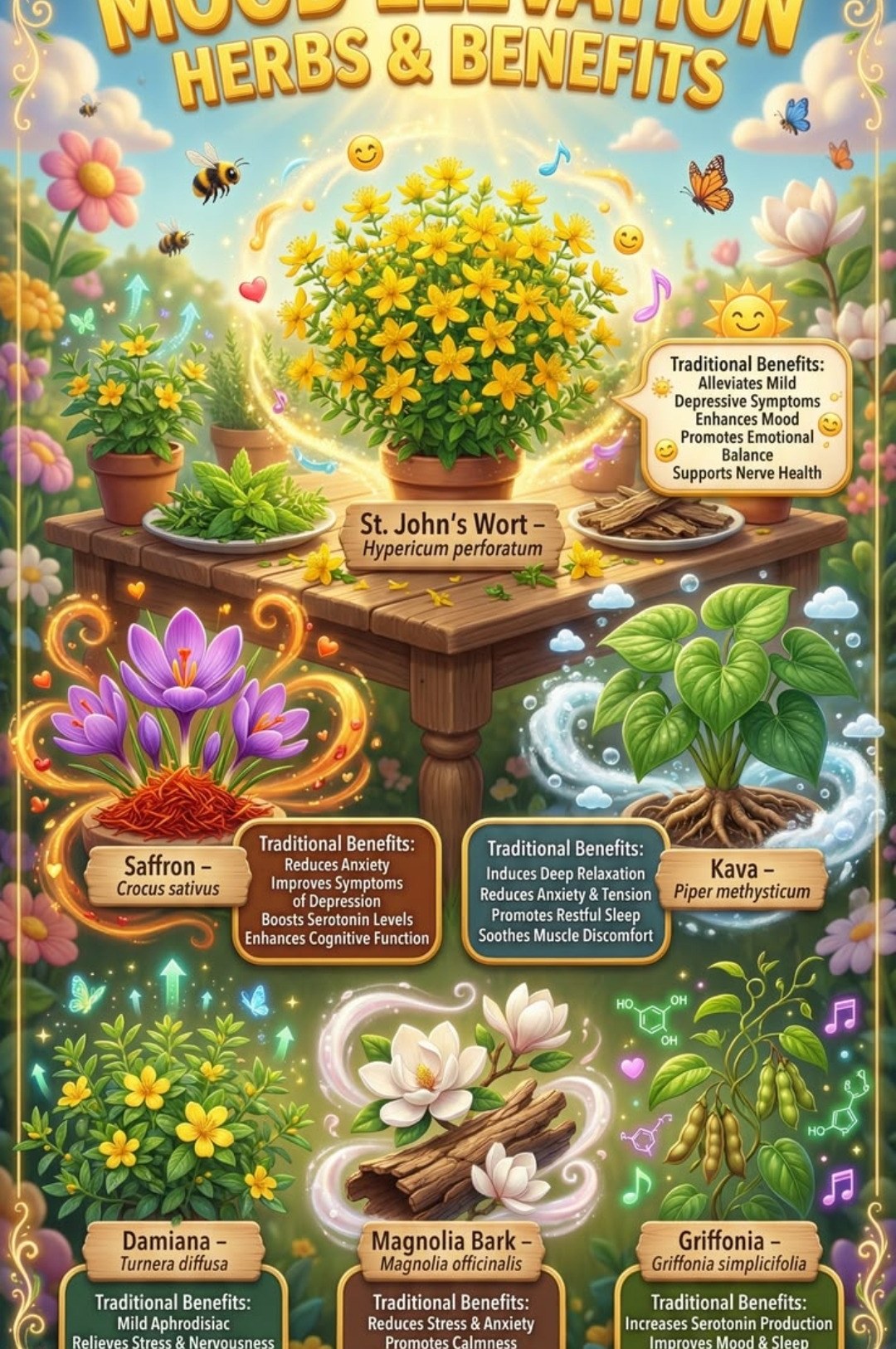
Where Ayurveda gave you the system and the Pantry gave you the ingredients, this is the oldest medicine of all — the plants themselves, and what every culture that has ever needed calm has reached for.

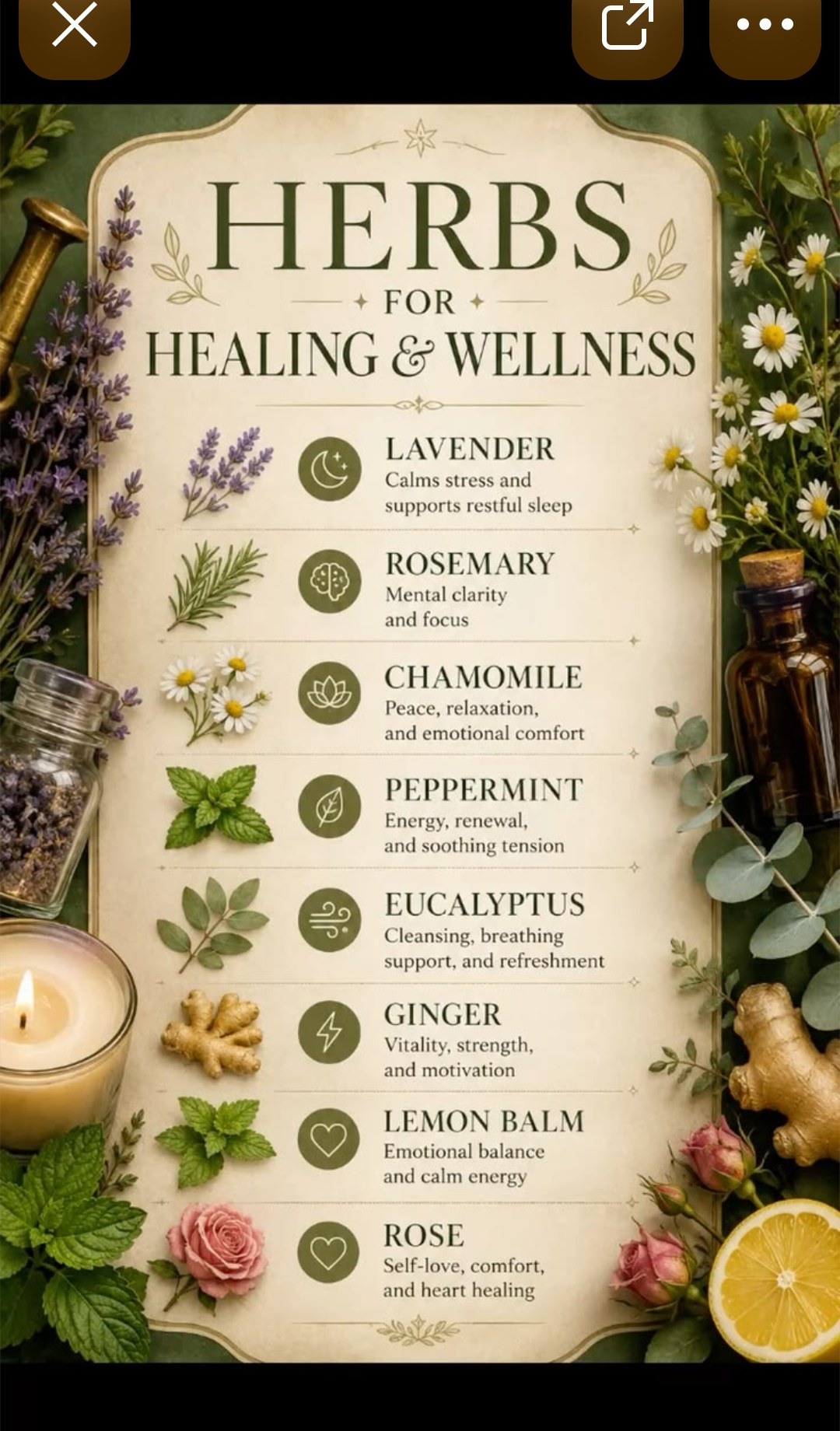
"Before pharmaceuticals existed, these plants lifted the human spirit. Science is now confirming what herbalists knew for centuries — these herbs genuinely work on mood."

"I am calm. I am safe. I release what I cannot control and trust what is unfolding for my highest good. You are stronger than you think. You are enough."
Lavender, Rose, Basil (Tulsi) and Cinnamon — four of the most revered herbs across Ayurvedic, Western and folk medicine traditions. Each carries both a science-backed biochemical profile and a centuries-old spiritual lineage. The two are not in conflict. They describe the same plant from different angles.

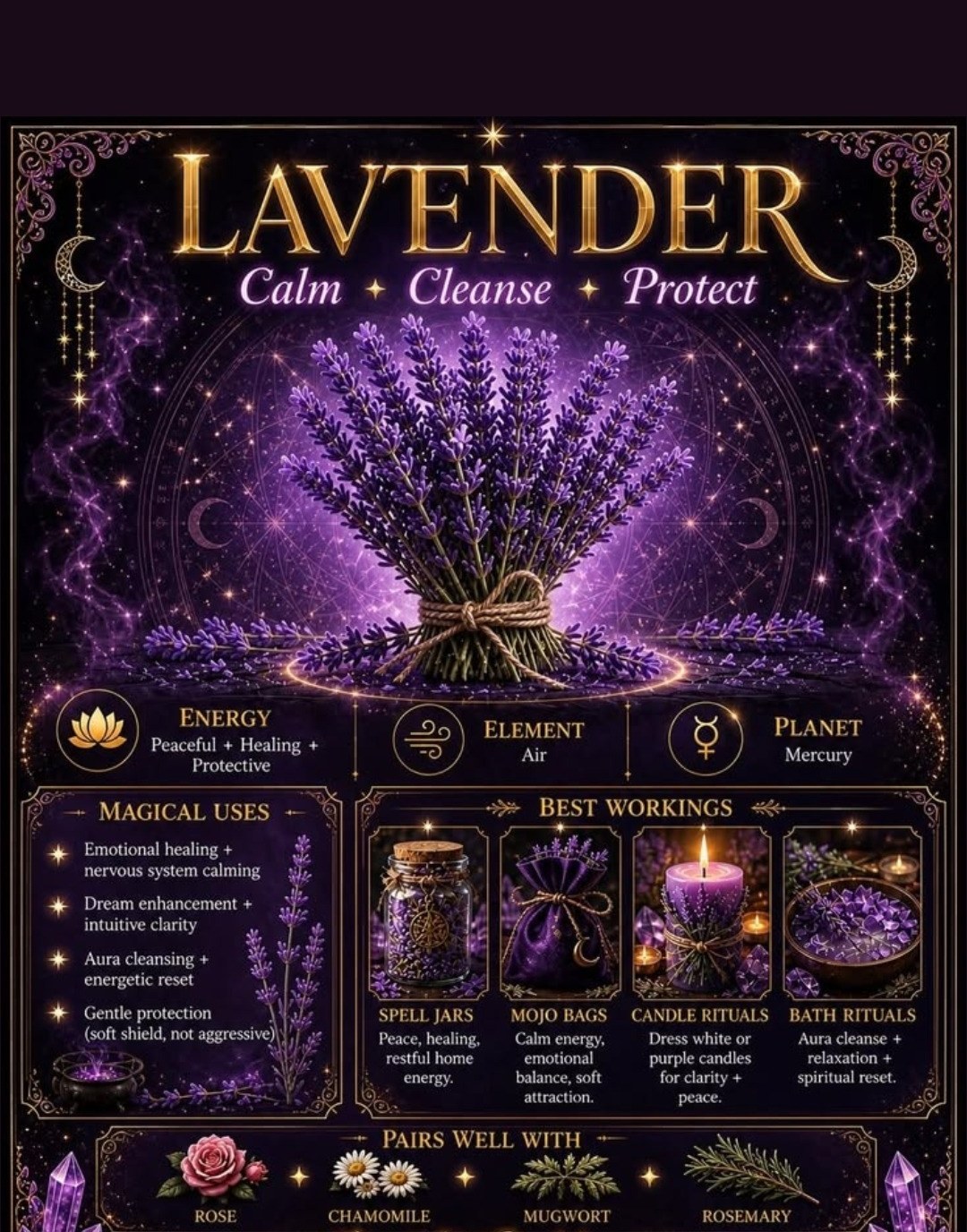
Linalool — lavender's primary compound — reduces cortisol and activates the parasympathetic nervous system. Element: Air. Planet: Mercury. Used in Ayurvedic practice for emotional healing, nervous system calming, dream enhancement and aura cleansing.
Best for: Sleep, anxiety, emotional healing, aura cleansing, dream clarity. Pairs with rose, chamomile, mugwort and rosemary.

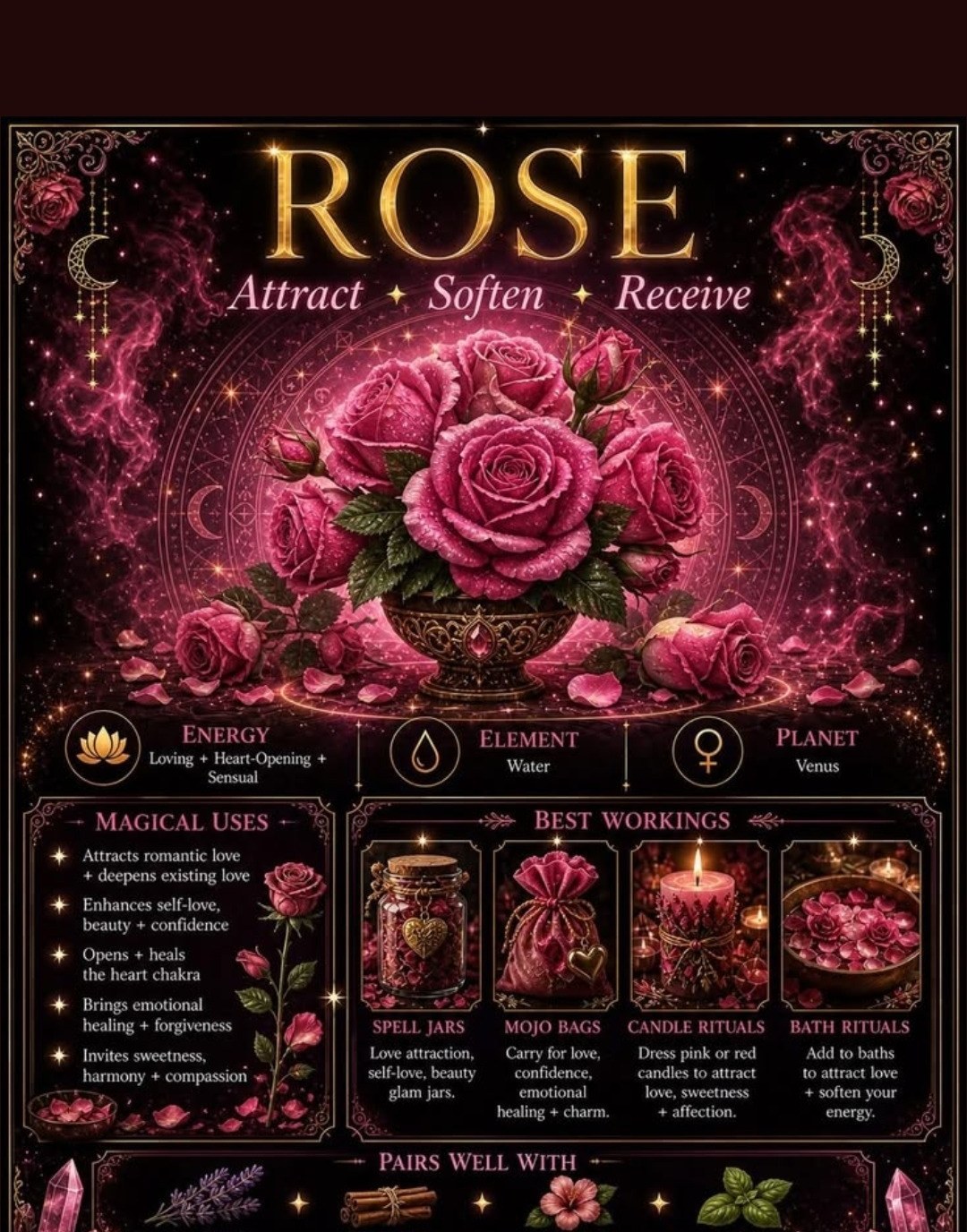
Used in Ayurveda to treat cold, cough, fever, skin disease and general debility. Loving, heart-opening, sensual. Element: Water. Planet: Venus. Opens and heals the heart chakra, attracts love, enhances self-love and emotional forgiveness.
Best for: Heart chakra healing, emotional release, forgiveness, attracting love, compassion. Pairs with lavender, cinnamon, hibiscus and basil.

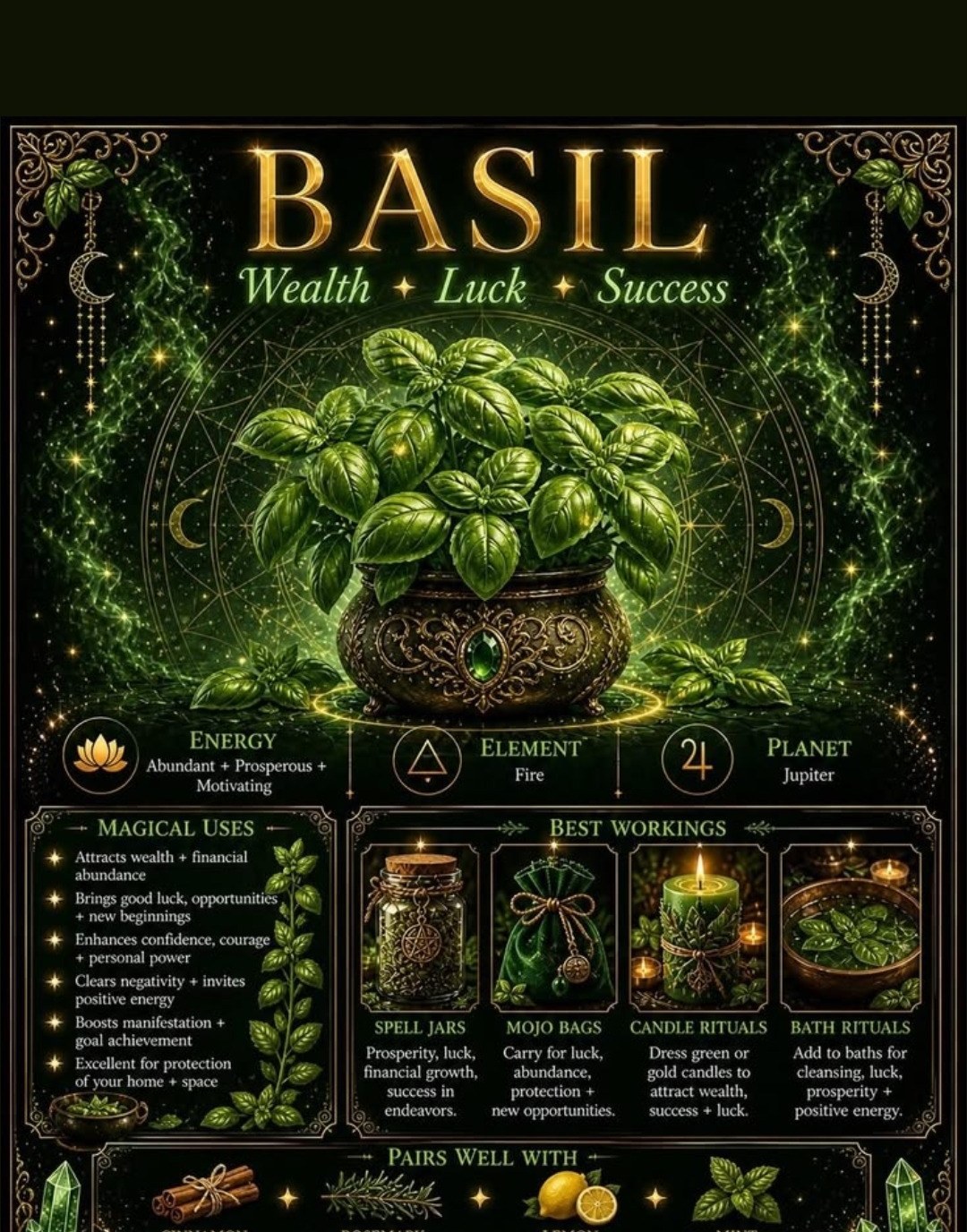
In Ayurveda, Tulsi (Holy Basil) is used to treat vomiting, fever, cough, asthma and skin disease. A powerful adaptogen that reduces cortisol and improves memory. Element: Fire. Planet: Jupiter. Attracts abundance, confidence and new beginnings.
Best for: Stress, immunity, manifestation, prosperity. Add to cooking daily. Pairs with cinnamon, rosemary, lemon and mint.

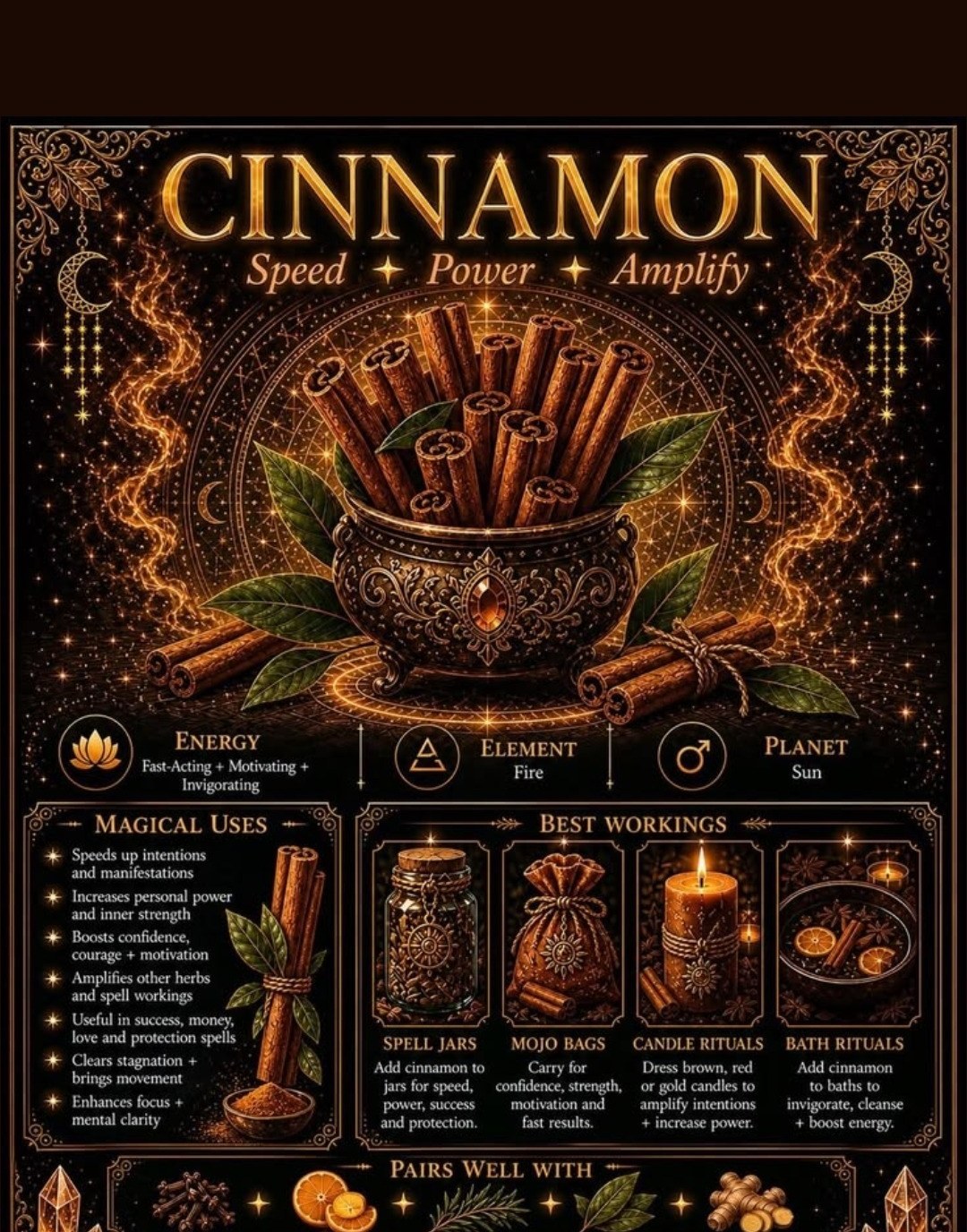
One of the most studied spices in clinical research. Improves insulin sensitivity, lowers blood sugar levels and protects against type 2 diabetes. May protect against heart disease by improving HDL cholesterol. Antimicrobial. Element: Fire. Planet: Sun.
Best for: Blood sugar, digestion, energy, amplifying intentions. Pairs with cloves, orange, rosemary, bay leaf and ginger.

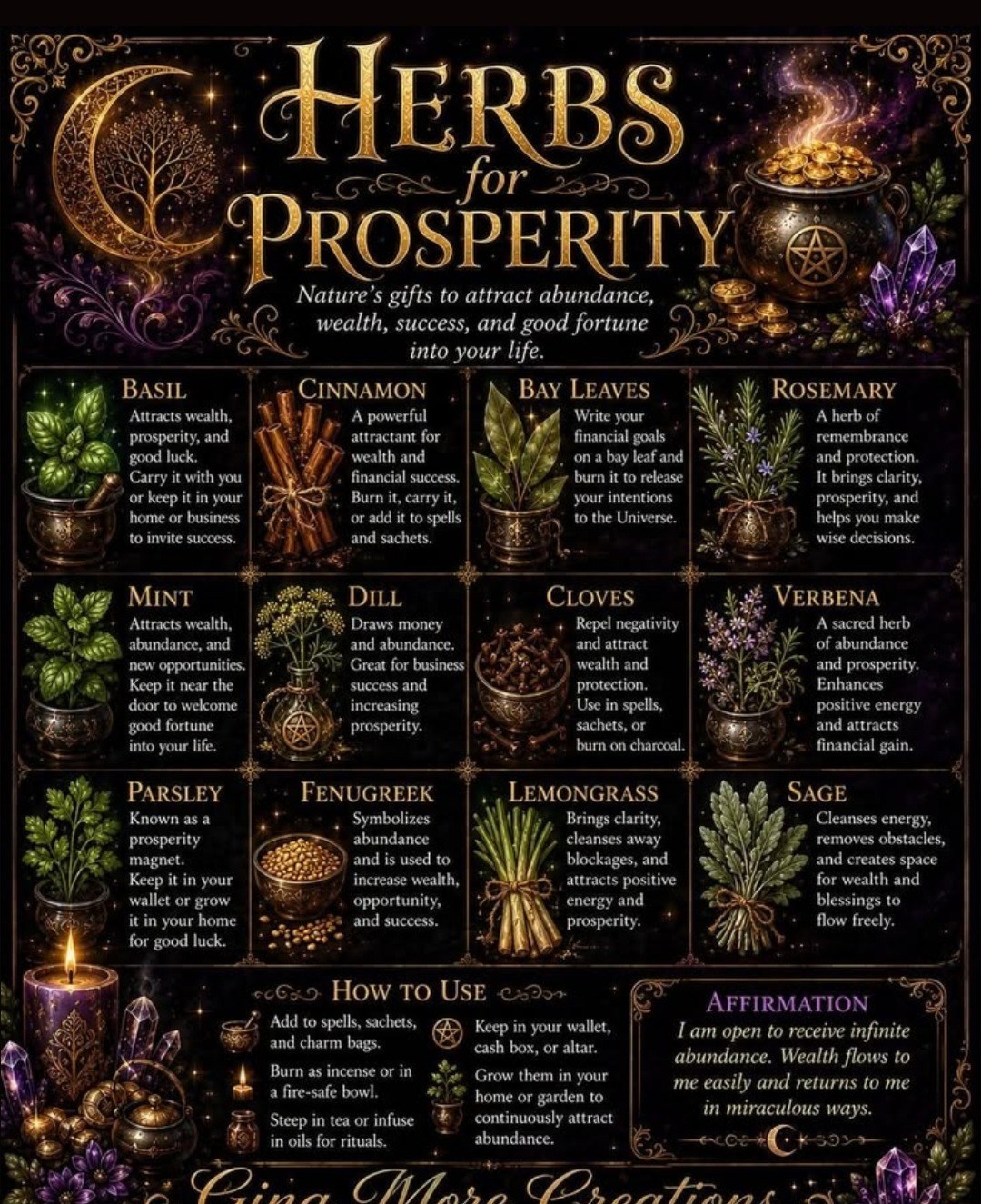
"Nature's gifts to attract abundance, wealth, success and good fortune. These are not superstitions — they are centuries of encoded botanical wisdom."

"Lavender, rosemary, chamomile, rose — the same plants appear in both Ayurveda and western herbalism. But the tradition changes the application, the dosage and the intention."
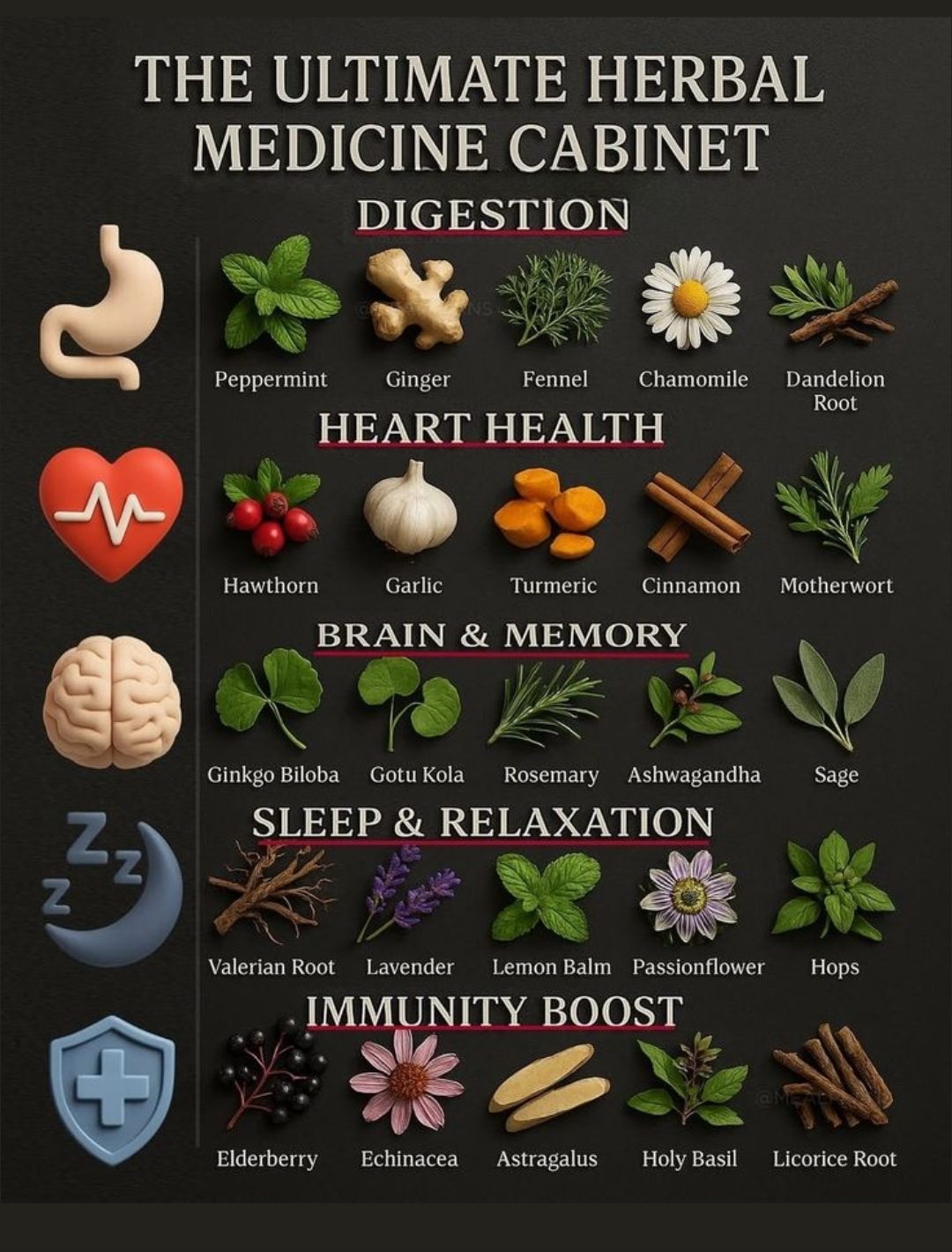
Nature has built a remedy for nearly everything. These five categories map to the most common reasons people reach for plants — digestion, heart, brain, sleep and immunity.

"Nature has built a remedy for nearly everything — peppermint for the gut, hawthorn for the heart, valerian for sleep. The skill is simply knowing which to reach for."
Spiritual teas, lavender, jasmine, green tea reset, turmeric golden drink, 12 teas as medicine, deep sleep blends and the Japanese tea ritual — all in one dedicated space.
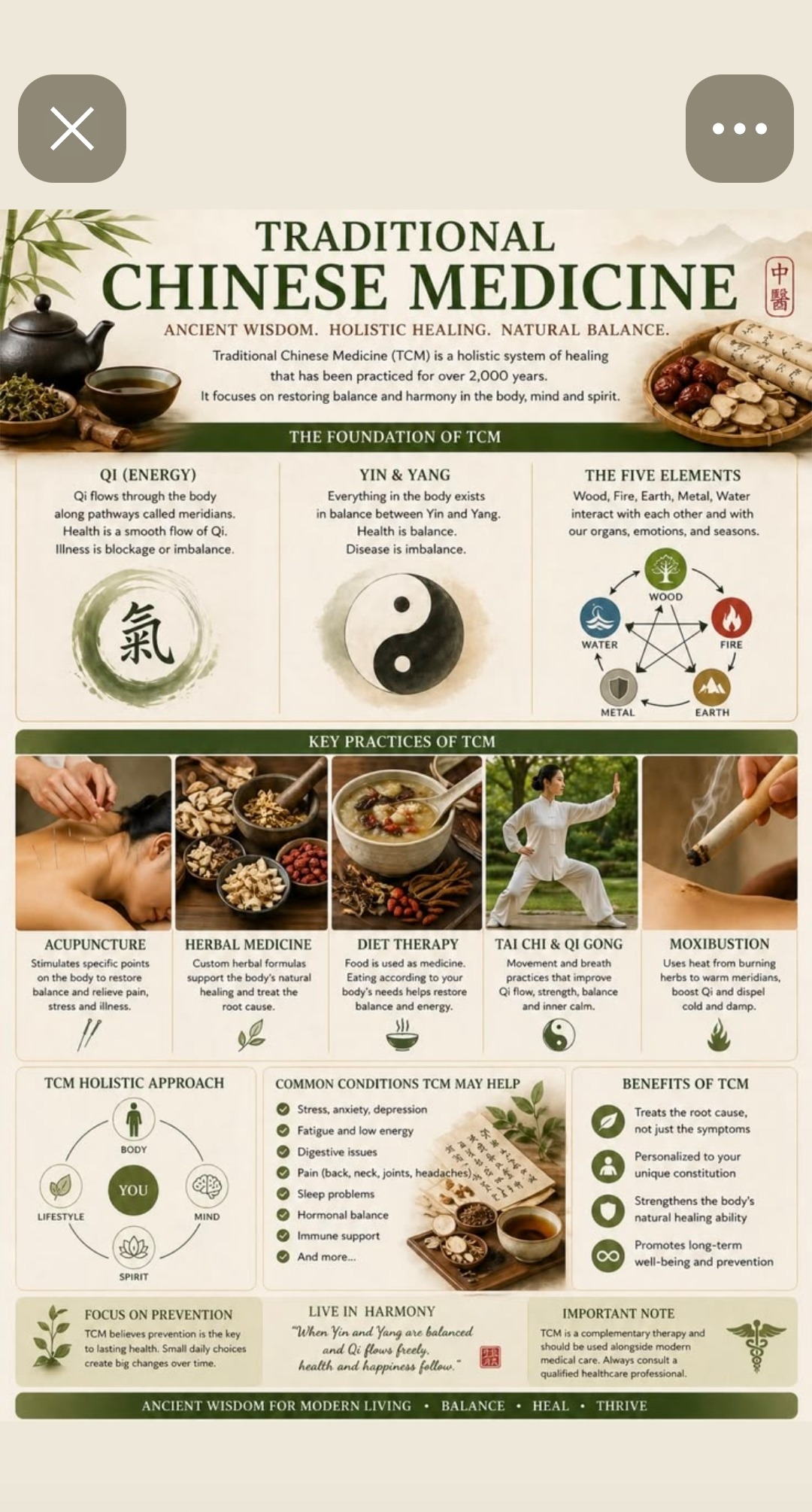
🍵 Enter the Healing Teas Journal →Ayurveda has its own dedicated home on this site — but it isn't the only system built on balance. Traditional Chinese Medicine offers a parallel lens, over 2,000 years in continuous practice.

"When Yin and Yang are balanced, and Qi flows freely, health and happiness follow." A holistic system focused on restoring balance in body, mind and spirit.
TCM is most often reached for to support stress, fatigue, digestion, pain and sleep — treating what's understood to be the root cause, not only the symptom.
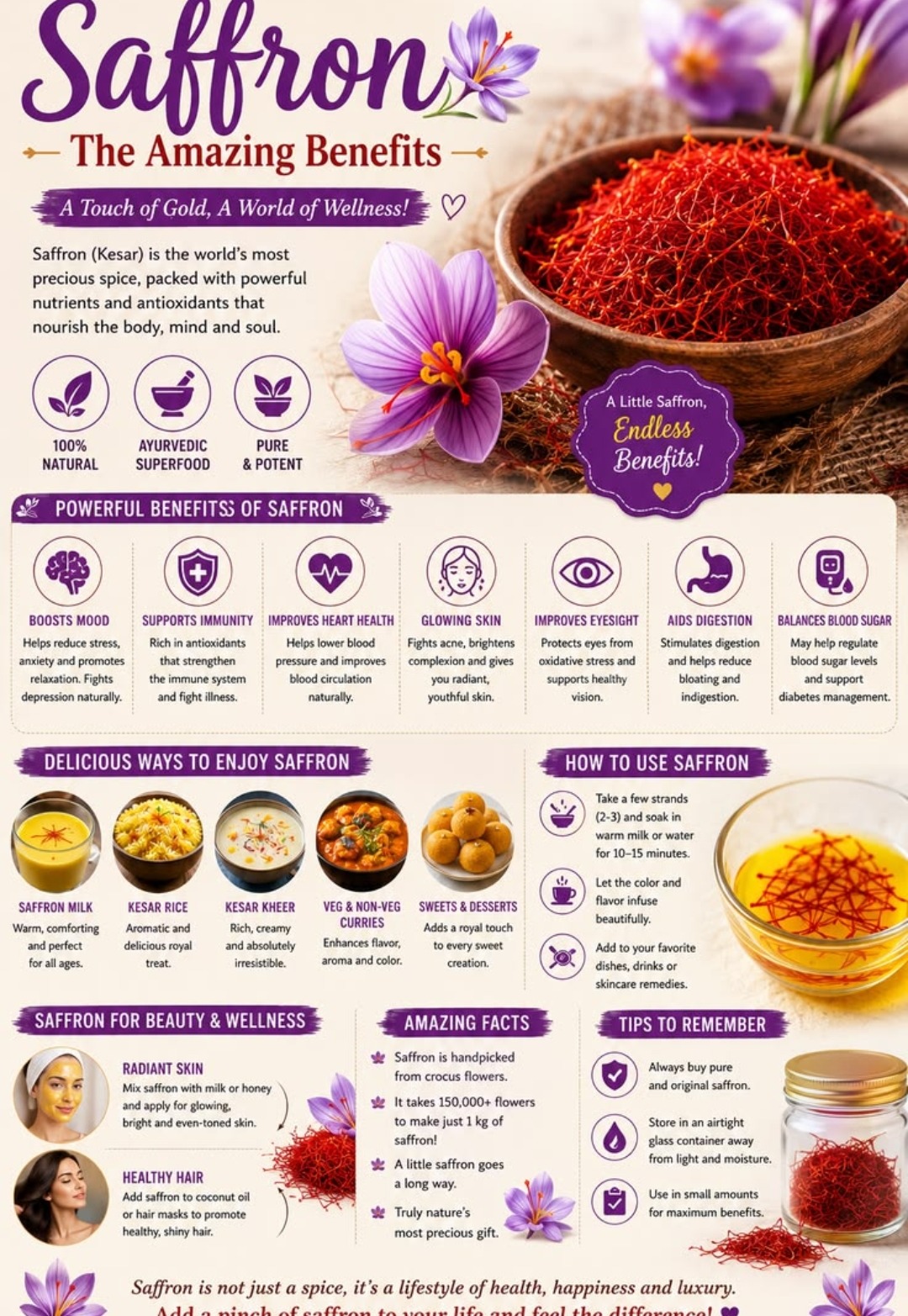
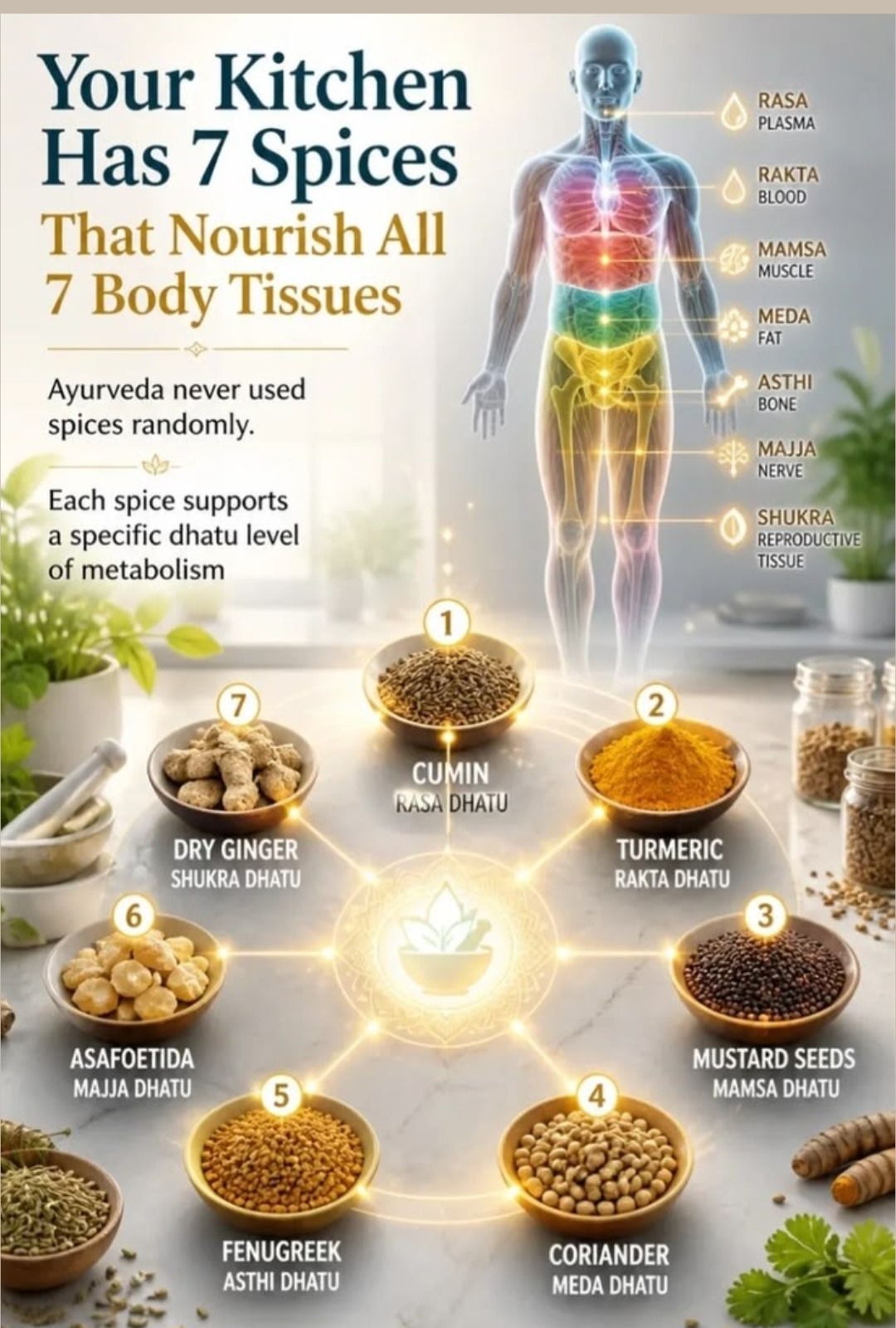
Two of the most powerful spice traditions — Ayurveda's kitchen pharmacy and the world's most precious healing spice.